
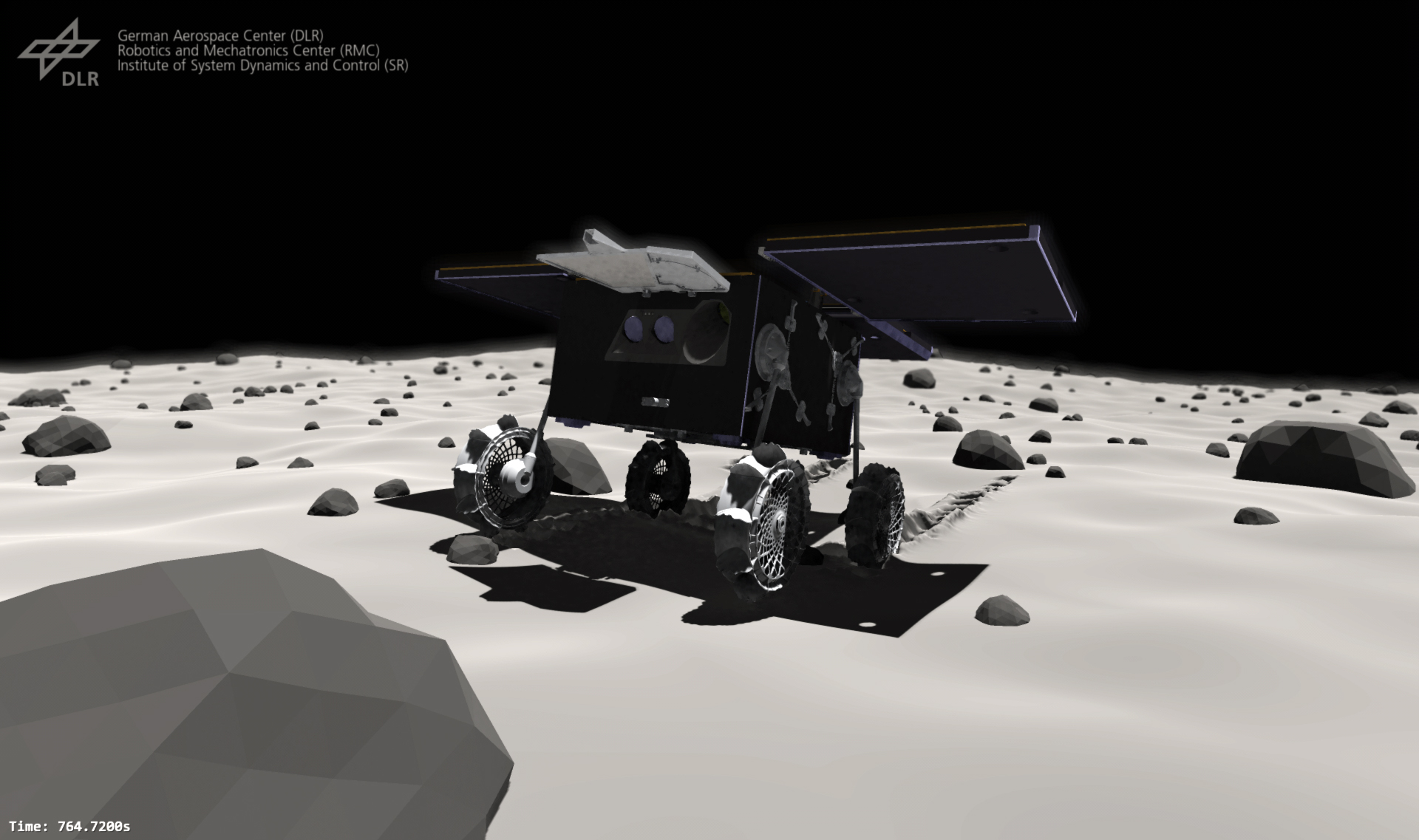
A spacecraft is set to launch from Japan. It will target Mars’ moon Phobos for the first time. The mission will return a sample to Earth for lab analysis. Source: bbc.co.uk.
What Happened: The MMX Mission
The MMX mission, led by Japan’s space agency, launches from Tanegashima. It will travel through the inner Solar System. It arrives at Phobos in August 2027.
First, it studies Deimos. Then it focuses on Phobos. A small rover will land to scout a safe site. This is the first attempt to land on such a small moon.
Phobos has weak gravity. It lacks strong pull to hold a rover. The surface is irregular. It looks like a space potato. Landing is difficult and risky.
How the Sample Will Be Collected
After landing, the spacecraft extends a robotic arm. It uses two samplers to collect surface dust. The tools use mechanical and thermal methods. Contamination is kept to a minimum.
The dust is sealed in a capsule. The capsule returns to Earth. It lands in the Woomera Desert, South Australia. The site is remote and well-prepared for such missions.
Why This Matters: Solving a Longstanding Mystery
Scientists have long debated how Mars’ moons formed. Two theories exist. One says a space rock hit Mars early. Debris formed Phobos and Deimos.
The other says the moons are captured asteroids. They came from the outer Solar System. Mars pulled them in.
By studying the sample’s chemistry and minerals, researchers can tell which theory is correct. Prof Sara Russell says the results will be clear. ‘One hypothesis will produce distinct results. It should be obvious whether it’s from an impact or a captured asteroid.’
A Possible Bonus: Martian Dust in the Sample
Phobos orbits close to Mars. When Mars is hit by meteorites, dust is ejected. Some grains may stick to Phobos. The sample could contain actual Martian dust.
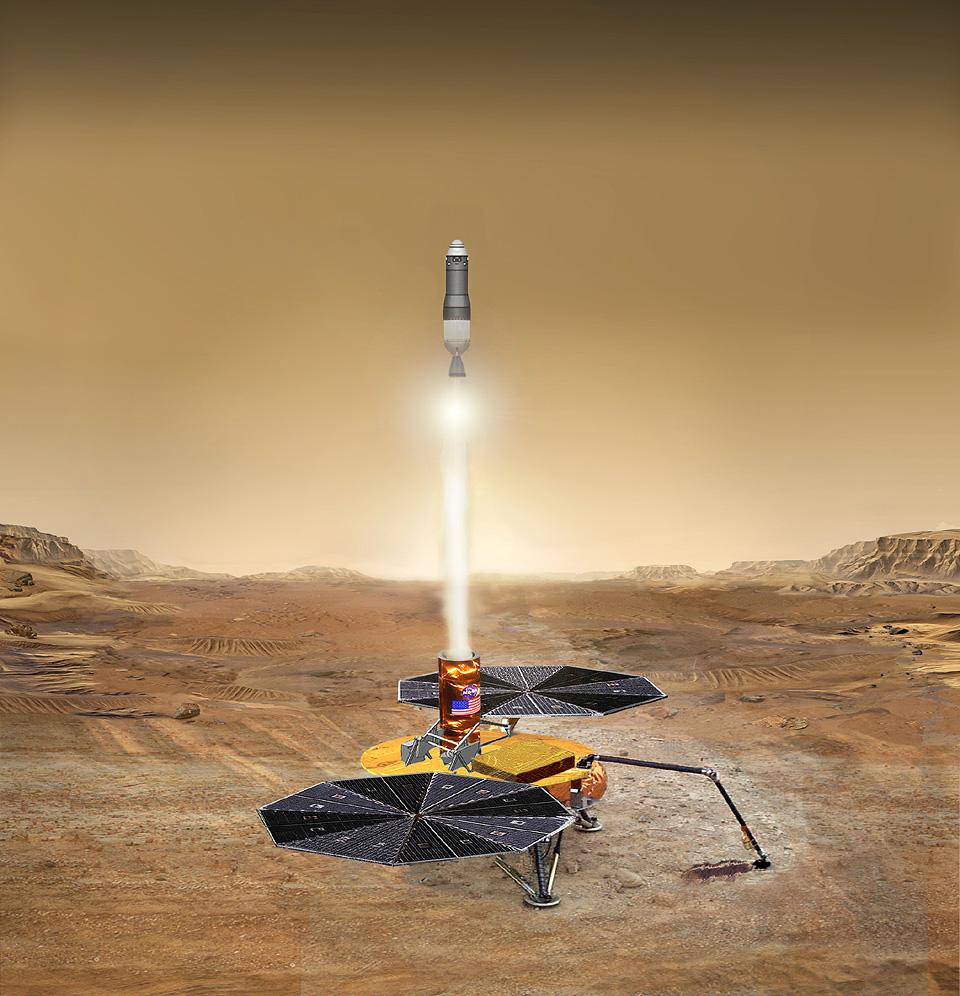
Dr Chrysa Avdellidou says even tiny grains matter. ‘You don’t need kilos of material. Individual grains can reveal key planetary history.’
Background: The Challenge of Small Moons
Phobos and Deimos are the smallest moons in the inner Solar System. Both are irregular. They are only 20km and 10km across. They lack strong gravity.
Any rover must be designed carefully. It must stay stable. The mission uses advanced systems to prevent tumbling or failure during descent.
Why This Mission Stands Out
NASA’s Perseverance rover has collected samples on Mars since 2021. But a planned return mission was cancelled. Funding stopped in the U.S. Congress.
China plans a Mars sample return in 2028. This could allow comparison with Japan’s mission. It offers a broader scientific view.
Currently, Earth has only Martian meteorites. These came from Mars. They were blasted by asteroids. They fell to Earth.
These meteorites are rare. They were exposed to air, soil, and water. They are contaminated. The MMX sample will be far cleaner and more valuable.
Limitations and Open Questions
Phobos’ low gravity and rough terrain make landing risky. The rover might fail. There’s no guarantee Martian dust will be in the sample.
But the mission’s value lies in quality, not quantity. The sample will provide key data on how moons form in the inner Solar System.
Source: BBC News — Original article
Sources & further reading
Featured image: The MMX rover moving on Phobos.jpg by DLR, CC BY 3.0 de, via Wikimedia Commons. Image source · License
