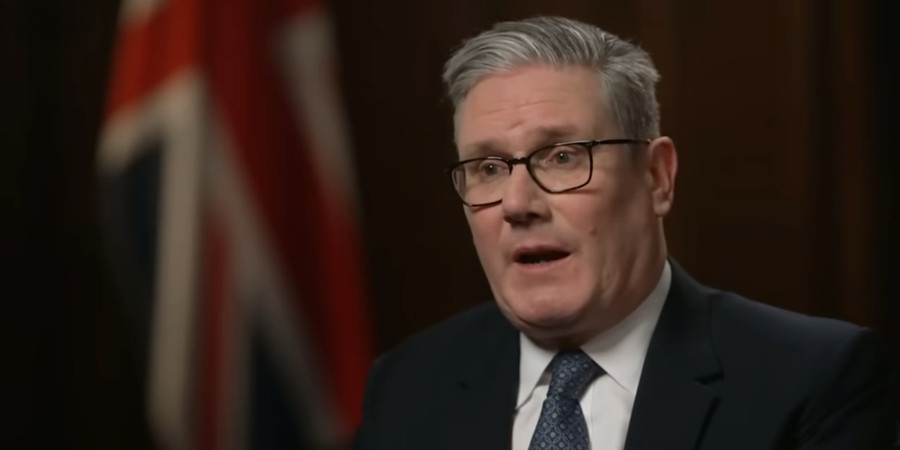
Sir Keir Starmer used one of his final days as prime minister to unveil sweeping new restrictions on how 16 and 17-year-olds use social media, before leaving office as the most unpopular British prime minister on record.
The measures, announced Tuesday by Technology Secretary Liz Kendall, will see overnight social media curfews switched on by default between midnight and 6 a.m. for older teenagers. Platforms will also be required to disable algorithm-driven “For You” feeds, switch off infinite scrolling and autoplay features by default, and introduce mandatory breaks for under-18s using AI chatbots.
The announcement builds on a landmark decision by Starmer last month to ban social media platforms from offering services to children under 16, legislation the government says is expected to take effect in spring 2027.
“Our consultation provided a clear message from parents and teenagers alike – even as young people gain greater independence at 16, they should still be protected from the most addictive online features that can have a harmful impact on their well being,” Kendall said as she announced the latest restrictions.
The package now passes to incoming Prime Minister Andy Burnham, who inherits not only an incredibly unpopular Labour government but the challenge of making the social media ban itself work. Ministers have yet to fully explain how platforms will enforce overnight curfews, prevent teenagers from bypassing restrictions, or implement the changes consistently across competing apps and devices.
The proposals have also reignited debate on X, which itself has been heavily censored in the UK under Labour’s recent suppression of free speech laws. “This is just one step in these governments’ plans to strip away all our privacy so they can endlessly spy on us and control us,” one user commented.
“Sixteen and seventeen-year-olds may vote, says Starmer, but the state must decide their bedtimes,” Conservative Party member Rhydian Lloyd-Francis said. Starmer leaves office on Wednesday after announcing the social media laws, which he labelled “once-in-a-generation”.