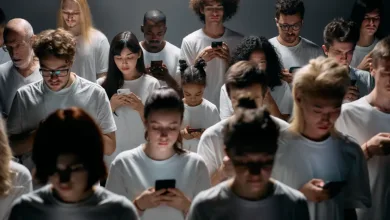
What happens in a grocery store might not seem dramatic—but it often reveals something deeper about how we treat one another.
Kindness in the Checkout Line
People move through grocery stores in a shared rhythm. They pass aisles, select items, and eventually reach the checkout line. The space is neutral, structured, and familiar.
Yet in that routine, small acts of kindness emerge. A shopper notices someone behind them with only a few items and offers to let them go ahead. Another sees a basket left behind and gently helps retrieve it.
These moments are not grand. They don’t require effort beyond a glance or a gesture. But they matter. They show that people still recognize each other as individuals, not just as customers or strangers.
One Incident That Stands Out
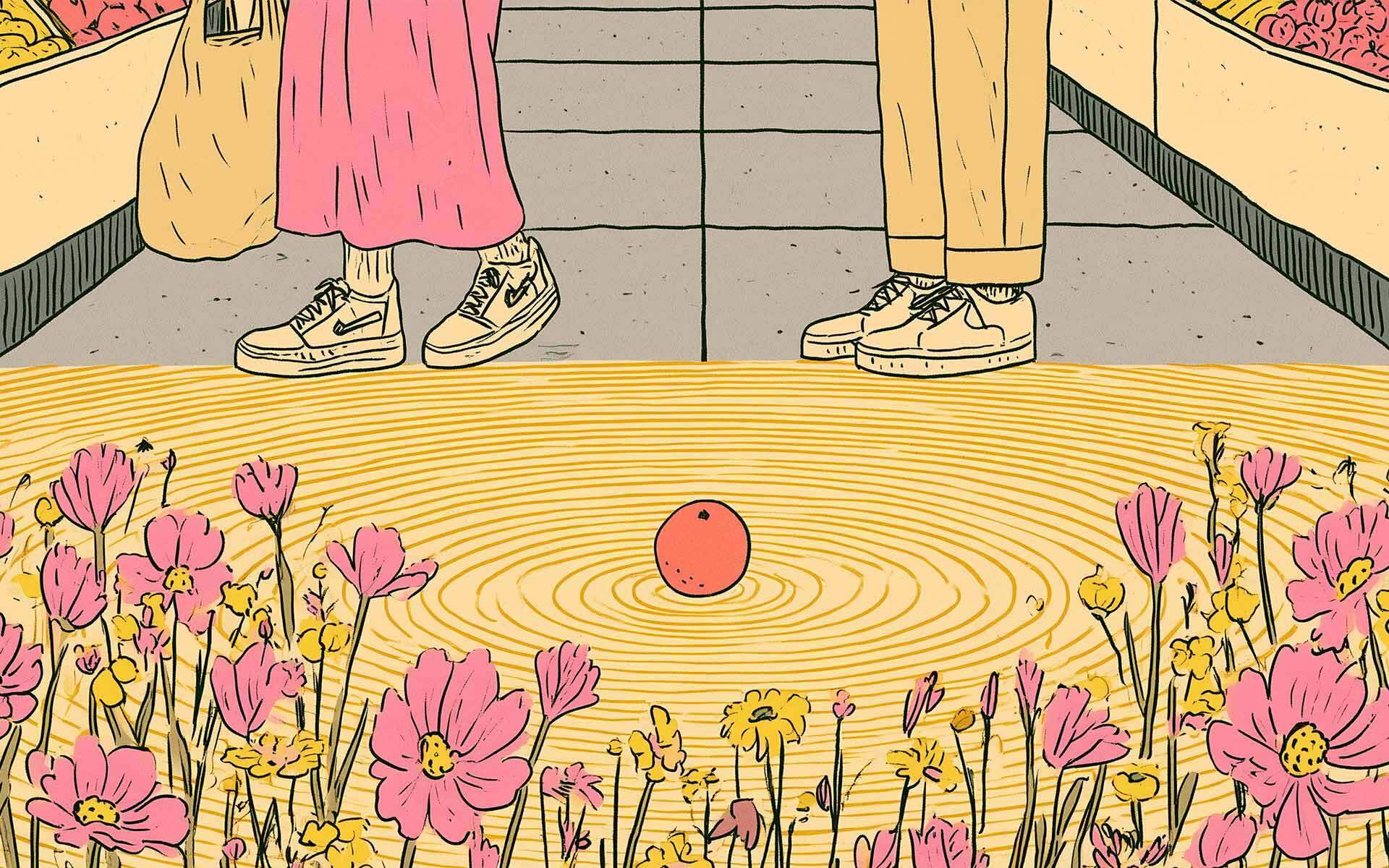
One such moment is described by contributor John Ptacek. He recounts a time when a shopper accidentally knocked over a display of oranges. The fruit tumbled down a steep shelf, creating a small avalanche.
Instead of reacting with frustration, several people stepped in. They reached for the fallen fruit, gathered it, and carefully returned it to the display. One person even laughed, saying, “Well, that was a bit of a mess, but at least we all saw it together.”
That moment, Ptacek writes, wasn’t about fixing a problem. It was about sharing a moment of vulnerability. In a world where division often feels inevitable, the store became a place where people paused, noticed, and responded.
Why This Matters in Divisive Times
Today’s political climate can make public spaces feel tense. People may avoid eye contact, speak in guarded tones, or act as if they are alone in their beliefs.
But in a grocery store, everyone is navigating the same space. They all need to pay, they all carry bags, they all move through the same aisles. This shared experience creates a subtle sense of commonality.
When someone offers to let another go ahead, or helps pick up a fallen item, they are not just being polite. They are affirming that others exist—outside of political labels, outside of ideology.
These small gestures don’t change the world. But they help maintain a sense of connection. In a time when many feel isolated, such acts remind us that compassion is still possible.
Limitations and Uncertainties
Not all interactions in stores are kind. Some people may feel rushed, stressed, or indifferent. Others may not notice or respond to gestures.
There is no data on how often these acts occur. The source does not quantify them or track them over time. The observations are anecdotal, based on personal experience and reflection.
Still, the presence of such moments suggests a resilience in human behavior. Even in daily routines, people can choose kindness.
What to Watch For
As society continues to navigate division, public spaces like grocery stores may remain important sites of quiet connection.
Future research could explore how often such acts occur, who is more likely to perform them, and whether they vary by location or demographic.
For now, the story of the grocery store offers a quiet lesson: we are capable of kindness, even in the smallest of moments.
John Ptacek’s reflection originally appeared on Mindful.org.
Sources & further reading
Featured image: An orange rests in a golden ripple amid flowers at a market stall, a moment of kindness in public as two people stand nearby.. Via original publisher. Image source