Michael Giles, co-founder of the progressive rock band King Crimson, has died at the age of 84. The news was confirmed by DGM, the band’s record label, in a blog post released Monday. Source: pitchfork.com.
Early Collaboration and the Birth of King Crimson
Michael Giles first worked with Robert Fripp in 1967, forming the psych-pop trio Giles, Giles, and Fripp with his brother Peter. The group released one album, The Cheerful Insanity of Giles, Giles and Fripp, in 1968.
After Peter left that same year to become a solicitor’s clerk, Michael and Robert Fripp continued their musical partnership. By 1969, they co-founded King Crimson with bassist Greg Lake and multi-instrumentalist Ian McDonald.
The band quickly gained attention, opening for the Rolling Stones within months of forming. Their debut album, In the Court of the Crimson King, released in 1969, became a landmark in progressive rock.
Legacy of In the Court of the Crimson King
Writing for Pitchfork in 2019, Ryan Reed called the album ‘a vast fault line in the geology of rock music.’ It combined influences from the Moody Blues’ symphonic style, Brian Wilson’s production, and Pink Floyd’s psychedelic work into a unified, groundbreaking sound.
Reed described the record as ‘wielding a sorcery unduplicated in the five decades since,’ making it a definitive monument in progressive rock history. The album remains a foundational reference point for the genre.
Later Work and Contributions
Michael Giles left King Crimson during a 1969 U.S. tour. He returned as a session drummer for the band’s 1970 album, In the Wake of Poseidon.
Over the years, he played on recordings by Steve Winwood, Bryan Ferry, Yvonne Elliman, and Neil Sedaka, among others.
He recorded a solo album, Progress, in 1978. It was not released until 2002. In 1995, he released Ghost Dance, a soundtrack to the film of the same name, recorded with Jamie Muir and David Cunningham.
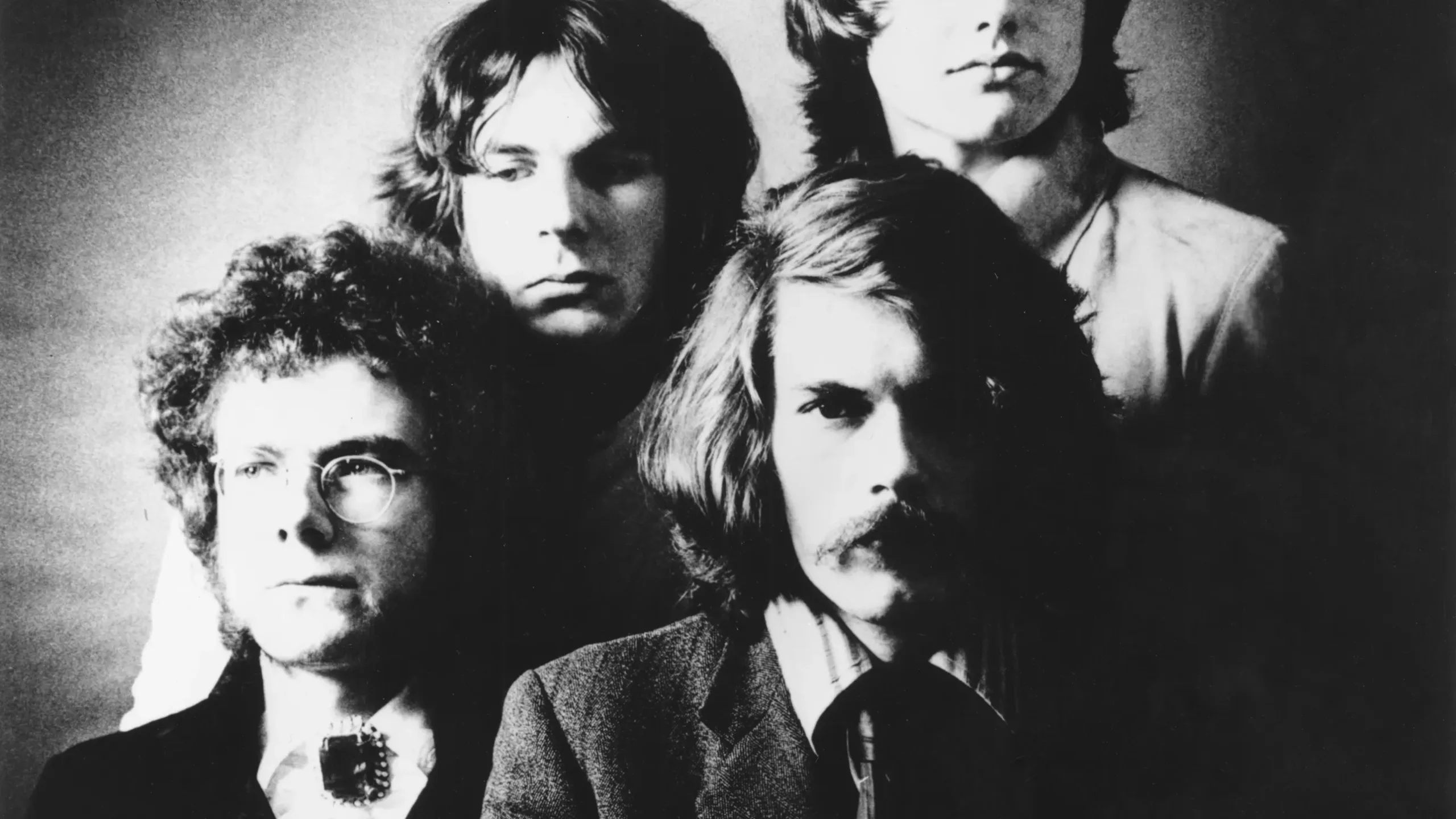
In 2002, Giles co-founded the 21st Century Schizoid Band, a group made of former King Crimson members. This extended his influence in progressive music.
Recognition and Impact
DGM’s statement said Giles was instrumental in establishing King Crimson as one of the most innovative and influential bands in progressive music history.
The label credited his ‘extraordinary rhythmic imagination, musical sensitivity, and inventive drumming’ as key to the band’s pioneering sound.
No cause of death was disclosed. Pitchfork has reached out to DGM for a statement, which has not yet been provided.
Why This Matters
Giles helped lay the foundation for progressive rock’s most enduring styles. His drumming shaped a genre that values complexity, originality, and technical depth.
The debut album, In the Court of the Crimson King, stands as a benchmark. It shows how diverse musical traditions can be fused into a powerful, cohesive statement.
His work as both a band member and session musician reflects a lifelong commitment to creative exploration and innovation.
While King Crimson’s early years were defined by experimentation, Giles’ role in both formation and evolution highlights the centrality of rhythm in progressive music.
His legacy extends beyond performance—it lies in the influence he gave to a genre that continues to inspire musicians across generations.
Sources & further reading
Featured image: original publisher image. Via original publisher. Image source