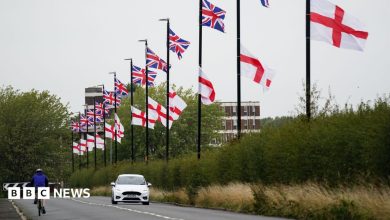
David Lammy has urged Andy Burnham to propose a UK return to the European Union at the next general election. Source: bbc.co.uk.
The former deputy prime minister made the call during a BBC Radio 4 interview. It comes as Burnham prepares to present a new vision for the UK’s long-term relationship with Europe.
What Happened
Lammy called for Burnham to include a pledge to rejoin the EU in Labour’s next election manifesto. He said such a move should be followed by a renegotiation and a public referendum on the final deal.
Burnham will attend a Brussels summit this Friday. Both sides hope to advance agreements on food, youth visas, and carbon trading.
Key Facts
- Lammy said rejoining the EU’s customs union would not deliver enough economic growth. It would not meet long-term industrial needs.
- He dismissed a return to the single market from outside as ‘not a runner’. It would require applying EU laws without influence over their content.
- The UK could rejoin without adopting the euro or joining the Schengen zone. This would keep control over financial and immigration systems.
- The UK’s current EU budget rebate—established in the 1980s—might become less generous. A new financial formula would be up for negotiation.
- Peter Kyle, a Labour cabinet minister, says a ‘complex halfway option’ is the worst possible path. Such a compromise could weaken economic stability.
- Lammy believes Burnham, as a former mayor of Greater Manchester, can connect with working-class communities affected by Brexit.
Background: Labour’s Position on Brexit
Labour’s 2024 manifesto said the party would ‘make Brexit work’. It ruled out rejoining the customs union or single market.
Any shift from these positions would create a major divide with the Conservatives and Reform UK. It could split the party’s base.
Lammy said he tried to persuade Sir Keir Starmer to abandon his red lines on Europe. That effort faced cabinet resistance. It shows deep division within Labour.
Why It Matters
This shift signals Labour is moving beyond managing Brexit’s effects. It now considers a return under new conditions.
It could shape public perception and policy direction, especially in areas with economic hardship.
It raises questions about the party’s commitment to the 2016 referendum result. Some see it as a betrayal. Others see it as a necessary update.
Limitations and Open Questions
There is no timeline for a return. A new deal would need to be negotiated. No current framework exists.
Public opinion remains divided. Many still support Brexit, especially in areas with strong local backing.
Labour has not committed to a formal path. Support for rejoining is growing but remains a minority view.
What to Watch Next
Attendances at the Brussels summit may show EU openness to new talks. Especially on carbon trading and food security.
Any public statements from Burnham or Labour leadership will be closely watched. They may signal a broader policy shift.
Media coverage of the summit may highlight areas of agreement or disagreement. This could show the feasibility of future talks.
Labour’s next manifesto may reflect a more nuanced stance on Europe. It depends on internal developments and summit outcomes.
The proposal has been welcomed by some in Labour. It has drawn criticism from others who see it as a betrayal of the 2016 result.
It remains a sensitive issue with wide political and economic implications.
For now, the UK’s future relationship with Europe is still open. No official commitment to rejoining exists.
Source: BBC News, https://www.bbc.co.uk/news/articles/cm9q8jx05q3go?at_medium=RSS&at_campaign=rss
Sources & further reading
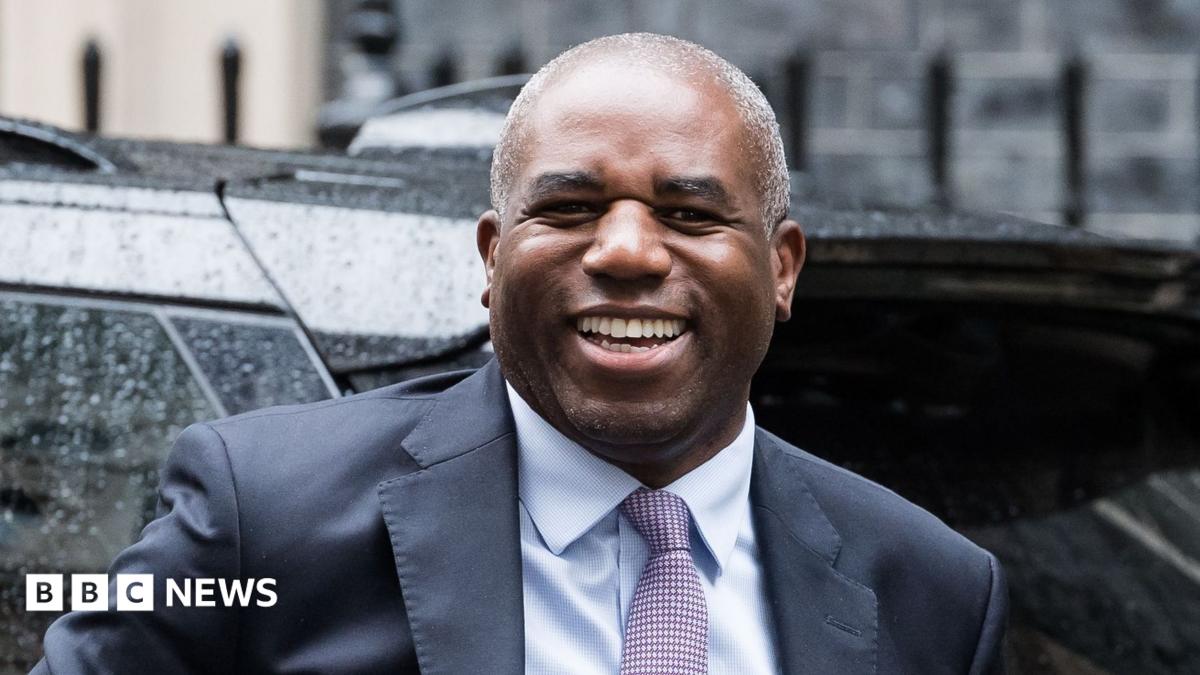
Featured image: David Lammy. Via original publisher. Image source