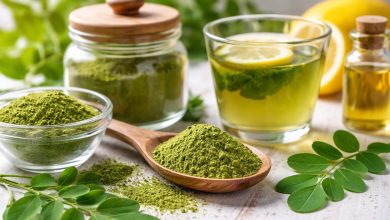
“Lemon and soda” usually means lemon + baking soda (bicarbonate of soda) mixed in water. People love it because it feels like a simple wellness ritual: quick, cheap, and refreshing. But it’s also one of the most misunderstood home remedies online.
In this guide, you’ll learn:
- What lemon + baking soda may help with
- What it cannot do (common myths)
- Safe ways to use it for daily habits
- Who should avoid it and why
- Better alternatives if your goal is digestion, weight loss, or energy
Important: This article is educational and not medical advice.
What Lemon + Baking Soda Actually Is
- Lemon juice is acidic (citric acid).
- Baking soda is alkaline (sodium bicarbonate).
When mixed, they react and fizz, producing carbon dioxide (bubbles) and changing the acidity of the drink. This is why it can feel soothing for some people—especially if they struggle with occasional heartburn.
7 Realistic Benefits (When Used Correctly)
1) Helps some people with occasional heartburn (short-term)
Baking soda can temporarily neutralize stomach acid. That may reduce occasional burning or sour taste.
But: This is not a long-term reflux treatment and can be unsafe if overused.
2) Supports a “morning routine” habit (consistency matters)
The biggest benefit for many people is behavioral:
- Drinking water early
- Starting the day intentionally
- Replacing sugary drinks
If lemon + baking soda helps you stick to hydration, that’s already a win.
3) Encourages hydration (better energy and focus)
Many people simply drink more water when it tastes nicer. Hydration supports:
- concentration
- fewer headaches
- better digestion regularity
- healthier skin appearance
4) Helps reduce sugary drink cravings
If you replace fizzy sodas or sweet coffee drinks with a lemony fizzy water habit, you may reduce:
- sugar intake
- unnecessary calories
- snacking triggers
5) Can freshen breath temporarily
Lemon can improve mouth freshness short term, but there’s a big warning: acid can harm enamel (more below).
6) Useful around the home (cleaning habit bonus)
Many people build habits around it because it’s multi-purpose:
- baking soda for deodorizing
- lemon for scent
- simple “reset routines” for kitchen hygiene
(Just don’t mix it with vinegar in ways that reduce cleaning power—more on that later.)
7) A gentle “reset ritual” after heavy meals
As a ritual, it can feel lighter than coffee or alcohol-based “digestifs.” If it helps you choose water instead, that’s beneficial.
Common Myths You Should Ignore
Myth 1: “It detoxes your liver”
Your liver and kidneys already detox your body. Lemon + baking soda is not a detox cure.
Myth 2: “It melts belly fat”
No drink melts fat. Fat loss comes from overall calorie balance, activity, and sleep.
Myth 3: “It makes your body alkaline so you can’t get sick”
Your body regulates blood pH tightly. Diet changes urine pH more than body pH.
hookup: Safe Ways to Use Lemon + Baking Soda
The safest approach: occasional, small amounts
If you want to try it as a habit, use small quantity and not every day.
Recipe (gentle version)
- 250–300 ml water (room temp)
- Juice from ¼ lemon (or 1–2 teaspoons)
- A pinch of baking soda (start tiny)
- Mix and drink slowly
Best time: after meals if your goal is occasional heartburn relief, or mid-morning as a hydration routine.
5 Safety Rules (Very Important)
1) Protect your teeth
Lemon is acidic. Frequent exposure can wear enamel.
Do this instead:
- Use a straw
- Rinse mouth with plain water after
- Wait 30–60 minutes before brushing
2) Don’t overuse baking soda
Too much can cause:
- nausea
- bloating
- electrolyte imbalance
- increased sodium intake
3) Avoid if you have high blood pressure or sodium restriction
Baking soda contains sodium. If you’re salt-sensitive, avoid regular use.
4) Avoid if you have kidney problems
Kidneys manage electrolyte balance. Baking soda can be risky with kidney conditions.
5) Don’t use as a daily reflux “treatment”
If you have frequent reflux, you need proper evaluation—not a DIY daily neutralizer.
Who Should Avoid Lemon + Baking Soda
Avoid (or ask a clinician first) if you have:
- High blood pressure
- Kidney disease
- Heart failure
- Low potassium history
- Chronic acid reflux / GERD
- Stomach ulcers or gastritis
- Pregnancy (especially if reflux is severe—get proper advice)
- You’re on medicines where sodium/acid-base balance matters (diuretics, certain heart meds)
Better Options Depending on Your Goal
If your goal is digestion
- Lemon water alone (less risk than adding baking soda regularly)
- Ginger tea
- Peppermint tea (avoid if reflux worsens)
If your goal is weight loss
- Water before meals
- Higher protein breakfast
- Daily walking + consistent sleep
If your goal is energy
- Hydration + morning light exposure
- Balanced breakfast (protein + fiber)
- Reduce late caffeine
Quick Habit Plan: 7 Days (Simple and Realistic)
Day 1–2: Replace one sugary drink with lemon water (no baking soda).
Day 3–4: Add a “hydration trigger” (after brushing teeth, drink water).
Day 5: If you still want fizz, try a pinch of baking soda once only.
Day 6–7: Decide what feels best: lemon water, sparkling water with lemon, or no mix.
This way you build the habit without overdoing the baking soda.
FAQ
Can I drink lemon and baking soda every morning?
Not recommended as a daily long-term habit due to teeth enamel risk (lemon) and sodium/electrolyte risk (baking soda).
Is it good for heartburn?
It may help occasionally, but frequent reflux needs proper care. Overusing baking soda can cause rebound issues.
Does it whiten teeth?
Do not use it for whitening. Acid + abrasion can damage enamel and make teeth more sensitive.
Can I use sparkling water instead?
Yes—sparkling water + lemon is often a safer “fizzy” habit than adding baking soda regularly.
Lemon + baking soda can be a useful occasional ritual, especially if it helps you hydrate and replace sugary drinks. But it’s not a detox miracle—and it’s not meant for daily long-term use. Keep the dose small, protect your teeth, and use it strategically.
Safety note: If you have ongoing reflux, high blood pressure, kidney issues, or persistent symptoms, consult a GP/medical professional.
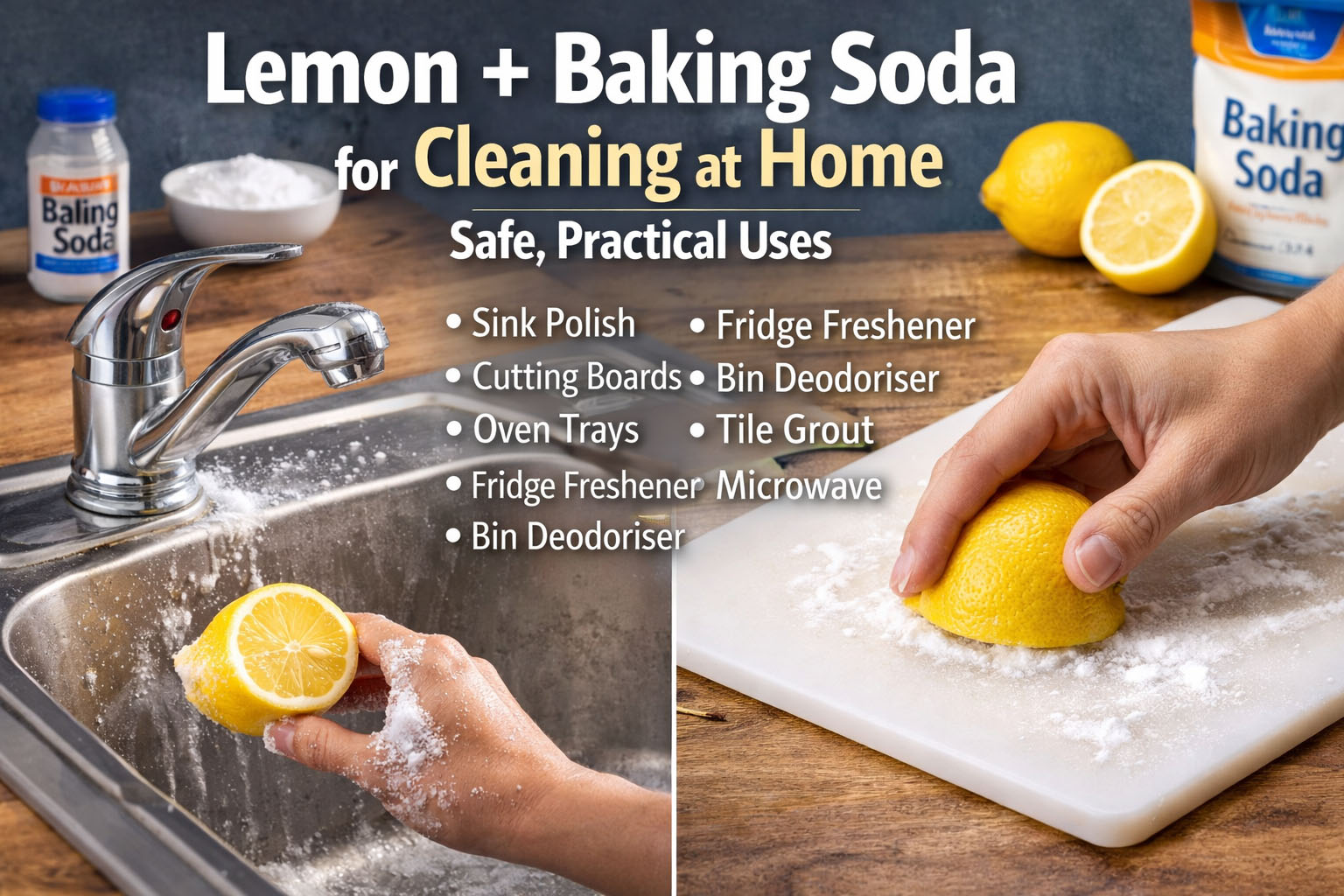
Lemon + Baking Soda for Cleaning at Home (Safe, Practical Uses)
Lemon and baking soda are a simple, low-cost cleaning combo: baking soda lifts grime and neutralizes odours, while lemon cuts grease and leaves a fresh scent. Use them for light-to-medium cleaning jobs—especially in kitchens and bathrooms.
1) Sink and Tap “Polish” (Kitchen or Bathroom)
Best for: dull stainless steel sinks, limescale marks on taps (light), everyday grime.
How:
- Sprinkle baking soda over a damp sink/tap.
- Cut a lemon in half and rub it over the baking soda.
- Leave for 2–5 minutes (don’t leave long on delicate surfaces).
- Scrub gently with a sponge, then rinse and dry with a microfiber cloth.
Tip: Works great for removing onion/garlic smells from hands too—use lightly and rinse well.
2) Cutting Boards (Deodorise + Lift Stains)
Best for: plastic boards, sealed wooden boards (avoid soaking wood).
How:
- Sprinkle baking soda over the board.
- Rub with lemon half or lemon juice + damp sponge.
- Let sit 1–2 minutes, scrub, then rinse and dry.
Note: For hygiene, disinfect separately (hot soapy water; or a food-safe disinfectant) after stain removal.
3) Oven Tray or Baking Sheet Degrease
Best for: baked-on grease, light-to-medium grime.
How:
- Make a paste: baking soda + a little water.
- Spread over the tray, especially burnt areas.
- Add a squeeze of lemon (optional) and scrub after 10–20 minutes.
- Rinse well and wash with dish soap.
Tip: For heavy grime, let the baking soda paste sit longer (30–60 min) before scrubbing.
4) Fridge Freshener + Quick Wipe
Best for: odours and sticky marks.
How:
- Put an open bowl of baking soda in the fridge to absorb smells. Replace monthly.
- For wiping shelves: warm soapy water first, then a light lemon-water wipe for freshness.
5) Bin / Trash Can Deodoriser
Best for: lingering smells.
How:
- Wash bin with soap and water, dry.
- Sprinkle baking soda in the bottom (or inside a small sachet).
- Add a few drops of lemon juice on a cloth to wipe the rim.
6) Tile Grout Touch-Up (Light Cleaning)
Best for: mild grout dullness (not deep mould).
How:
- Make a paste: baking soda + a little water.
- Apply to grout lines.
- Scrub with an old toothbrush.
- Rinse, then wipe with lemon-water for shine.
Important: For actual mould, use a proper mould remover and ventilate well—don’t rely on lemon.
7) Microwave Steam Clean
Best for: greasy splatters and smells.
How:
- Bowl of water + lemon slices (or lemon juice).
- Microwave 2–4 minutes until steamy.
- Leave the door closed 2 minutes, then wipe clean.
- Use a pinch of baking soda on a sponge for stubborn spots.
Safety Notes (Cleaning)
- Do not use on: natural stone (marble, granite, limestone), untreated wood, aluminium, delicate surfaces—lemon acid + abrasion can damage finishes.
- Don’t “mix for power” with vinegar: baking soda + vinegar mostly cancels out (fizz looks impressive, but cleaning strength drops). Use them separately for best results.
- Always spot-test first, and keep the area ventilated.