The Rosebank oil field, located 80 miles northwest of Shetland in the North Atlantic, is at the heart of a national debate over energy policy, climate change, and economic sustainability. As one of the UK’s largest untapped oil fields, it represents a pivotal moment in the country’s energy transition — a moment where economic incentives clash with environmental imperatives. Source: bbc.co.uk.
Life on a Floating Platform: Daily Rhythms and Human Experience
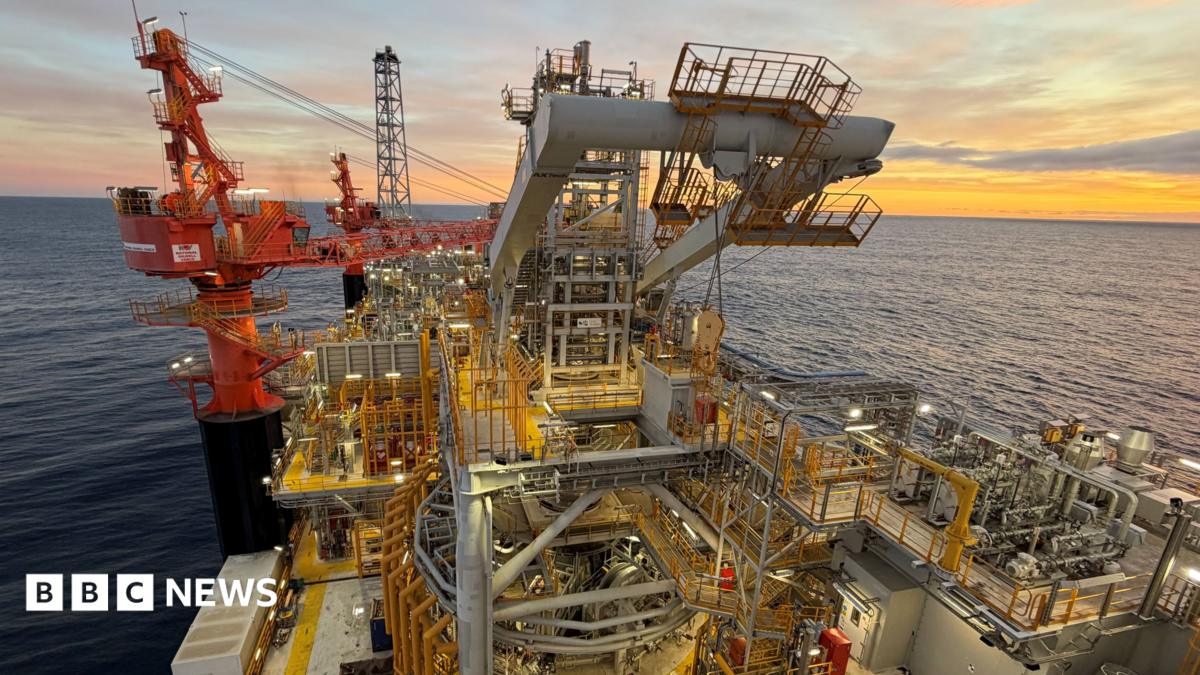
Access to the Rosebank field begins with a helicopter ride in the early morning. The journey often involves low visibility and strong winds. The helideck, operated by Nicola Boyd, is where crew members don survival suits and lifejackets before boarding the Petrojarl Rosebank — a floating production, storage and offloading vessel (FPSO).
Boyd, who has worked offshore for nearly a decade, including a year on Rosebank, says the experience is both demanding and rewarding. ‘It’s good fun, it’s interesting, every day can change,’ she says. Her schedule is two weeks on board, followed by three weeks off. This rhythm shapes personal routines and emotional well-being.
The vessel rolls gently with the swell. ‘We’ve had that kind of heave in the past,’ said Ewan Leonard, a lead mechanical technician. ‘Last week we had a 30m heave. We’ll likely face more as winter progresses.’
‘It’s as harsh as you get anywhere in the world,’ he added. This harshness reflects both weather and the engineering challenges of operating in remote, high-wind zones.
Facilities and Daily Life on the FPSO
Facilities include single-man cabins, a full gym, saunas, and a cinema — all designed to support daily life in isolation.
Production supervisor Douglas Hogge praised the quality of life. ‘We have the gym, the sauna,’ he said. ‘You can get fresh air. There’s plenty out there.’ The vessel rotates around a fixed turret to face the wind and waves, improving safety and comfort.
Food is a highlight. Chefs serve a variety of dishes — from braised ox cheek to mackerel to pork loin — throughout the day. At night, shift workers begin their day with a unique breakfast: fillet steak and chocolate brownie pudding — a treat in long shifts.
Production Capacity and Economic Potential
For many crew members, this work could extend into retirement. ‘For myself and a lot of the guys, that would see us out to retirement,’ said Hogge.
Oil and gas will be transferred via a massive hose and nozzle — like a floating filling station — to tankers. These will transport the product to international markets, likely Europe. The gas could be piped to Shetland and then to the St Fergus terminal in Aberdeenshire, potentially heating 500,000 homes at peak production.
Adura, which owns 80% of the field, sees this as a model for future projects. Neil McCulloch, CEO of Adura — a joint venture between Shell and Norway’s Equinor — says the project could lead to four more gas developments: Tornado, Tornado East, Tobermory, and Suilven. ‘We would like to proceed with them,’ he said.
Environmental and Political Pushback
Environmental groups have long opposed the project. Uplift, which challenged the approvals, argues the UK’s energy future must be renewable. Executive director Tessa Khan said: ‘The future of the energy sector in the UK is renewable energy.’
She urged Prime Minister Andy Burnham to prioritize clean energy. Khan warned that approving a new oil field would harm climate goals and benefit only large, already-profitable companies — at the expense of teachers, nurses, and families.
Greenpeace and Uplift challenged the 2023 approvals for Rosebank and Jackdaw. In 2025, the Court of Session in Edinburgh ruled the approvals unlawful because they failed to assess climate impacts of burning fossil fuels. Judge Lord Ericht allowed operations to continue without full production, but required more detailed environmental assessments.
Broader Trends in the UK Energy Sector
The Rosebank decision reflects a wider trend. Oil and gas production peaked over 25 years ago. Since then, jobs in the sector have declined faster than those in wind and solar energy.
While oil and gas jobs remain well-paid, the long-term outlook is one of decline. The UK government now emphasizes a shift to low-carbon energy. But economic benefits — such as tax revenue — remain a point of debate.
What to Watch Next
The UK government is expected to make a final decision before Christmas. As of late October, an amber weather warning has been issued for much of Scotland. Storm Beolo is forecast to bring strong winds and heavy rain — potentially delaying operations or crew rotations.
For now, crew members focus on their duties. Personal moments — like steward Liam Davidson’s desire to see his French bulldog, Bailey — are secondary. Boyd, meanwhile, misses her family, especially her double bed and pizza deliveries from the helideck.
Despite challenges, the crew remains committed. Operations continue as political and environmental scrutiny grows. The Rosebank decision may shape the UK’s energy future for years to come.
For more on the storm affecting the region, see Storm Beolo Hits Scotland with 85mph Winds.
Sources & further reading
Featured image: The Petrojarl Rosebank, a floating production, storage and offloading vessel (FPSO) moored above the Rosebank oil field in the North Atlantic. Via original publisher. Image source