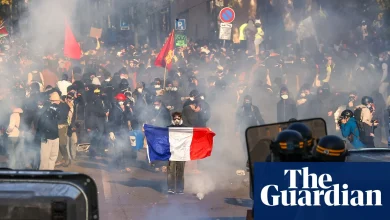
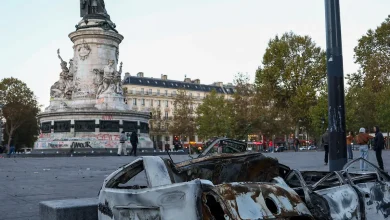
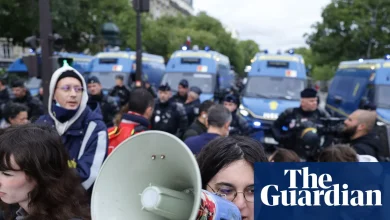
Protests in Milan have intensified debate over Italy’s ‘lost generation’ of youth facing economic hardship, social exclusion, and a profound sense of abandonment. Source: theguardian.com.
What Happened in Milan
On a Saturday afternoon, hundreds of young people gathered in Piazza del Duomo, the heart of Milan, to protest soaring living costs and unaffordable housing.
The demonstration began peacefully, with participants holding signs that read ‘We are not invisible’ and ‘Housing for all.’
Journalist Martina Miccichè joined the march. She said the crowd grew angry as police began pushing people back with shields.
Officers were seen kicking and beating a teenager, dragging him along the ground. The incident left a deep emotional and physical mark on her.
A flying object struck Miccichè, causing a deep gash and bruising near her right eye. She required stitches to treat her injury.
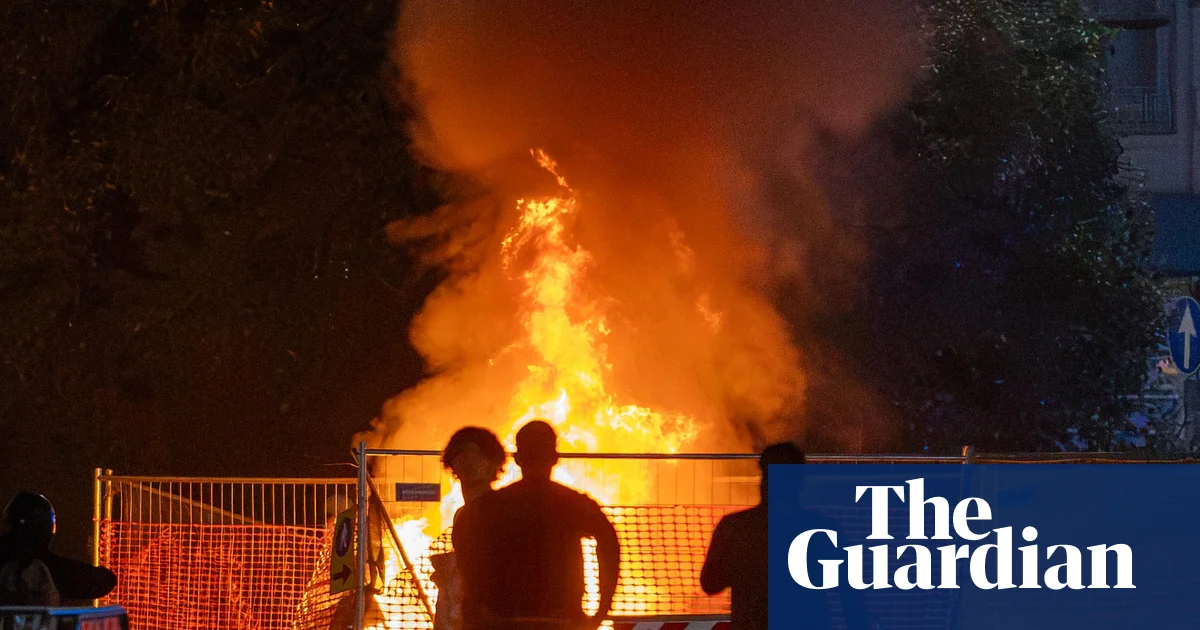
As clashes continued, masked youths from marginalised areas targeted the city’s fashion district. They tore down road signs, set bins alight, and smashed windows at shops including Footlocker and Levi’s.
The vandalism was coordinated through social media. Groups shared lists of targets and promised rewards for looting luxury goods.
The actions were mostly in peripheral districts like Barona, a sprawling council estate in southern Milan. These areas have long faced economic deprivation and limited access to services.
Government Response and Legal Measures
Within days, Italy introduced new laws targeting youth-related activities.
Parents now face financial responsibility for their children’s vandalism and looting. Critics say this blames families instead of solving root causes.
Violent participation in demonstrations is now criminalised. Penalties for rioters have been strengthened.
These laws now apply beyond Milan. In southern Italy, lorry drivers have blocked roads for over a week over high petrol prices.
As of the latest reports, 71 people have been taken into judicial authority and 242 have been fined. The protest act was previously illegal under a security bill. The government has now reinforced this ban with stronger enforcement.
Officials have warned that obstructing public highways could lead to jail terms. This has created fear among rural and working-class communities.
Voices from the Marginalised Youth
Domenico Ricci, who manages a bar in Barrio’s cultural hub, said: ‘There is a lot of discontent – we are all children of this widespread malaise.’
Luca Orlando believes the vandalism was not about theft. He said: ‘These kids take revenge because they’ve been unheard and invisible for years. They don’t do it just to steal – it’s a reaction to years of silence.’
Thomas, 18, who is training to be a chef, said he sees no future in Italy. He plans to leave as soon as possible.
His friend Mohamed, an Italian citizen of Moroccan origin, wants to become a lawyer. He said: ‘If you make a mistake, then you must pay. But this is also a characteristic of protests – the more a government doesn’t listen, the more people get angry.’
Sociological Perspective
Mauro Magatti, a sociologist at Milan’s Catholic University of the Sacred Heart, has studied youth disengagement for over a decade.
He says socioeconomic discomfort and a sense of abandonment have affected an entire generation.
Many young people in working-class and immigrant communities feel excluded from economic and political life, despite being the backbone of the workforce.
He warns that excessive repression may worsen the crisis. ‘Violence always needs to be condemned,’ he said. ‘But now we need to lower the tone to address the real problems.’
He adds that the government’s focus on punishment, not dialogue, may deepen the divide between youth and authorities.
Magatti notes protests are not limited to Milan. Similar unrest has occurred in Turin and Bologna over housing and cost of living.
Yet, media coverage has focused on Milan’s violence. The real issues in southern Italy have received little attention.
Broader Context and National Divide
Protests in Turin and Bologna echo those in Milan. But coverage of southern protests has been limited.
Orlando said: ‘We are only talking about Milan because of the violence. The real issues in the south have hardly been reported.’
Regions like Calabria and Sicily face greater challenges — including limited jobs, poor infrastructure, and lack of education access.
These areas have long been underfunded. Residents often feel ignored by national policy.
Miccichè said the government shows no effort to understand youth perspectives. She said: ‘There is no perception at all of how young people feel. Even if they took just a minute to listen, they would understand that it is a generation full of ideas – they just want to be heard.’
Why This Matters
The protests reveal a deep divide between marginalised youth and those with greater economic prospects.
Rising living costs, housing shortages, and social exclusion are fueling anger across Italy.
The government’s response — focused on repression and punishment — may only deepen the crisis.
Without meaningful dialogue, the cycle of protest and repression may continue.
Italy’s situation is part of a wider European trend. Protests across Europe over cost of living have grown in scale and intensity.
These movements are not just about price hikes. They signal a generation’s struggle for dignity, belonging, and a future.
As general elections approach next year, the government faces mounting pressure to engage with youth voices and address structural inequalities.
Sources & further reading
Featured image: original publisher image. Via original publisher. Image source