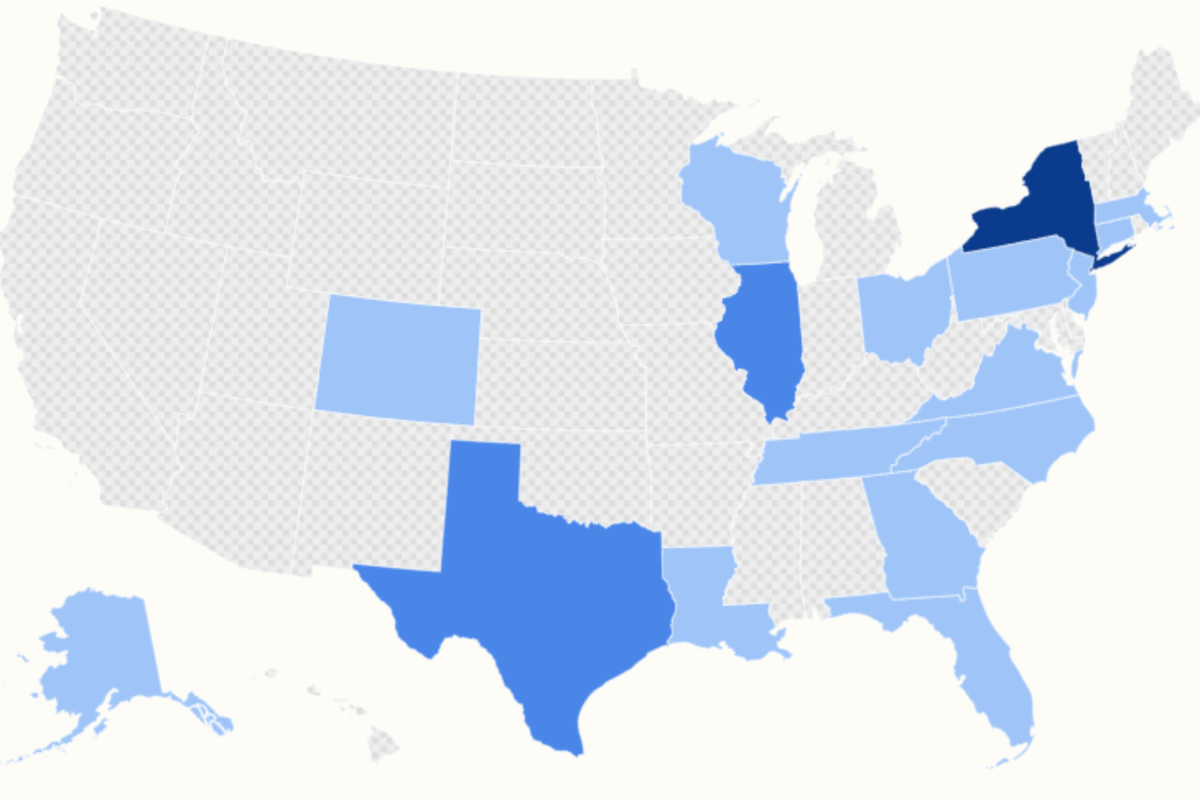
At least 145 people across 17 states have been sickened in an outbreak of cyclosporiasis, prompting a federal investigation into the source of the infections as health officials warn that the true number of cases is likely higher.
New York has reported the highest number of cases, with between 31 and 80 infections of the intestinal illness. Cyclosporiasis is caused by the microscopic parasite Cyclospora cayetanensis, which can trigger prolonged bouts of watery diarrhea, stomach cramps, nausea and fatigue.
The Centers for Disease Control and Prevention (CDC) said the cases involve people who became ill between May 1 and June 16 after eating food in the United States.
None of the patients reported international travel in the two weeks before becoming sick, leading investigators to believe the infections are linked to a domestically consumed contaminated food item.
The Food and Drug Administration (FDA) is assisting with the investigation, but no specific source has been identified.
What Is Cyclosporiasis, and How Does It Spread?
Cyclosporiasis is a foodborne illness that most commonly occurs after people consume fresh produce contaminated with the Cyclospora cayetanensis parasite.
The CDC describes its most typical symptoms as “watery diarrhea with frequent, sometimes explosive, bowel movements.”
In the United States, outbreaks are frequently detected during the spring and summer months, when health officials have previously traced infections to items such as cilantro, basil, raspberries, snow peas, mesclun lettuce and bagged salads, according to the CDC.
Unlike many other foodborne pathogens, Cyclospora is not usually spread directly from one person to another. After the parasite is passed in an infected person’s stool, it typically takes days to weeks in the environment before it becomes capable of infecting someone else. That means infections are more often linked to contaminated food or water than to close contact with someone who is sick.
Where Has Cyclosporiasis Spread?
New York was the hardest-hit state as of June 18, the most recent day for which data is available. It accounts for the largest reported cluster with between 31 and 80 cases and is the only state with figures that high.
Illinois and Texas have each recorded between 11 and 30 cases, making them the only other states to report more than 10 illnesses.
The remaining affected states have each reported between one and 10 cases. They are Alaska, Colorado, Connecticut, Florida, Georgia, Louisiana, Massachusetts, New Jersey, North Carolina, Ohio, Pennsylvania, Tennessee, Virginia and Wisconsin.
The CDC says the investigation remains ongoing, meaning additional cases or affected states could be identified as more people are diagnosed and interviewed.
What To Do if You Think You Have Cyclosporiasis
People who think they may have cyclosporiasis should contact a health care provider, particularly if they develop diarrhea lasting more than a few days, severe dehydration or persistent gastrointestinal symptoms. Because the illness can resemble other foodborne infections, a doctor may order a stool test to confirm whether Cyclospora cayetanensis is the cause.
The infection is typically treated with the antibiotic combination trimethoprim-sulfamethoxazole, commonly sold under the brand name Bactrim, which the CDC says is highly effective. There is no proven alternative treatment for people who cannot take sulfa drugs, although health care providers may recommend supportive care or consult an infectious disease specialist in those cases.
Most healthy people recover fully, but symptoms can last for several weeks or even return if the infection is left untreated. The CDC also recommends drinking plenty of fluids to prevent dehydration, one of the most common complications caused by prolonged diarrhea. Anyone experiencing severe symptoms, signs of dehydration or illness that does not improve should seek medical attention promptly.
Contact Newsweek editors on this story: James Rushton and Shakeema Edwards.