A deepening crisis in the Middle East could send economic shockwaves across sub-Saharan Africa, raising fuel costs, food prices and inflation across the region, according to a new analysis by energy consultancy Zero Carbon Analytics.
Roughly one-fifth of the world’s oil and liquefied natural gas flows through the Strait of Hormuz between Iran, Oman and the UAE. If the ongoing conflict continues, energy prices could spike, driving up costs across African economies, which heavily rely on imported oil and gas.
“As a net importer of oil products, sub-Saharan Africa will not be immune from the fallout,” the analysis notes, warning that higher energy prices could increase the cost of imports and put pressure on national currencies and foreign reserves.
The report analyzed import data and cash reserves across 29 African countries and found Senegal, Benin, Eritrea, Burkina Faso and Zambia are among the most vulnerable if oil prices remain elevated. These countries combine high dependence on imported fuel with limited foreign currency reserves, meaning they will quickly run out of money to pay for more expensive fuel.
“The countries that are most exposed rely entirely on oil imports and already have low levels of international reserves,” Nick Hedley, who authored the analysis, told Mongabay. “This means when oil prices rise, these countries risk further depleting their holdings of U.S. dollars, gold and other reserves. This further weakens their currencies, making imports of all goods more expensive, which pushes up inflation.”
The ripple effects could extend beyond fuel. Rising oil and gas prices often push up the cost of producing synthetic fertilizers, often made from fossil fuels. That, in turn, could raise food prices and worsen food insecurity across parts of the continent.
Hedley said that if the Strait of Hormuz remains closed, it will lead to rising costs across economies. “This will substantially increase the cost of transporting people, food and other goods, meaning a hit to economic growth and a surge in inflation.”
“In turn, this means Africa’s debt challenges will get even worse,” he added. “Central banks across the continent will likely need to raise interest rates to tame imported inflation, which will further erode disposable incomes in Africa.”
The analysis also highlights ways African countries can create more resilience to global fossil-fuel shocks.
One option is to accelerate electrification and shift away from imported fuels. Ethiopia, for example, has begun promoting electric vehicles, which already account for about 6% of the country’s vehicles — above the global average, according to the analysis.
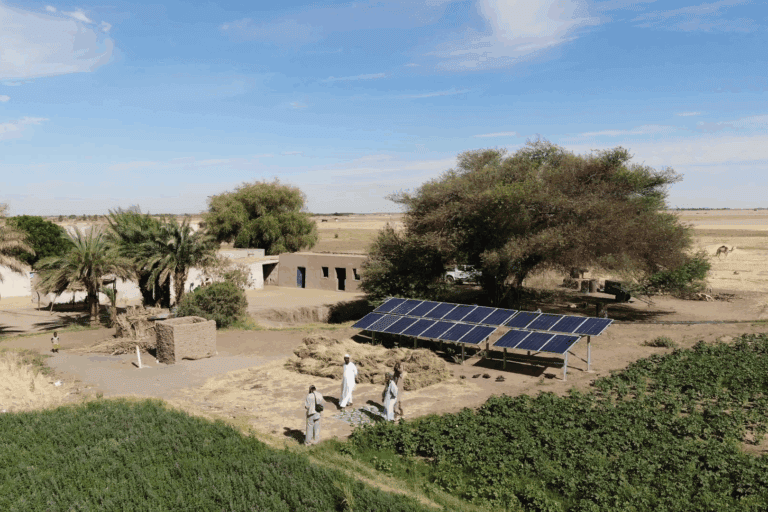
Electricity still has to be produced, though, and Hedley said renewables are one of the best options across the continent.
“Wind and solar are the least-cost options for Africa, even when including the cost of battery storage, which has fallen sharply in recent years,” Hedley said. However, he noted that financing remains a major barrier.
Banner image: Solar power in Sudan. Image © UNDP Sudan/Muhanad Sameer.