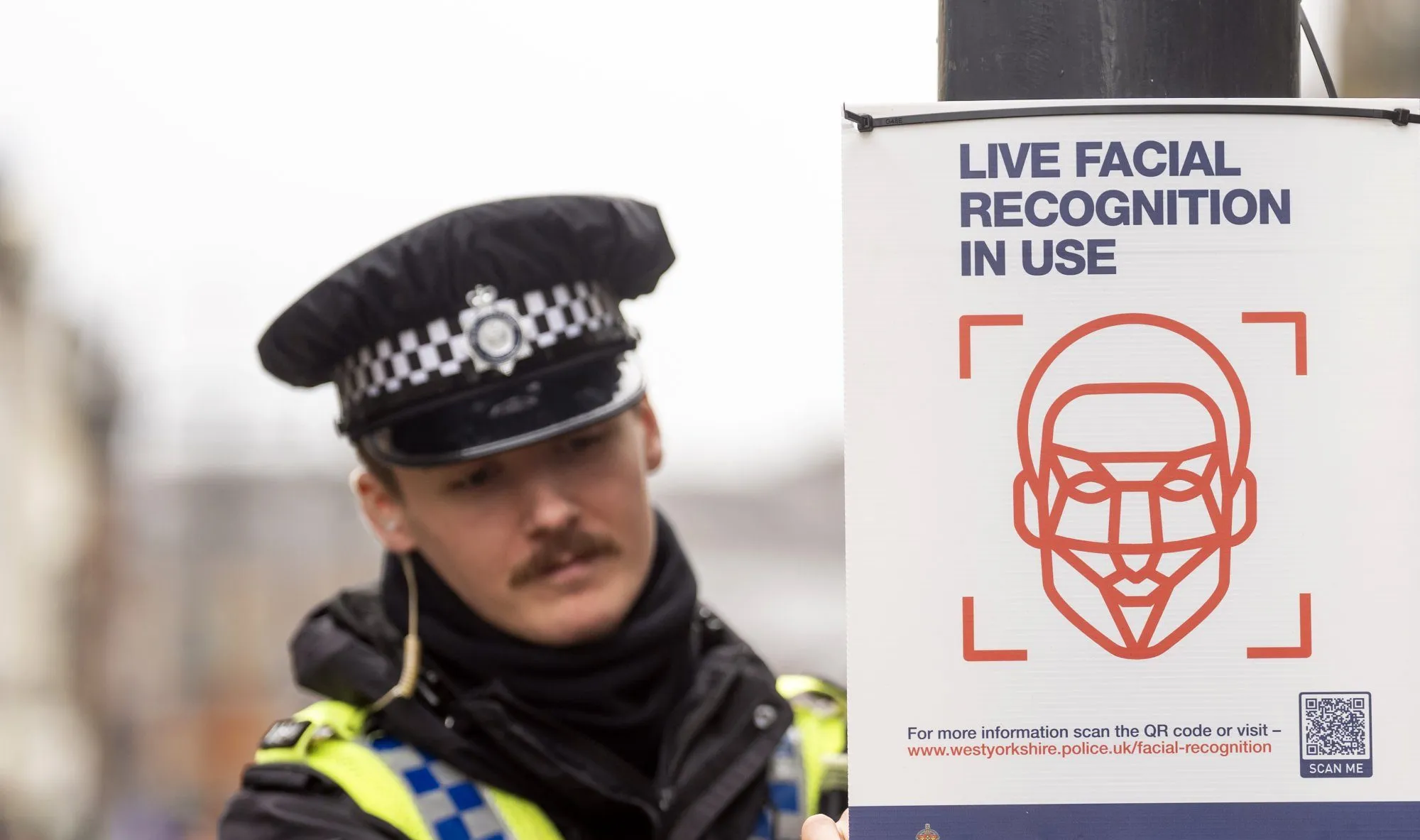
Thousands of Christmas shoppers will have their faces scanned by live facial recognition (LFR) cameras on Oxford Street this year. This marks one of the most visible public uses of the technology in the UK. Source: metro.co.uk.
What’s happening on Oxford Street?
Permanent LFR cameras are being installed on one of London’s busiest streets. The rollout happens as a stretch of Oxford Street becomes fully pedestrianised next week.
Long-term plans aim to make the entire street traffic-free. This change will improve safety and access for pedestrians, especially during the holiday season.
How does live facial recognition work?
LFR uses high-resolution cameras to capture real-time images of people’s faces. These images are processed by algorithms that compare them to databases of known individuals.
Databases include people on watchlists for criminal activity. Unlike static cameras, LFR operates continuously and can trigger alerts in real time.
Government and police claims
The Metropolitan Police say LFR is a key tool in modern policing. They point to a six-month pilot in Croydon.
That pilot led to a 10% drop in crime and 173 arrests — one every 35 minutes. Officers say the system cuts down time spent reviewing CCTV footage.
Commissioner Sir Mark Rowley calls LFR one of the most revolutionary advances in policing. Over 2,000 arrests have been made since 2024 using the technology.
Public and human rights concerns
Akiko Hart of Liberty said fixed LFR cameras on Oxford Street will scan thousands of shoppers without their choice.
The public consultation on facial recognition closed in February. The government has not released its response.

There is no legal framework to protect public rights. This lack of transparency damages trust. The rollout should pause until clear laws and oversight are in place.
Political support for the technology
Conservative leader Kemi Badenoch has backed expanding LFR. At the Police Federation conference, she said: ‘We will expand live facial recognition so that instead of spending hours crawling through CCTV, you’ll get a match in seconds.’
Her comments show growing political support for using technology to speed up law enforcement.
Limitations and past performance
LFR has shown inconsistent results in real-world use. British Transport Police tested it in major stations. Only one arrest was made — and it was later confirmed as a false alarm.
There is no public data on false positives or misidentifications. This raises concerns about accuracy and fairness.
Critics argue such gaps hurt public confidence in the system’s reliability.
What to watch next
Public attention will focus on the government’s response to the February consultation. If no legal framework or independent review is established, the rollout may face backlash.
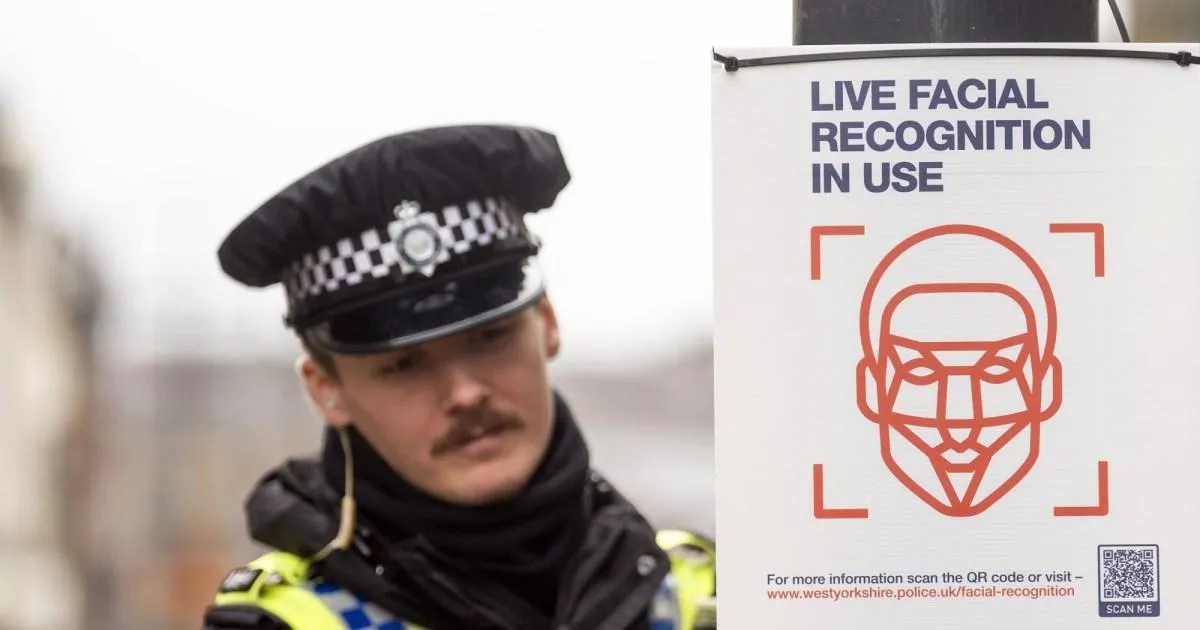
Signs will appear when LFR is active. These signals help the public know when the system is in use.
For more on London’s public safety initiatives, see Metro’s London news hub.
Sources & further reading
Featured image: original publisher image. Via original publisher. Image source