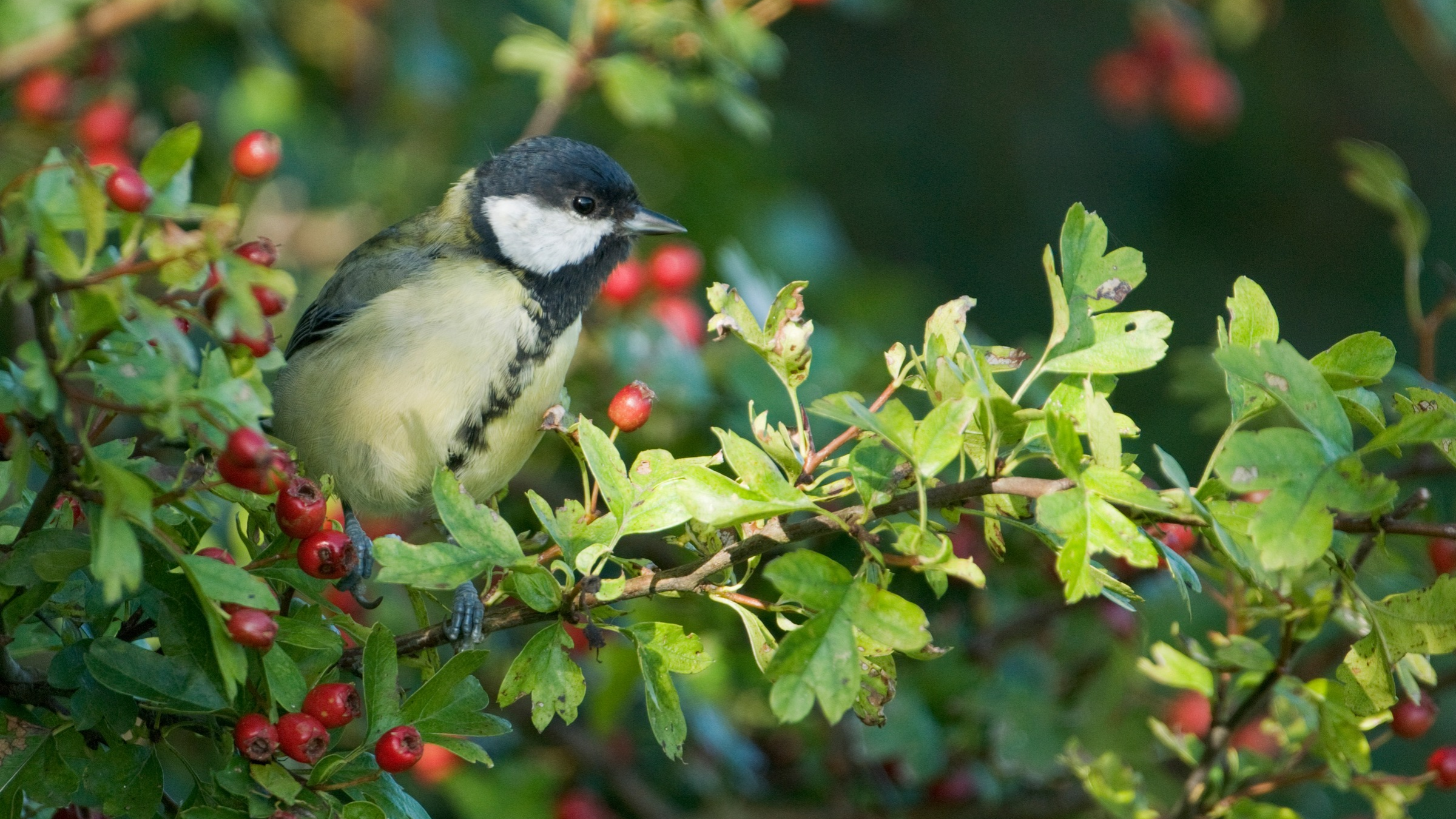
Native hedging is emerging as a top choice for UK gardeners seeking sustainable, functional, and ecologically sound landscaping. Source: idealhome.co.uk.
Why Native Hedging?
Native hedging offers more than just aesthetic appeal. It supports local biodiversity, provides natural shade, and helps reduce pollution in gardens.
Experts at Ideal Home recommend native hedging because it grows well in UK soils and supports local wildlife. This includes birds, insects, and small mammals that rely on native plants for food and shelter.
Unlike imported or non-native species, native hedging has evolved with local conditions. It adapts to UK rainfall, soil types, and seasonal changes. This makes it more resilient and less reliant on artificial inputs.
Benefits for Gardeners and the Environment
- Provides natural shade, reducing the need for artificial cooling in summer.
- Supports pollinators like bees and butterflies, which are vital for ecosystem health.
- Helps filter air pollutants, improving local air quality.
- Requires less maintenance over time, saving gardeners time and effort.
One expert notes that native hedging ‘creates a living ecosystem’ in the garden. It doesn’t just look natural — it functions like a miniature habitat.
Which Hedging Should You Choose?
Not all native hedges are created equal. The ideal choice depends on your garden’s size, climate, and existing plant life.
Common native species include hawthorn, blackthorn, and elder. These plants grow well in UK soils and offer dense foliage that supports wildlife.
For example, hawthorn provides shelter and food for birds. Blackthorn produces berries that feed birds in winter. Elder offers both shade and nectar for insects.
Experts suggest selecting species that are already established in the UK. This ensures compatibility with local ecosystems and reduces the risk of invasive spread.
How to Lay Native Hedging
Installing native hedging is straightforward with the right preparation.
- Choose a location with good soil and full sun or partial shade.
- Clear the area of weeds and debris.
- Water regularly during the first few weeks to help roots establish.
It’s important to avoid over-pruning. Native hedges grow slowly and naturally. Cutting them too much can harm their structure and reduce their ecological value.
Over time, the hedge will grow denser and more robust. This natural growth pattern supports long-term sustainability.
Limitations and Considerations
While native hedging has many benefits, it is not without limits.
It may take several years to reach full density. This means gardeners must be patient and commit to long-term care.
Some native species can be slow to establish. In dry or poor soils, growth may be delayed.
There is also a risk of disease or pest infestation, though these are generally less common than with non-native plants.
Experts caution against mixing native and non-native species. Doing so could disrupt local ecological balances.
What to Watch Next
As UK garden trends evolve, native hedging is expected to grow in popularity. This shift reflects broader interest in sustainable living and environmental stewardship.
Further research is needed on long-term performance and biodiversity outcomes. The ideal home website links to a dedicated page on wildlife-friendly garden ideas, which includes more plant recommendations.
For insights into bird-friendly plants, see the Sarah Raven guide on winter bird feeding.
Future garden trends may also include more integration of native hedging with other sustainable features like rainwater harvesting and composting.
Sources & further reading
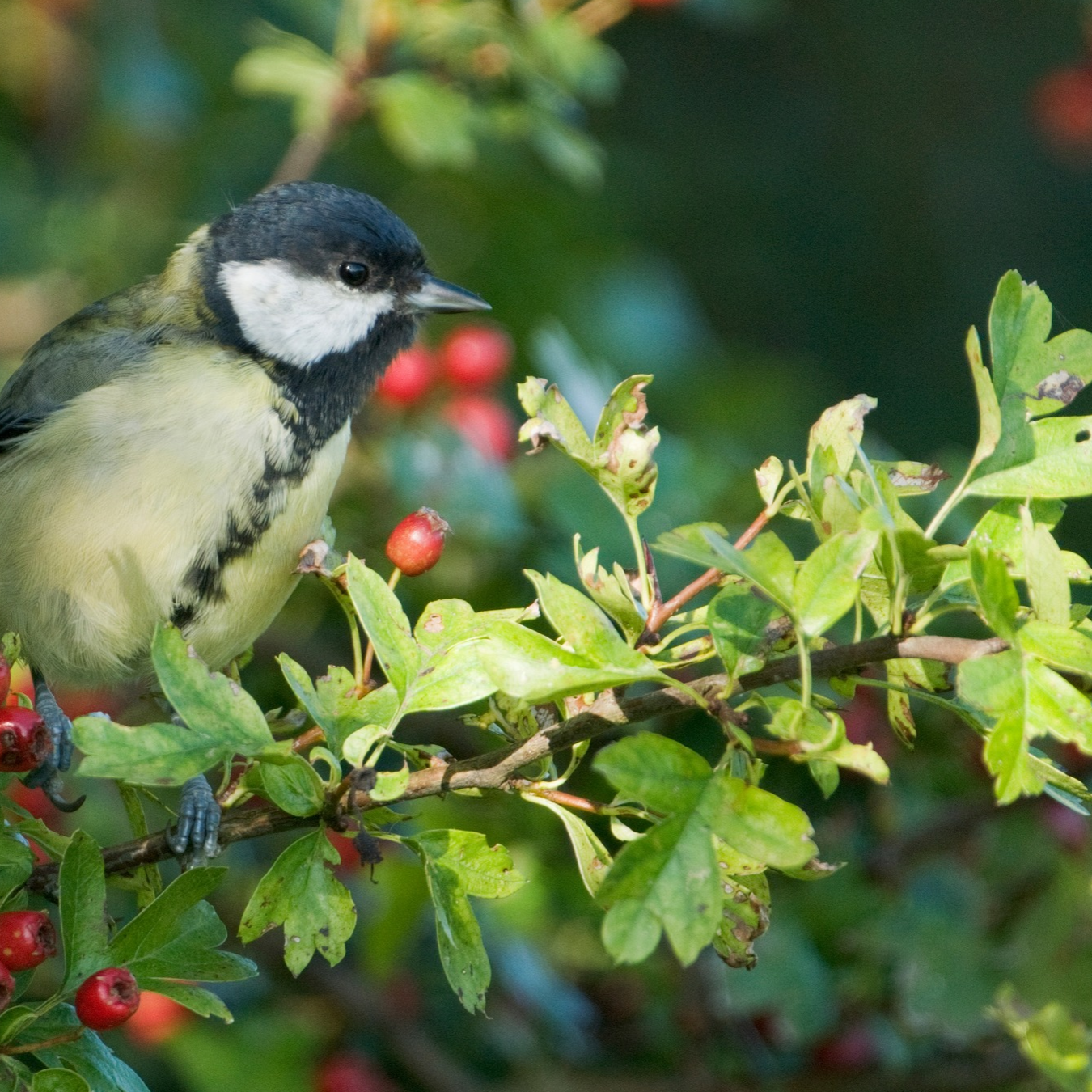
Featured image: Great tit in a hawthorn hedge with red berries.. Via original publisher. Image source