Israel’s general election ended without any single bloc reaching a parliamentary majority. This outcome reflects deep political fragmentation and growing influence of Arab-Israeli parties in governance.
Netanyahu’s Coalition in Lead, But Without Majority
Netanyahu’s coalition of right-wing and far-right parties won the most seats. His Likud party holds 27 seats, the largest single faction.
It cannot govern alone and must negotiate with others to form a government.
The opposition, led by Gadi Eisenkot, won 48 seats. It is a strong, organized force focused on economic reform, social justice, and inclusion.
Arab Parties as Key Players
Arab-led parties have emerged as potential kingmakers. Raam and the Joint List combined won 19 seats.
These parties have long pushed for greater Arab representation. Their success shows a shift in public support for inclusive governance.
Allegations of Foreign Interference
Netanyahu’s camp accused Arab parties of receiving foreign funding—specifically from Qatar—to influence the vote.
Likud claimed to have found cash envelopes in Arab party offices. The claims were widely promoted on Thursday.
The election commission dismissed the allegations as unfounded. Acting director Dean Livne said any suggestion of widespread irregularities is ‘entirely groundless.’
Shin Bet launched an investigation. It stressed the probe is not meant to blame Arab voters or parties, but to ensure transparency and legal integrity.
Responses from Arab Parties
Yousef Jabareen of the Joint List said he will work with the opposition to challenge Netanyahu. He will not join a government led by them.
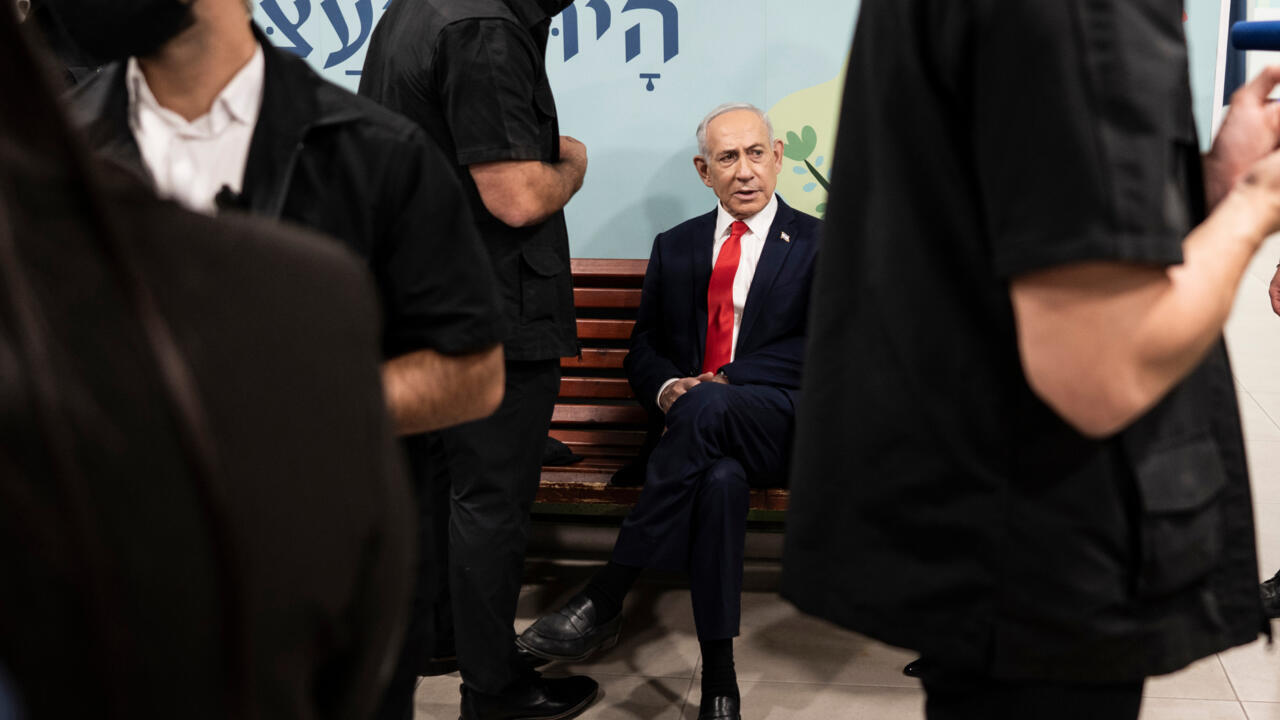
Mansour Abbas of Raam denied wrongdoing. He welcomed the investigation, calling it essential for electoral integrity.
The Joint List accused Netanyahu and allies of running a ‘campaign of incitement’ to weaken Arab voters’ influence.
Political Tensions and Future Pathways
Opposition figures say Netanyahu is trying to delegitimize the election results. Yair Golan called it a dangerous effort to manipulate public perception.
Eisenkot said he was briefed by Shin Bet and the election commission. He said it is too early to know if any irregularities occurred.
Netanyahu has faced past scrutiny over ties with Qatar. That connection resurfaces in current debates about foreign influence.
Netanyahu previously supported Qatar-funded Hamas in Gaza to maintain stability. That approach ended after October 7, 2023.
What to Watch Next
Coalition talks are expected to last weeks. A second election may be needed if no agreement is reached.
Arab parties will remain central to any government formation. Their support could reshape Israel’s political future.
For real-time updates on the election, see Israel Election Live: Netanyahu Tied with Eisenkot in Exit Polls.
For analysis on regional implications, explore What Would a New Israeli Government Mean for Arab Neighbors?.
Official results are available at Original source.
Sources & further reading
Featured image: original publisher image. Via original publisher. Image source