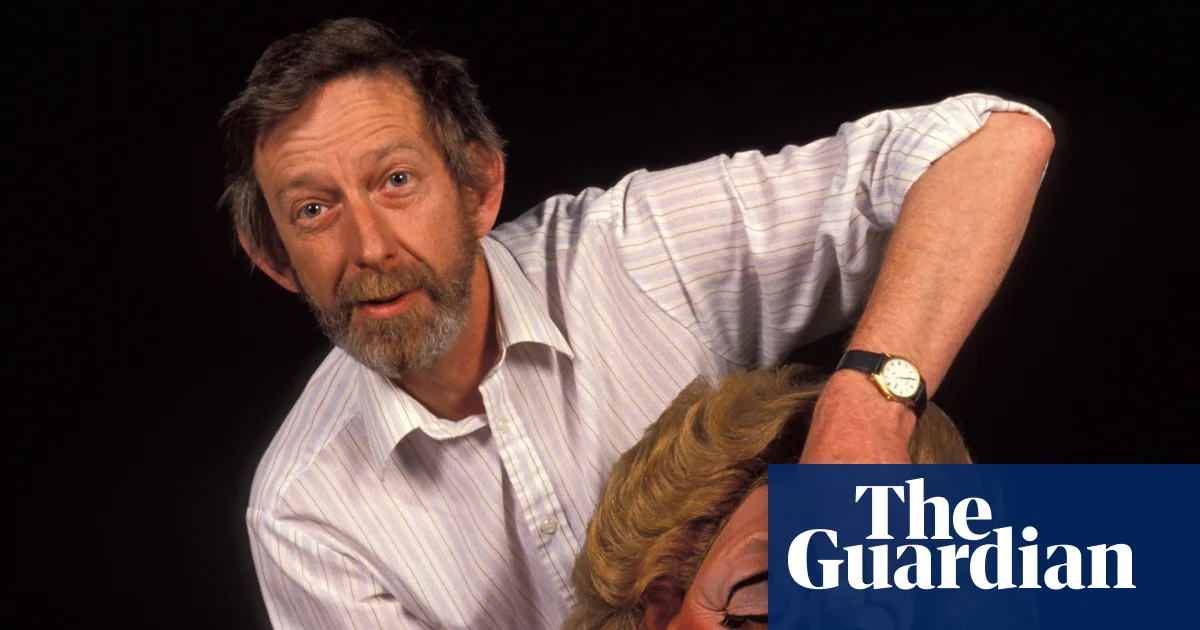
Peter Fluck, a British artist and caricaturist, died at 85. He co-created the influential ITV sketch show Spitting Image with Roger Law, shaping a generation of political satire in the UK. Source: theguardian.com.
The Rise of Spitting Image
Spitting Image aired from 1984 to 1996. It followed the BBC’s That Was the Week That Was in mocking British political figures. The show focused on Conservative rule, exaggerating leaders’ personalities for satire.
Fluck and Law began by drawing public figures from photographs. They then sculpted puppet heads in clay. Fluck said he was faster at drawing likenesses. Roger Law was quicker at shaping clay. They switched the mould between them until both agreed it was finished.
Each puppet was cast in foam latex. Bodies were mostly foam. Fluck designed a system of wires, rods, and cables. This allowed facial expressions to move dynamically during performances.
Key Characters and Satirical Portrayals
- Margaret Thatcher was shown as domineering, aggressive, and increasingly tyrannical, verging on madness.
- Norman Tebbit was portrayed as a tough thug in a leather jacket.
- Geoffrey Howe was seen as dull.
- Nigel Lawson was depicted as incompetent and panicky.
- Cecil Parkinson was shown as a playboy.
- Douglas Hurd had a Mr Whippy hairstyle.
Opposition leaders Neil Kinnock and David Steel were treated similarly. Ronald Reagan was shown as genial, elderly, and dangerous. Celebrity figures like Mick Jagger, Ian Botham, Rupert Murdoch, and Laurence Olivier were also lampooned.
The show’s inclusion of the royal family was controversial. The Queen Mother appeared gin-soaked. Queen Elizabeth II wore a tiara even under her headscarf.
Origins and Early Work
Fluck and Law met in the late 1950s at the Cambridge School of Art. Paul Hogarth, a part-time tutor, influenced them with political art from the Spanish Civil War and apartheid South Africa.
They created plasticine models of public figures for publications like Private Eye, the New Statesman, and the Sunday Times Magazine. These were also published in Germany’s Stern and Der Spiegel, and in the US in Time and the New York Times.
In 1976, they formalized their partnership as Fluck & Law. That year, they designed a Radio Times front cover for the American bicentennial. It showed an ‘all-American family’ watching TV, including a dog. The cover subtly questioned national identity and media narratives.
Production and Challenges
John Lloyd pitched the show after creating Not the Nine O’Clock News. The original title, Spit N Image, was rejected by LWT, Thames Television, the BBC, and Channel 4.
Central Independent Television, an ITV affiliate, accepted it. The show launched with a shaky start. It captured public interest and won two International Emmys—1985 and 1986.
Spitting Image was expensive to produce. By 1996, viewership dropped from 15 to 6 million. The decline led to the show’s cancellation. This shift reflected growing changes in TV viewing habits and media consumption.
Later Life and Legacy
After Spitting Image ended, Fluck moved to Cornwall. He lived in a cliff-top house in a fishing village. There, he worked as a full-time artist, creating mobiles, ceramics, interactive installations, and sculptural pieces.
He showed no interest in a 2020 revival of Spitting Image on BritBox. Roger Law returned to lead the creative team, but Fluck declined. He said he preferred original art over reworking legacy content. He viewed satire as a form of expression, not a commercial product.
Fluck was born in Cambridge to Ada and Herbert Fluck. Herbert worked as a gardener at Magdalene College. He grew up birdwatching and drawing stuffed birds at the university’s Museum of Zoology. After leaving Cambridgeshire high school with four O-levels, he studied at the Cambridge School of Art. He married Anne-Cécile de Bruyne in 1963. Both she and their children survive him.
Fluck’s work remains a key part of British political satire history. His partnership with Roger Law revived a tradition of televised satire. The show’s sharp, often controversial portrayals still influence public discussions about media, politics, and satire.
Sources & further reading
Featured image: original publisher image. Via original publisher. Image source