The Royal Air Force will allow pilotless fighter jets to operate in UK airspace starting in 2027. Source: independent.co.uk.
What the RAF Chief Said
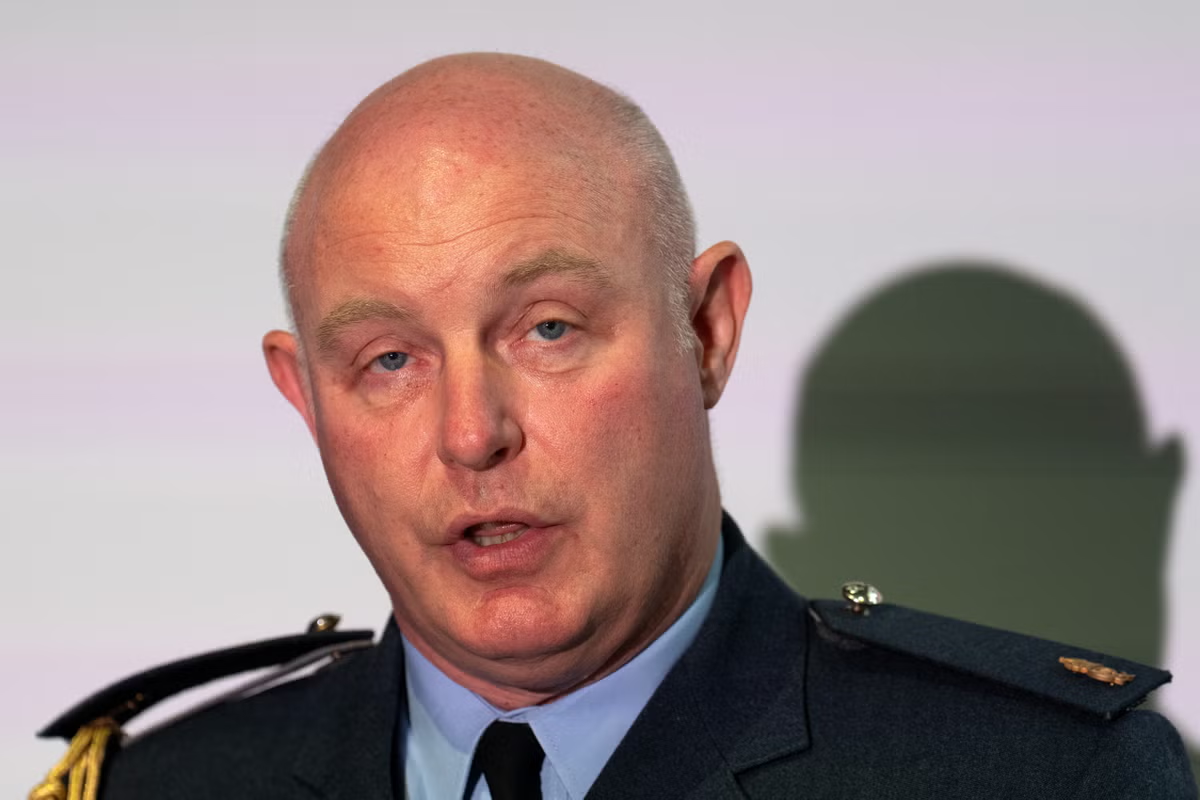
Air chief marshal Sir Harv Smyth confirmed that AI-powered uncrewed aircraft will begin flying in UK airspace next year.
He made the statement in a column for The Telegraph, highlighting how uncrewed systems are reshaping military operations.
“By far, uncrewed systems promise the greatest change. Ukraine’s inexpensive drones gather intelligence and reach far beyond the front line.”
He compared the shift to uncrewed aviation with the move from propeller to jet engines—calling it a fundamental transformation in military aviation.
How the Technology Will Work
AI will manage high-risk tasks like surveillance, reconnaissance, and combat.
Humans will remain central to decision-making, Sir Harv stressed.
“Technology must enhance human judgment, not replace accountability.”
The effort is part of the Global Combat Air Programme (GCAP), a joint project with Italy and Japan.
The GCAP jet may be the UK’s last crewed fighter, not because humans are less important, but because of evolving operational demands.
Operational Test in UK Airspace
The RAF tested its remotely piloted aircraft, Protector, in October.
During the mission, the drone tracked Russian shipping through the English Channel for 10 uninterrupted hours in controlled airspace.
Protector can fly up to 40 hours, showing strong potential for long-duration missions.
Defence Investment and Deterrence
The Ministry of Defence announced a £25 million investment in drones and battlefield technology.
The funding supports British forces in Estonia, along NATO’s eastern flank.
Defence secretary Wes Streeting said the investment strengthens deterrence and operational readiness.
“This investment will increase our deterrence on NATO’s front line, with our troops in Estonia being kitted out with the latest drones and capabilities.”
The investment allows faster troop movements, greater agility, and stronger strike capabilities.
The Ministry of Defence has not shared further details about the rollout or specific uses.
Why This Matters
Real-world use in Ukraine has shown how low-cost drones can gather intelligence far beyond traditional front lines.
For the UK, this shift strengthens defence without needing new aircraft designs.
Limitations and Open Questions
There is no public statement on how these systems will be regulated in UK airspace.
Concerns about air traffic safety and coordination with civilian flights remain unresolved.
While human oversight is emphasized, the full scope of AI decision-making in combat is still undefined.
Public and expert scrutiny will be vital as these systems move from testing to real operations.
More details are expected as the Global Combat Air Programme advances.
Sources & further reading
Featured image: original publisher image. Via original publisher. Image source