Protective hairstyles are designed to shield natural hair from damage. They reduce manipulation, heat, and environmental stress. This helps preserve hair length and health. For individuals with curly or coily hair, which naturally has a more fragile structure due to the difficulty of scalp oils traveling down the hair shaft, protective styles serve as a vital tool in maintaining integrity and minimizing breakage. These styles function by minimizing the number of times hair is pulled, twisted, or exposed to external forces that can lead to split ends or hair shaft damage. Source: allure.com.
The Most Popular Types of Protective Styles
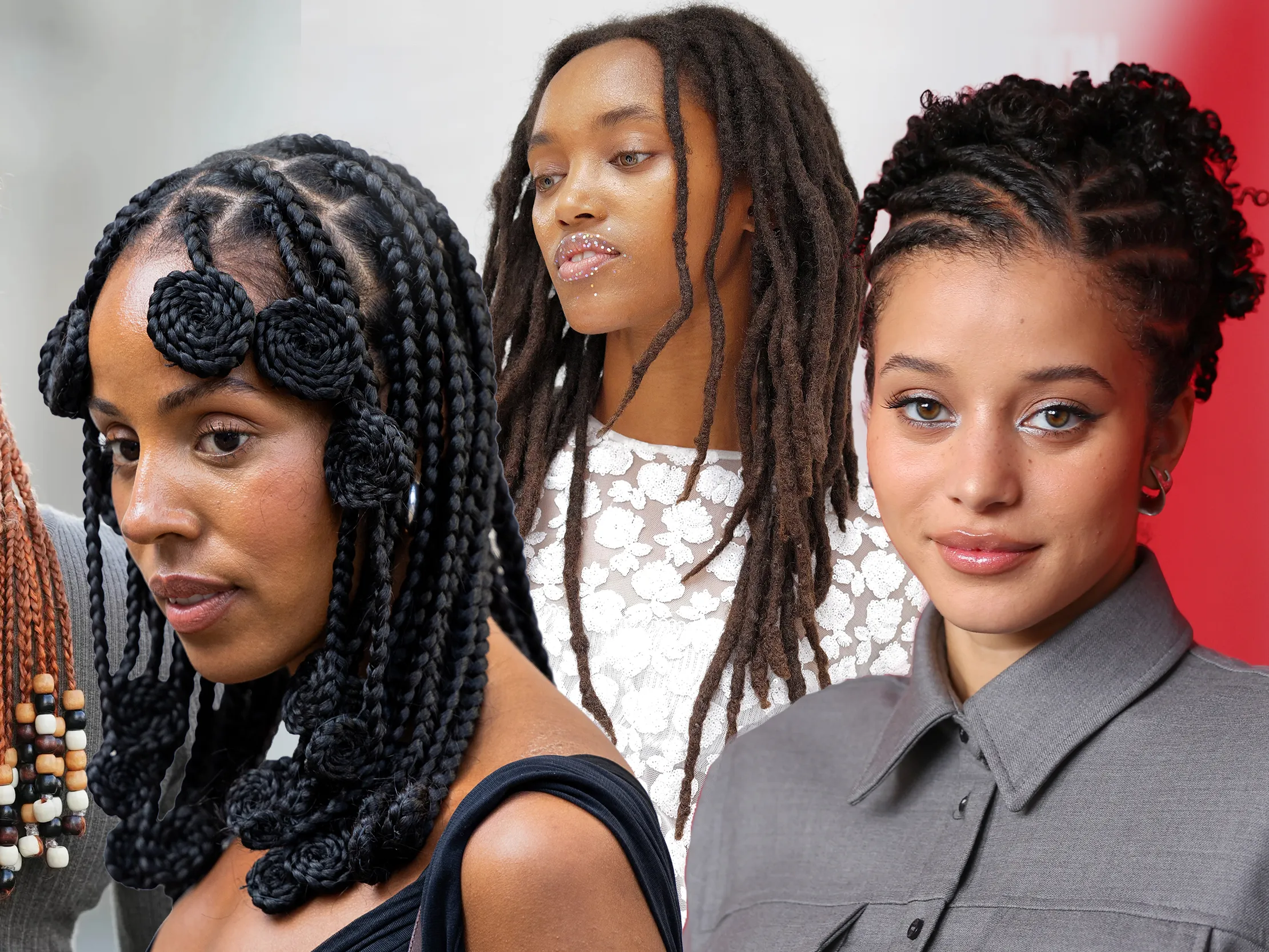
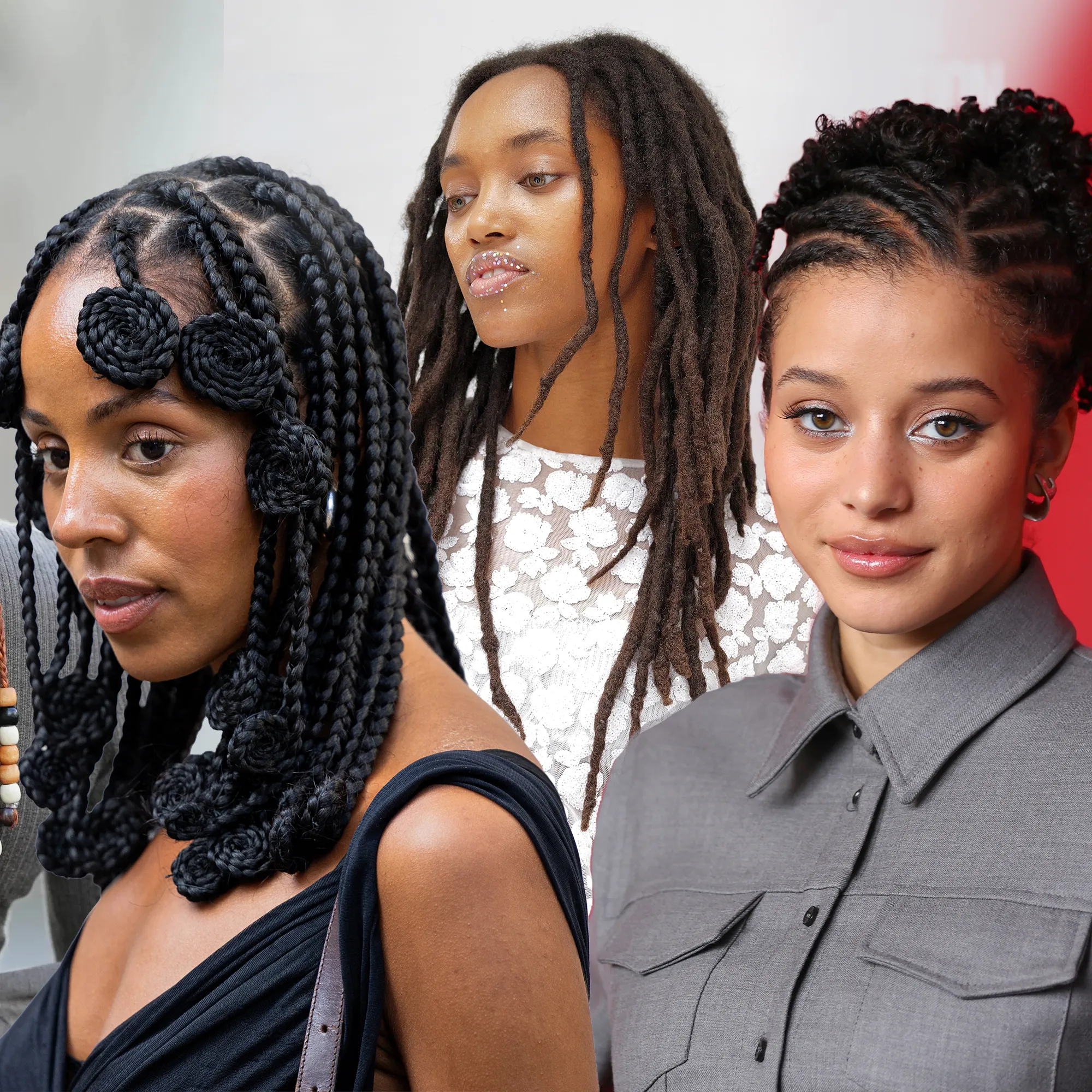
Braids are one of the most common protective styles. They form with three or more sections of hair woven over and around each other. This method creates a secure, interlaced structure that keeps hair strands from being pulled or tugged during daily activities. Braids are particularly valued for their versatility—many braided styles can be transformed into buns, ponytails, or updos, offering users multiple styling options from a single installation. This adaptability makes them ideal for both everyday wear and special occasions.
- Cornrows are braided very closely to the scalp, often in straight lines. They are typically applied in a uniform pattern and are known for their durability and ability to last for weeks or even months without requiring maintenance.
- Fulani-inspired styles begin with cornrows in the front and flow into loose, cascading plaits down the back. This design combines the structure of cornrows with the fluidity of loose braids, offering both aesthetic appeal and practicality.
- Box braids fall under the broader category of braids and include popular styles such as goddess and boho braids. These are formed by feeding hair gradually into the plait, without tying knots at the base. This technique results in a lighter, more flexible feel when installed correctly, reducing tension on the scalp and hair shaft.
Box braids are especially favored for their ease of maintenance and comfort. Because they are not tied with knots, they allow for more natural movement of the hair, which helps prevent friction and breakage. When done properly, they can last over a month and are often worn during events or travel when a low-maintenance look is desired.
Twists are formed by wrapping two sections of hair around each other. While they may not receive as much attention as braids, twists remain a highly effective and accessible protective style. They are particularly popular among those who want a natural, low-maintenance look that can be easily maintained at home.
- Classic two-strand twists involve sectioning hair, wrapping it around itself, and allowing it to hang down in plaits. These twists are easy to DIY and offer a practical, two-in-one styling solution: you can wear the twist as-is or later twist it out to create a wave or curl pattern.
- Flat twists sit close to the scalp, similar to cornrows, and provide a sleek, polished appearance. They are ideal for those who want a subtle, everyday style without the bulk of larger braids.
- Mini twists use very small sections of hair, making them perfect for fine or thin hair types. They add volume without overwhelming the natural texture.
When hair extensions are added, popular twist styles include Senegalese, passion, and Marley twists. These styles are known for their fullness and volume, and they are often used to add length or fullness to naturally thin or short hair. The added hair is typically secured with a secure, non-tight method to prevent pulling and damage.
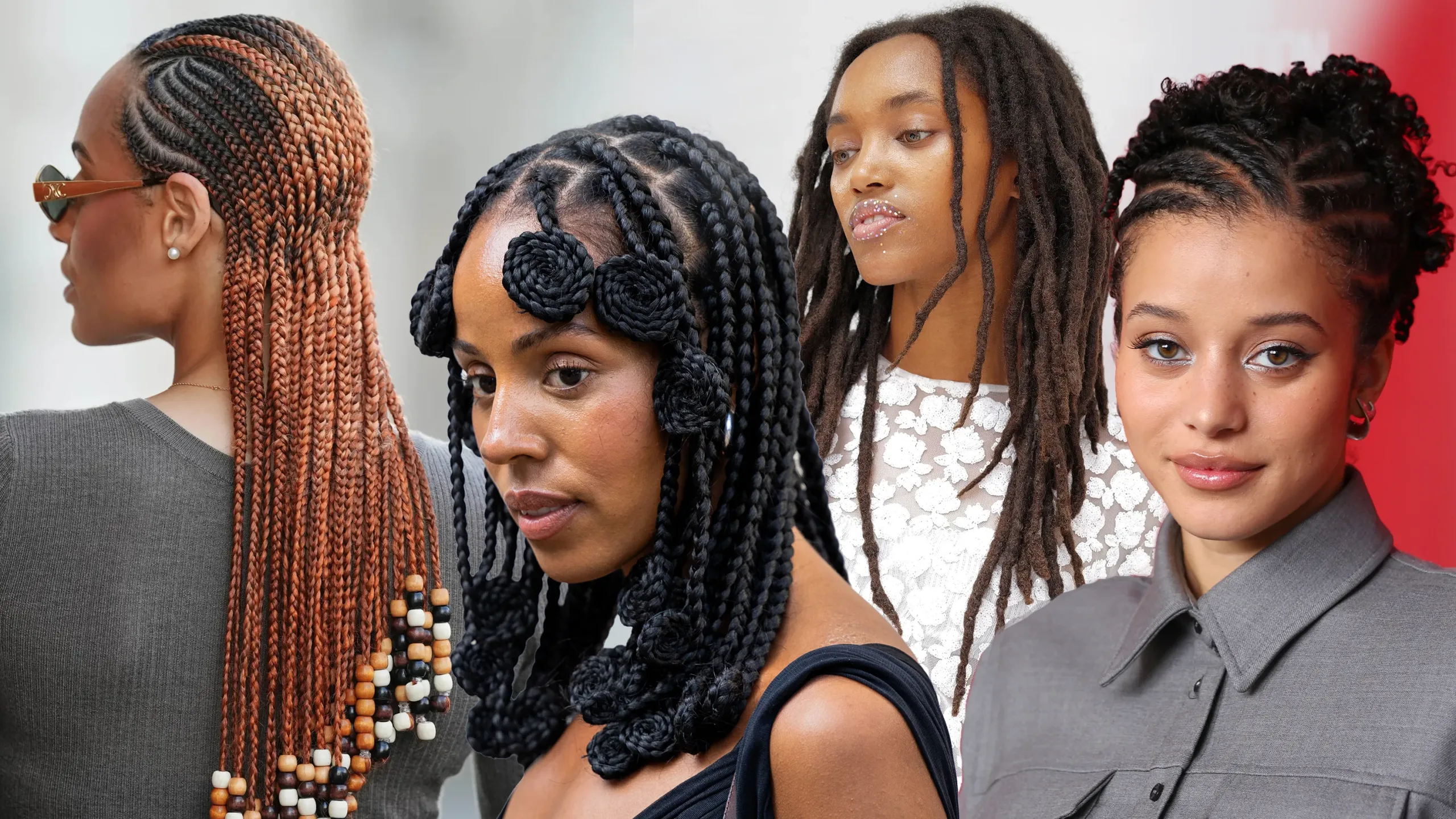
Locs are created when sections of hair intentionally intertwine and form together over time. This process can take weeks or months to complete and is often seen as a long-term commitment to hair health. There are several methods to begin a loc journey. One common approach is the comb coil method, where a stylist sections clean, gelled hair based on hair density and preferred parting. A tapered barber comb is then used to coil each section tightly. After the hair is sectioned and coiled, the client is placed under a hooded dryer for 30 to 45 minutes, with a spritz applied during the final 15 to 20 minutes to set the style. Once fully dry, the loc journey begins.
Locs can be developed in different ways. Free-form locs grow naturally over time, with the hair continuing to loc as it grows. This method is ideal for those with naturally coily hair and who are committed to long-term hair health. For those who are not ready to fully commit to locs—due to the time and effort required for removal—faux and soft locs offer a temporary alternative. These styles mimic the look of real locs without permanently locking the hair, making them a great option for short-term use or experimentation.
Bantu knots are buns created by tightly winding hair sections upon themselves. After the hair is parted into sections, each section is twisted or braided, and then wrapped into a bun. These buns can be small, medium, or large, and can be applied to natural hair or with extensions. Bantu knots are not only visually striking but also functionally useful. They are particularly beloved for preserving curls overnight or creating heatless waves, which helps maintain the natural texture of the hair without the need for heat styling.
Weaves and wigs are also considered protective styles. A weave is a protective style that interlocks, attaches, connects, or weaves in extension hair, usually human, to natural hair. The most popular method for coily hair is the sew-in. In this method, the natural hair is first cornrowed, and then extension hair is sewn into the braids. Dr. Cataanda James, a New York-based cosmetologist, calls the sew-in the most protective way to add length and fullness because the natural hair is tucked away and secured under the weave, minimizing exposure to air, friction, and environmental damage.
Wigs—whether full, partial, or half—can also be considered protective styles, but only under specific conditions. Full wigs that cover the entire head, scalp, and hair block oxygen and nutrients from reaching the follicles. This can negatively impact hair growth over time. Therefore, while wigs may offer a protective appearance, they are only beneficial if removed daily or periodically. Experts emphasize that consistent use of full wigs without removal can lead to diminished hair health and growth.
Who Should Be Mindful of Protective Styles?
While protective styles offer many benefits, they are not suitable for everyone. Individuals with fragile or already damaged hair should prioritize healthy hair growth before investing in protective styling. Hair damage can be a result of prior chemical treatments, heat styling, or environmental exposure, and attempting to protect damaged hair with styles that involve tension may exacerbate the issue.

Those with a history of traction alopecia—caused by repeated pulling or tension on the hair—should avoid protective styles altogether. Traction alopecia can lead to irreversible hair loss and scarring, especially in individuals with naturally tight or curly hair. Signs of this condition include thinning at the scalp, redness, or small bumps at the base of braids or twists.
People with pre-existing skin conditions such as seborrheic dermatitis or eczema should be cautious when using protective styles. The chemicals in some synthetic hair extensions or styling products can trigger flare-ups. For those with sensitive skin, using human hair extensions—free from synthetic materials—can reduce irritation and improve overall comfort.
Additionally, individuals who experience discomfort when wearing certain styles should consider alternative options. Pain or dull aches during styling are not normal and should be taken seriously. As dermatologist Dr. Jeanine Downie explains, ‘Hair should not hurt when you’re getting it done.’ This principle underscores the importance of both proper technique and individualized care.
Potential Downsides to Protective Styles
Despite their benefits, protective styles carry two primary risks: tension and product buildup. Both can lead to long-term damage if not managed properly.
Excessive tension—whether from overly tight braids, heavy extensions, or poorly secured knots—can cause severe traction on the scalp. This repeated pulling disrupts the normal hair-growth cycle and can result in irreversible scarring and permanent follicle damage. Dr. Downie emphasizes that visible signs such as small red or white bumps at the base of braids or a dull, persistent pain are clear indicators of adverse reactions. These symptoms suggest inflammation of the follicle and should prompt immediate action.

Product buildup is another significant concern. Even in protective styles, hair is not immune to the accumulation of oils, residues, and styling products. Over time, these substances can clog hair shafts and interfere with natural moisture balance. Dr. Downie recommends washing and conditioning the hair at least once a week, ideally using a detoxifying shampoo. A product like Ouai’s Clarifying Detox Shampoo—formulated with apple-cider vinegar and chelating agents—effectively removes impurities without stripping the hair of its natural oils. This helps maintain a healthy scalp and hair structure.
For individuals who find it difficult to wash braids or twists without disturbing the style, scalp sprays and braid sprays are invaluable. These products are specifically designed to address the unique needs of protective styles. For example, Cécred’s Scalp Refresher Spray contains a blend of ferments that dissolve buildup and is formulated with a slim, precise spray nozzle that reaches deep into braids without disrupting the pattern.
After washing, it’s important to use lightweight, fragrance-free oils to nourish the hair and scalp. Heavy, occlusive waxes can trap moisture and lead to buildup, so experts recommend oils like jojoba. Jojoba oil, the main ingredient in Pattern’s Jojoba Hair & Scalp Oil Blend, closely mimics the natural sebum of the scalp and helps maintain moisture balance without clogging pores.
Proper removal and takedown are essential to maintaining hair health. Experts stress that protective styles should not be worn continuously without breaks. Giving the hair a rest between installations allows the scalp to recover and the natural hair to rehydrate. A well-maintained protective style should protect the hair, not compromise its health. This means that regular care, including washing, conditioning, and proper removal, is critical to long-term success.
Meet the Experts
- Dr. Jeanine Downie is a board-certified dermatologist in Montclair, New Jersey. She advises caution for individuals with sensitive skin or scalp conditions, emphasizing that pain during styling is a sign of harm.
- Rashuna Durham is a professional hairstylist based in Binghamton, New York. She notes that knotless braids offer a lighter, more flexible feel and are less likely to cause tension on the scalp.
- Kia Harper is a professional braider based in Chicago. She emphasizes that hair should not hurt during styling, and that any pain is a clear indicator of potential damage.
- Cataanda James is a cosmetologist and curly hair expert in New York City. She calls the sew-in method the most protective way to add length and fullness, as it minimizes exposure of natural hair.
- Mateo Kirkpatrick is a hairstylist in Dallas. He describes two-strand twists as a budget-friendly, two-in-one style—wearable as-is or twisted out later for a different look.
- Ladosha Wright is a professional hairstylist in Cleveland Heights, Ohio. She explains how the comb coil method and drying times influence the final loc structure and integrity.
For more on hair health and natural remedies, see our guide on hair loss combat.
Sources & further reading
Featured image: original publisher image. Via original publisher. Image source