A series of nearly 50 personal letters written by Queen Elizabeth II between 1954 and 1961 has been revealed to the public. These missives, addressed to her equerry Brigadier Walter Morley Sale, offer a rare glimpse into the monarch’s private thoughts and emotions—particularly her deep connection to horses and her personal, often humorous, reflections on daily life. Source: hellomagazine.com.
The Queen’s Personal Voice
The letters, which remained in the Sale family for 65 years, are now being auctioned by Bonhams in London. The estimated value ranges from £8,000 to £12,000. This private correspondence, long held in a family archive, is now accessible to the public, marking a significant moment in the transparency of royal personal history.
Brigadier Sale managed The Royal Mews, the royal family’s equestrian stables. In the letters, the Queen expresses deep affection for horses and shares candid reflections on her riding experiences. These writings reveal a monarch who was not only deeply committed to her duties but also emotionally engaged with the animals under her care.
Her Allergy to Vets
In a July 1960 letter, the Queen writes: ‘I’m furious!… there is absolutely nothing the matter with her foal… I’m allergic to vets and I can’t help it.’ This statement reveals a personal frustration with veterinary professionals, not as a medical claim, but as a sentiment of distrust or discomfort. The term ‘allergy’ is used in a figurative sense—possibly indicating a lack of confidence in medical judgment or a personal aversion to authority figures in the field of animal care.
She does not specify the nature of this ‘allergy,’ and the term is used in a personal, expressive context. The letter suggests a deep emotional reaction rather than a medical condition. This candid admission reflects a side of the Queen that is both vulnerable and self-aware, showing that even in her role as a public figure, she felt the need to express personal discomfort with certain professionals.
Her Humble View of Horses
The Queen acknowledges that some horses are beyond her skill level. In one note, she says: ‘Sea Breeze is too strong and too good for my sort of once-a-week riding.’ She recognizes that Sea Breeze might one day reach Olympic potential, implying a gap in her own equestrian ability. This humility underscores her respect for the discipline and training required in high-level horsemanship.
She also describes her experience with a horse named Surprise: ‘I know that Surprise can be a horrible ride, but he can be a very good ride as well… like riding on a rubber ball, he was so mad keen to go.’ This shows both her physical engagement and emotional connection to the animals. Her description of the ride as ‘fighting’ with Surprise reveals a dynamic, almost playful relationship with the horse—one that is not merely about control, but about mutual challenge and growth.
Protecting Her Children
The Queen expresses concern for her children’s experiences with horses. She writes: ‘Please make sure that the ponies are well-exercised… even Anne apparently finds them hard to hold, and Charles will be put off for a certainty.’ This reflects her role as a parent and her desire to protect her children from discomfort or fear. Her attention to their emotional well-being highlights a deeply maternal side to her public persona.
Behind the Palace Doors
Former royal chef Darren McGrady offers additional context on the Queen’s lifestyle. Speaking at a live podcast event, he described how the Queen lived simply, favoring British fare over elaborate meals. She only ate lobster and caviar during entertaining events. On regular days, her meals included grilled fish and a salad—no pasta, rice, or starch. She loved chocolate, but was not a foodie.
McGrady recalled that the Queen especially enjoyed meals at Balmoral. There, she would arrive, hang her tiara on the gate, and become ‘Mummy or Granny.’ These moments, he said, were what she valued most. The atmosphere at Balmoral—simple, informal, and rooted in tradition—mirrored her personal values of humility and connection to the land and people.

He also noted that the Queen had 12 corgis, each with an individual menu. A staff member would choose what each dog ate—’Piper needs chicken and cabbage, Myth needs rabbit and a little rice.’ This detail illustrates a personal, hands-on approach to daily life, showing that even in the most formal of royal settings, the Queen maintained a sense of intimacy and personal involvement.
Contrast with Princess Diana
McGrady also shared his time working in Kensington Palace under Princess Diana. He described her as a self-confessed ‘terrible’ cook. He would leave meals in the fridge with a sticky note and a number. If Diana found a dish without a note, she would not touch it. The note with ‘number two’ meant to microwave for two minutes.
McGrady said Diana had rebuilt her life after her separation. She was active, healthy, and committed to wellness. She told him: ‘You take care of all the fats, I’ll take care of the carbs at the gym.’ This reflects her personal discipline and focus on physical health. Her approach to life—practical, self-aware, and grounded—stands in contrast to the Queen’s more reserved, tradition-bound style, yet both women shared a deep commitment to personal well-being.
Limitations and Context
The letters provide insight into the Queen’s personal views, but they do not represent official royal policy or public statements. The term ‘allergy’ is used in a personal, figurative sense and should not be interpreted as a medical diagnosis. These letters were written during a time of personal and public transition. The Queen was balancing her duties with growing public scrutiny and personal responsibilities.
While the letters reveal warmth and humor, they also reflect a private side of a public figure. The emotional honesty is striking, but it remains a personal record, not a formal statement. As the letters are now being auctioned, their public availability marks a shift in how royal personal documents are shared—encouraging greater transparency about the private lives of public figures.
Sources & further reading
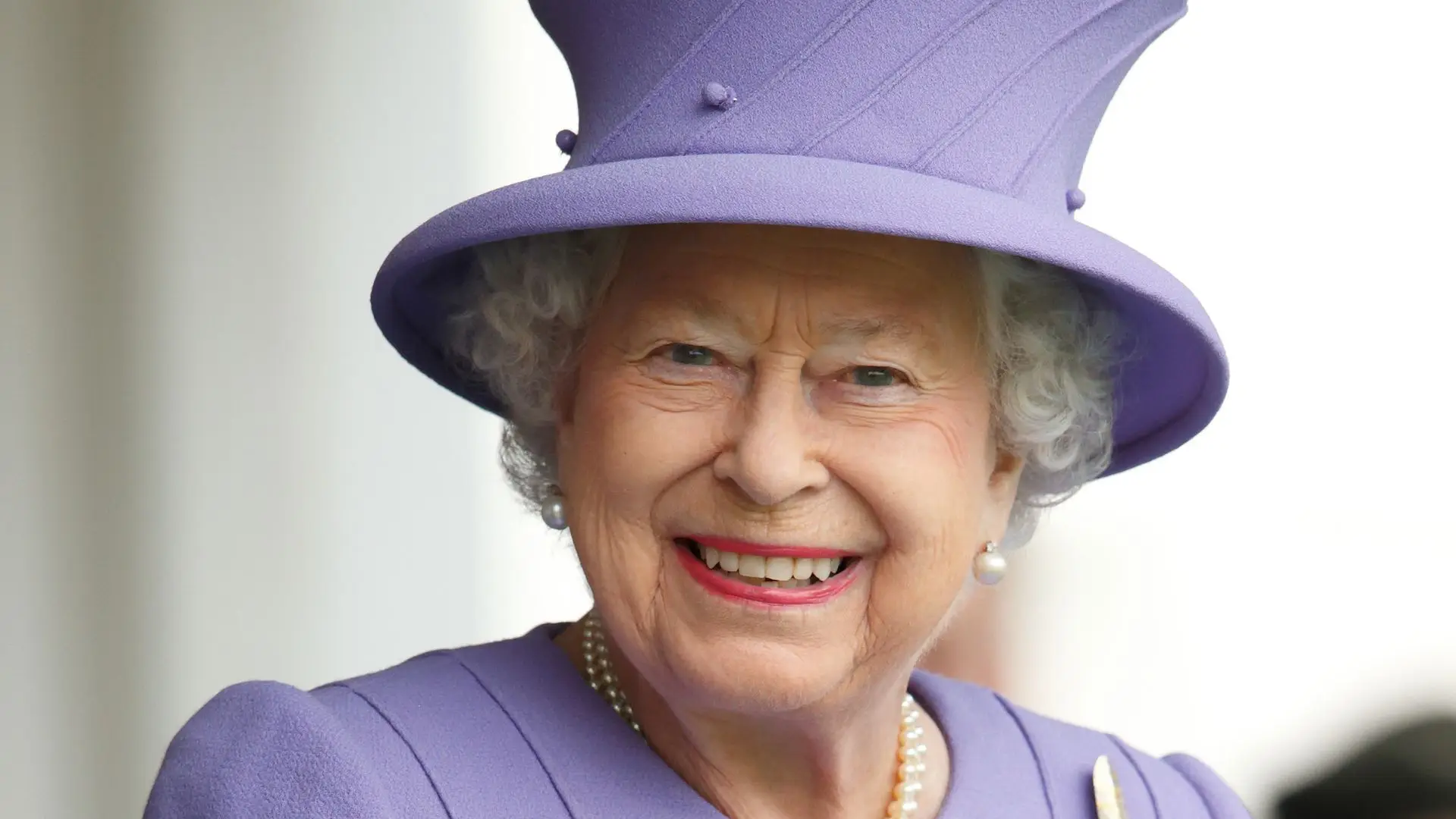
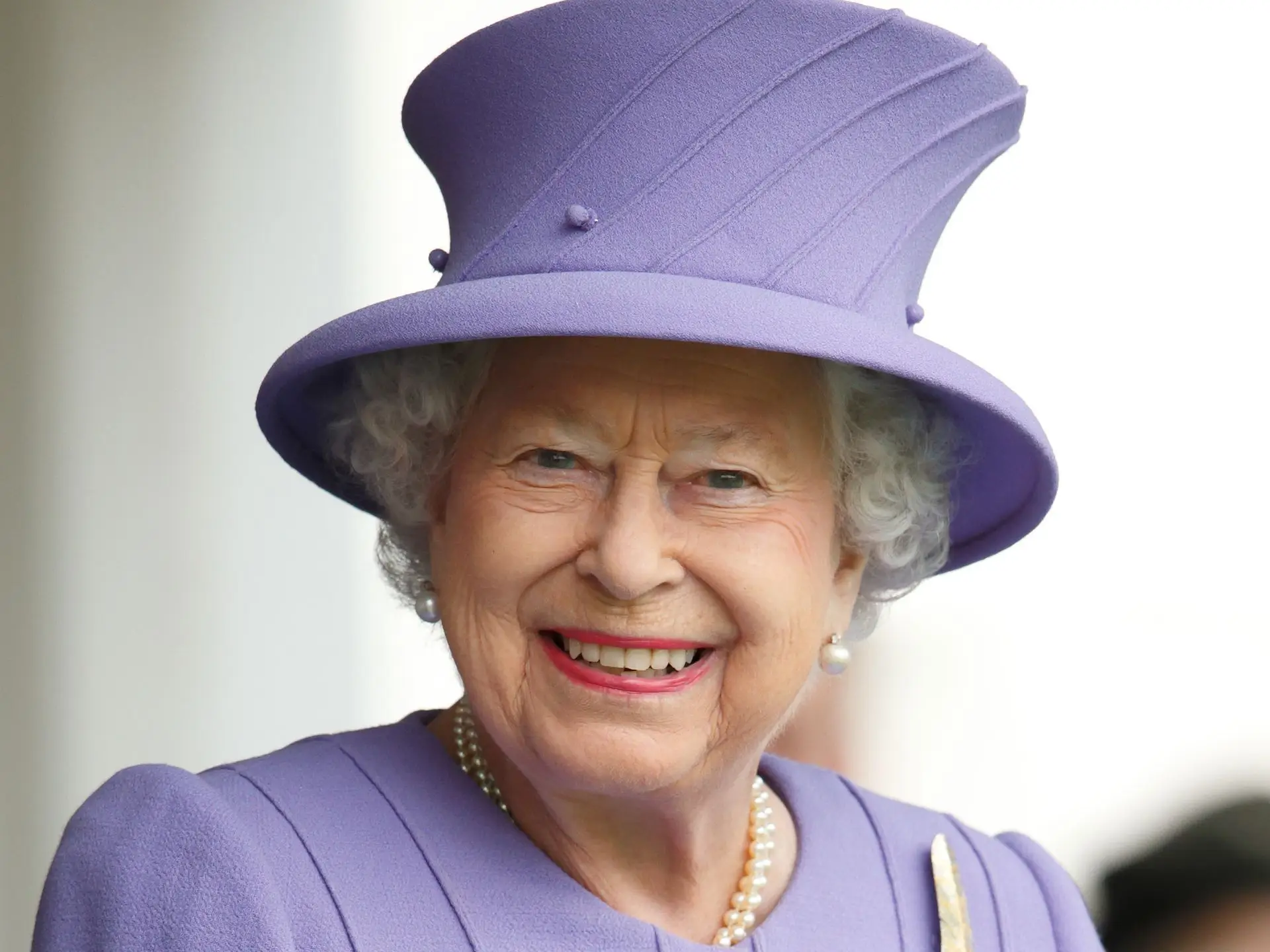
Featured image: Queen Elizabeth II attends the 2016 Braemar Highland Gathering at The Princess Royal and Duke of Fife Memorial Park on September 3, 2016 in Braemar, Scotland. There has been an annual gathering at Braemar, in the heart of the Cairngorms National Park, for over 900 years. The current gathering, in the form of a Highland Games and run by the Braemar Royal Highland Society (BRHS), takes place on the first Saturday in September and sees competitors in Running, Heavy Weights, Solo Piping, Light Field. Via original publisher. Image source