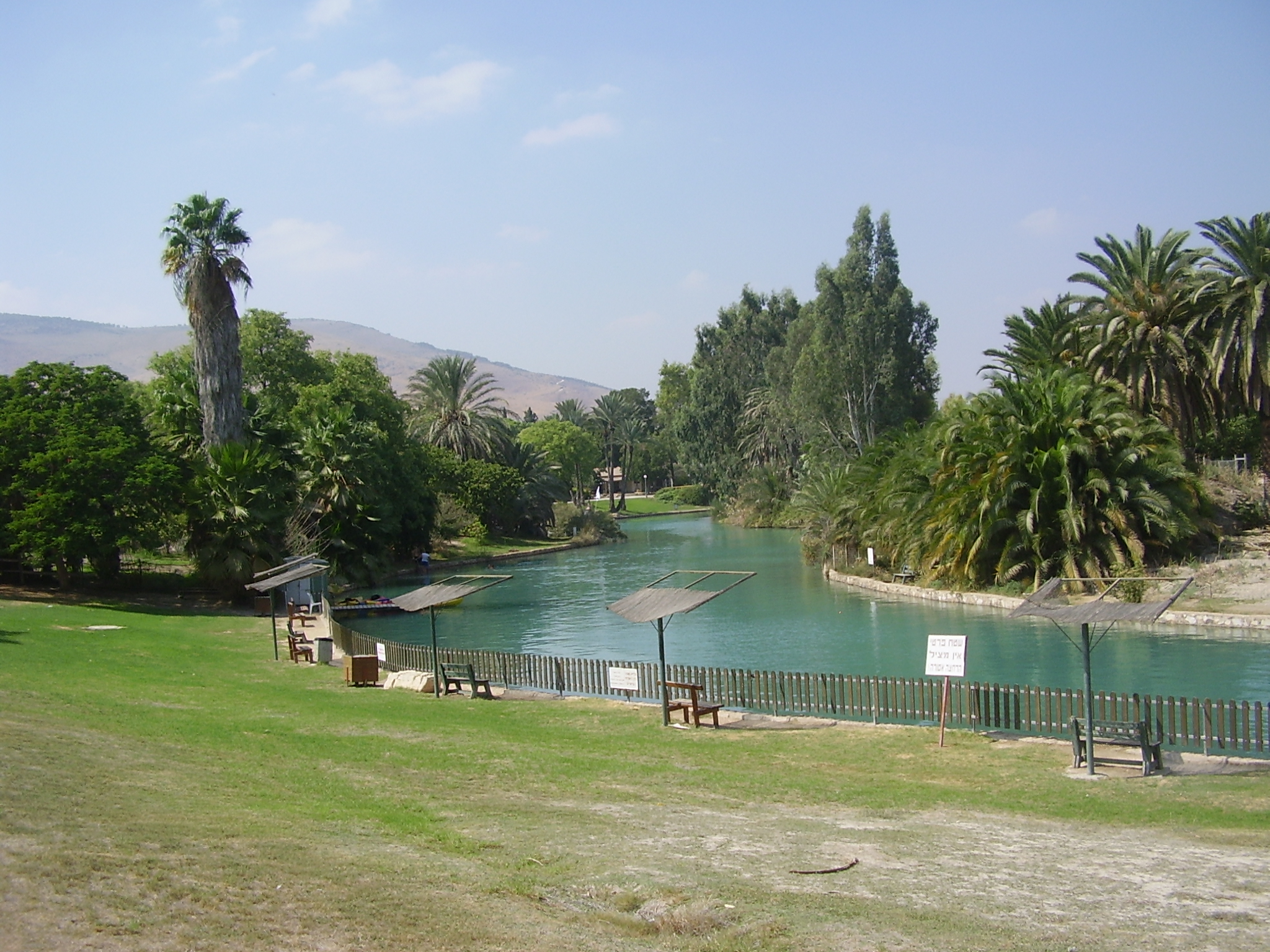
Three years after the Hamas-led attacks on 7 October 2023, residents of Kibbutz Nir Oz are still navigating the aftermath. The kibbutz, located just one mile from the Gaza border, was one of the most severely affected communities. Source: bbc.co.uk.
What Happened on 7 October 2023
On that day, an assault on Nir Oz occurred involving Palestinian fighters and civilian looters, some of whom were children. The attack targeted an unsuspecting community.
Residents and foreign workers were killed. Six had fled from a nearby party and were also killed.
People were kidnapped. Some bodies were found later. The last living hostages were returned to Israel. The remains of the last deceased hostage were brought back.
Personal Stories of Loss and Survival
Dalit Ram Aharon and her husband Achi survived the attack by hiding in their home shelter for nearly 12 hours.
They remember messages from Tamar Siman Tov, a neighbour, who wrote in a social media group: ‘Is everyone fine?’ Then: ‘They are shooting us.’ After that, her messages were filled with errors: ‘We are very injured.’
Israeli forensic experts later confirmed that Tamar and her family were shot through their bomb shelter — designed for rocket defense, not gunfire. The house was torched, and the children suffocated.
Shiri Bibas, a close friend of Dalit, was also taken hostage. She and her two sons were killed by a different armed group. Shiri was described as a ‘very happy person’ who lived a simple life.
Shiri’s husband, Yarden, was released in February 2025 during a Gaza ceasefire. The bodies of Shiri and her sons were found later that month, mutilated by their captors.
Physical and Emotional Destruction
Almost half of homes were burned. Nearly all households were penetrated by attackers.
Many homes were reduced to rubble. Only reinforced concrete safe rooms remain — structures that failed to protect residents.
Postboxes in the kibbutz bear stickers: red for those killed, black for those taken hostage. Dalit says one out of every four residents lost their lives.
Emi Palmor, director of the rebuilding project, says the kibbutz is the only place in Israel that must be completely demolished and replanned.

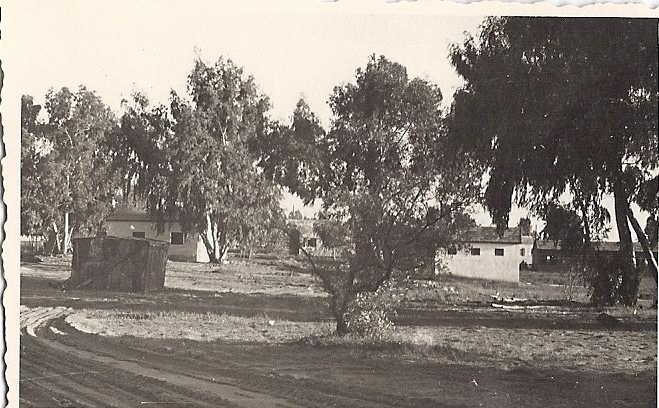
Rebuilding and Memory
Some former hostages have returned to live in Nir Oz. These include Gadi Moses, a co-founder, and Yair Horn, who now lives in a golf buggy nearby.
Dalit and Achi plan to return, not just for the physical place, but for the memory of their friends and family.
They say: ‘We’ll come back for the memory of Shiri and for the people that didn’t have the chance to live here, and for the memory of my parents, and to continue our roots, and for my children, because this is our home.’
They face a two-year wait for full reopening. The process involves balancing trauma with reconstruction.
Some residents want the destruction visible — as a reminder of what happened. Others fear that removing all evidence would create denial.
Emi Palmor says: ‘It’s a huge debate — a very painful debate. Some want serenity. Others want truth.’
Key Facts
- Residents and foreign workers were killed.
- People were kidnapped. Some bodies were found later.
- Postboxes mark those killed (red) and taken hostage (black).
- Only 20 homes have been rebuilt or renovated.
- Full reopening of the kibbutz is expected in two years.
The Israeli Defense Forces investigation found that the military failed to respond in time. The first soldiers arrived after the last attackers had left.
Residents say the attack was not just a military event — it was a violent, personal assault on a close-knit community.
Today, the kibbutz is quiet. Birds coo in empty dining rooms. Stray cats mew in the shadows. The greenery remains, but the lives within it are gone.
For survivors, returning to Nir Oz is not just about rebuilding a home — it is about honoring memory and resilience.
As Israel marks the third anniversary of the deadliest day in its modern history, the story of Nir Oz remains a powerful reminder of loss, survival, and the long road to recovery.
Source: BBC News, 7 October 2026
Original article on BBC News
Sources & further reading
Featured image: Kibbutz Nir David.JPG by Avi1111 dr. avishai teicher, CC BY 3.0, via Wikimedia Commons. Image source · License