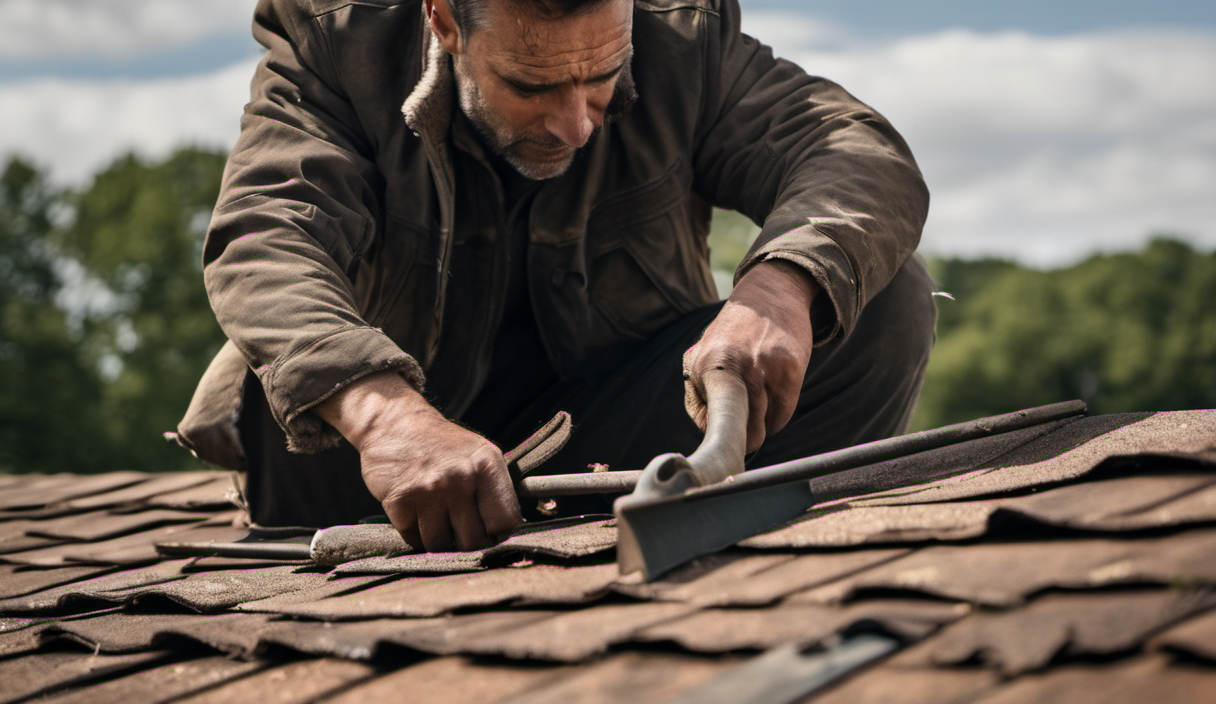
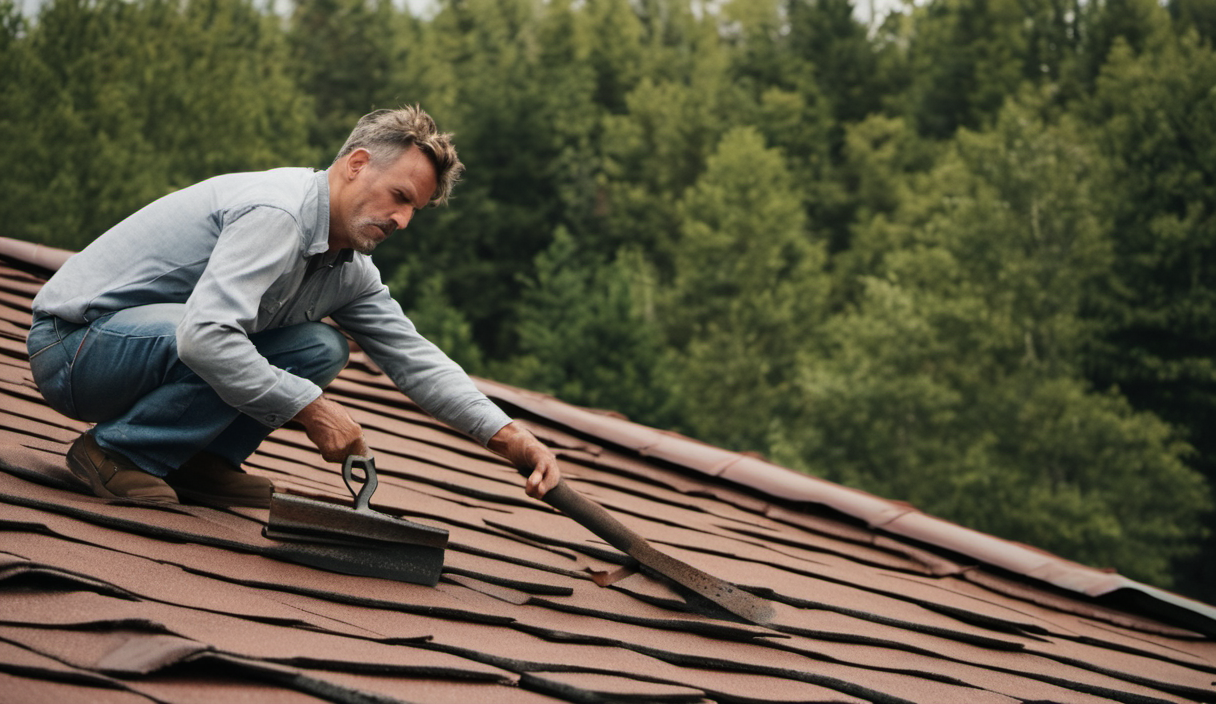
Featured image: A man is kneeling on a rooftop, working on a shingle. AI-generated image; not a photograph of the reported event.
Homeowners across the UK are being targeted by roofing scammers who charge thousands for work that is either not completed or done poorly. Source: bbc.co.uk.
What Happened
According to Citizens Advice, one in 10 scams reported to them over the past year involved roofing work.
These scams often begin with tradesmen offering to fix a leaking gutter or repair a damaged roof. The initial quote may seem reasonable—like £250 for a gutter fix—but quickly escalates.
Victims report being pressured into paying significantly more. In one case, a woman in northeast England was told there were further issues requiring £2,500 in work. An hour later, the same men claimed the problem was solved—but no work had been done.
She paid £3,500 and found no signs of any repair the next day.
Key Facts
- Complaints about roofing work were recorded by Citizens Advice.
- Of those, a number were suspected scams—up from the previous year.
- One in four complaints were suspected scams, making roofing the most common type of scam reported.
- Three-quarters of fraudsters use aggressive ‘doorstep’ tactics, including intimidation and pressure.
- Victims often report feeling afraid, especially when alone or in unfamiliar areas.
Why It Matters
Roofing work is often invisible and out of sight. Most people can’t easily inspect the quality of a roof from the outside.
Scammers exploit this gap. They present themselves as legitimate tradesmen and use urgency to pressure victims into paying without proper checks.
Once the work is done—or not done—damage can be severe. In one case, a rogue contractor removed lead from a chimney, causing bricks to fall into a neighbour’s attic and rain to enter the home.
Another homeowner reported that after a contractor left, heavy rain caused a waterfall effect down a wall.
What to Do to Avoid Scams
Citizens Advice recommends these steps to protect against roofing scams:
- Be alert: Always ask for references and require all agreements to be in writing.
- Gather evidence: Take photos before and after any work. Keep receipts and contracts.
- Know your rights: Under the Consumer Rights Act 2015, you can demand a refund or repair if work is not done with ‘reasonable care and skill’.
- Check the trader: Verify credentials through official trade bodies or local councils.
Expert Commentary
Dame Clare Moriarty, chief executive of Citizens Advice, said: ‘Scammers exploit the fact that roofs are out of sight and reach, knowing most people can’t easily inspect the work themselves.’
Lord Bichard, chair of National Trading Standards, described roofing fraud as ‘particularly cruel’. He said rogue traders are ‘criminals deliberately preying on people in their own homes’.
He added that Trading Standards will pursue fraudsters through legal routes, including prosecution and asset recovery.
Victims often lose life savings in hours and face long-term emotional distress. The damage to property and trust can last years.
Source: BBC News, Roofing scammers con homeowners out of thousands of pounds