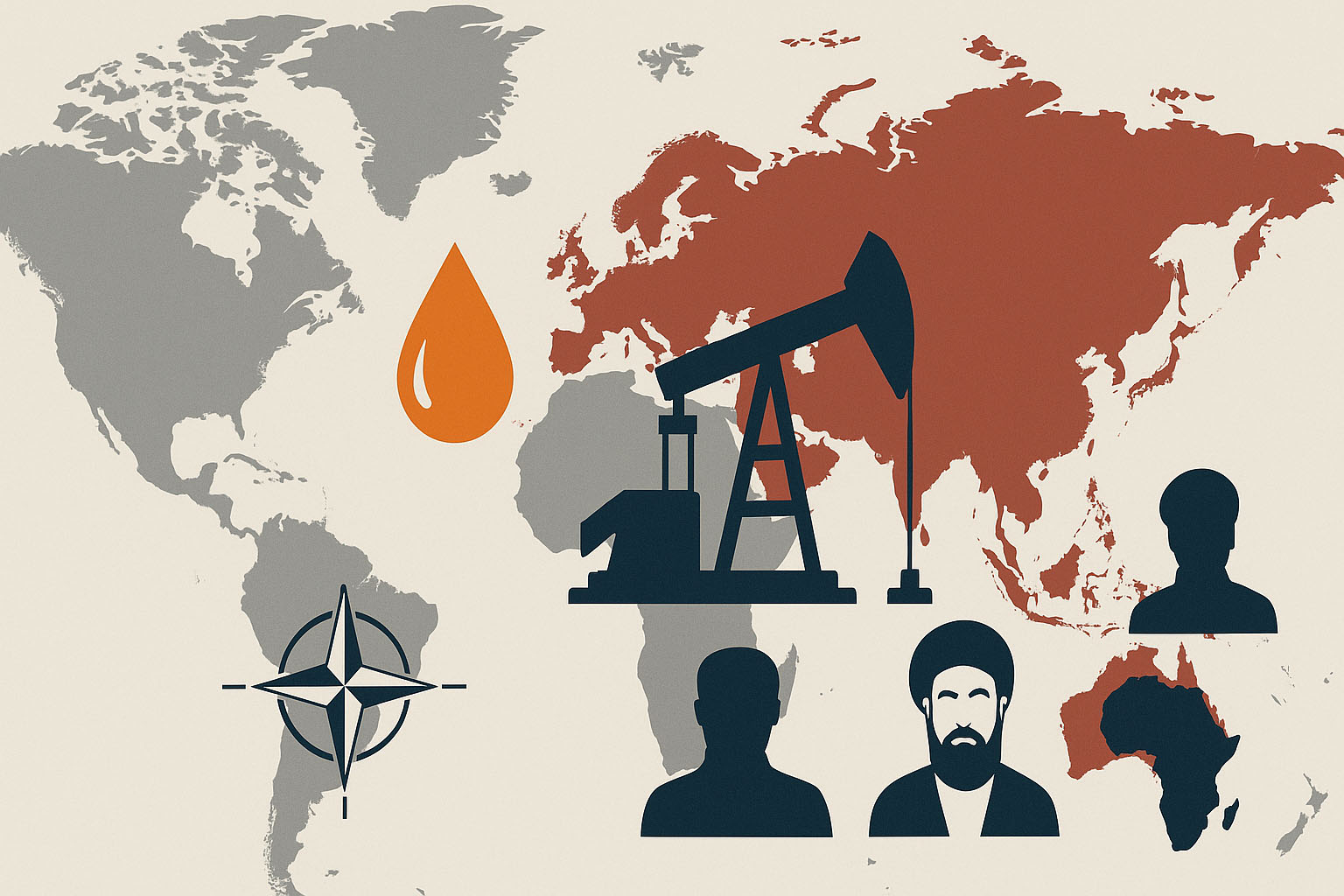
In 2025, Russia and Eastern Europe remain at the center of global political and economic turbulence. Despite heavy Western sanctions, military pressure, and diplomatic isolation, Russia continues to project influence using energy exports, strategic alliances, and military leverage.
The ongoing Ukraine conflict, NATO’s military buildup, and Europe’s push toward renewable energy all contribute to a fragmented geopolitical landscape. Understanding these dynamics is essential for predicting the future of security, trade, and stability in Europe.
🔥 Energy Politics: Russia’s Leverage vs Europe’s Transition
Russia has long used energy exports—oil and natural gas—as geopolitical tools. In 2025, sanctions and reduced European imports forced Moscow to redirect energy supplies:
- Pivot to Asia: China, India, and Southeast Asia have become Russia’s main buyers of crude oil and liquefied natural gas (LNG). Discounted Russian oil now undercuts global prices, reshaping energy markets.
- Pipeline Diplomacy: Russia expands pipelines eastward, particularly the Power of Siberia 2 project to China, ensuring long-term dependency.
- Europe’s Green Transition: The EU accelerates renewable energy, hydrogen projects, and LNG imports from the U.S. and Qatar, reducing reliance on Russian energy.
- Energy Weaponization: Moscow uses energy supply disruptions and pricing pressure to influence smaller Eastern European states still dependent on Russian fuel.
👉 Impact: Global oil and gas markets face volatility, with Russia sacrificing profits for influence while Europe pays high costs for diversification.
⚔️ Security Politics: Ukraine, NATO, and the Militarization of Europe
The war in Ukraine remains the defining security issue in 2025:
- Ukraine War: Russian military operations continue with heavy losses, while Western countries supply advanced weapons, drones, and cyber defense to Ukraine.
- NATO Expansion: Finland and Sweden’s NATO membership reshaped Northern European security, while Eastern states like Poland, Romania, and the Baltics receive unprecedented U.S. military support.
- Military Spending: NATO members significantly increase defense budgets, leading to militarization of Eastern Europe.
- Hybrid Warfare: Russia combines cyberattacks, disinformation campaigns, and covert operations to destabilize European democracies.
👉 Impact: Eastern Europe is more militarized than at any time since the Cold War, creating a permanent line of confrontation between Russia and NATO.
🌐 Strategic Alliances: Beyond the West
Sanctions pushed Russia into new geopolitical partnerships, especially with non-Western powers:
- Russia-China Axis: Moscow relies on Beijing for energy trade, technology imports, and financial systems bypassing the U.S. dollar. China gains cheap resources; Russia gains survival.
- Iran Partnership: Military cooperation deepens, including drones, missile systems, and shared strategies against Western influence in the Middle East.
- Africa Outreach: Russia expands presence in Africa through Wagner Group successors, arms deals, and mining contracts (gold, uranium). This secures influence in UN votes and resource markets.
- BRICS+ Influence: Russia promotes multipolarity via BRICS+ and the Shanghai Cooperation Organisation, challenging U.S.-EU dominance.
👉 Impact: Russia avoids isolation by embedding itself in a new non-Western bloc, though at the cost of dependency on China and unstable partners.
💶 Europe’s Fragmentation and Security Costs
Europe’s response to Russia is united in principle but fractured in execution:
- Energy Divide: Western Europe invests heavily in renewables, while Eastern Europe struggles with high costs and continued Russian fuel dependency.
- Political Strains: Populist and pro-Russian parties gain traction in Hungary, Slovakia, and parts of Germany, undermining EU unity.
- Economic Burden: Defense spending, refugee support, and high energy costs weigh heavily on European economies.
- Security Dependence: NATO’s role grows, but Europe debates whether long-term reliance on the U.S. is sustainable.
👉 Impact: Europe remains strong against Russia but risks internal fragmentation over energy, defense, and migration.
📊 Summary: Russia & Eastern Europe 2025
| Factor | Russia’s Strategy | Europe’s Response | Global Impact |
|---|---|---|---|
| Energy Politics | Pivot to Asia, discount oil, pipeline diplomacy | Renewables, LNG imports, green energy | Market volatility, high costs |
| Ukraine & NATO | Military persistence, hybrid warfare | NATO expansion, rearmament | Militarized Eastern Europe |
| Strategic Allies | China, Iran, Africa partnerships | EU-U.S. sanctions, isolation | Rise of multipolar blocs |
| European Unity | Exploits divisions, supports populism | EU green transition, defense integration | Risk of fragmentation |
✅
In 2025, Russia’s survival strategy combines energy leverage, military persistence, and non-Western alliances. While sanctions isolate Moscow from Europe, they also push Russia deeper into China’s orbit and toward alternative global partnerships.
For Europe, the cost of defending against Russia—militarily, economically, and politically—is reshaping the continent’s future. The result is a fractured Europe, a multipolar world, and an unstable energy market where Russia remains both a threat and a crucial player.
🌍 The question is no longer whether Russia can be contained—but whether Europe and the West can sustain the financial, military, and political burden of permanent confrontation.