Featured image: A medium shot of a modern, empty conference room. AI-generated image; not a photograph of the reported event.
During talks in St. Petersburg, Russian President Vladimir Putin announced the release of American citizen Stephen Hubbard, who had been detained by Russian forces. The announcement came during a meeting with US special envoy Steve Witkoff.
What Happened
Putin and Steve Witkoff met in St. Petersburg on Wednesday. Putin confirmed Hubbard was released and was at the airport. Witkoff said Hubbard is now ‘going home to his family.’
The release occurred during broader discussions about a potential peace deal between Russia and Ukraine. Witkoff presented ideas for a post-conflict security system. He said the proposals would be shared with Russian officials.
Key Facts
- Stephen Hubbard was detained by Russian forces on mercenary charges. He denies the accusation, saying he worked on a humanitarian project in Ukraine.
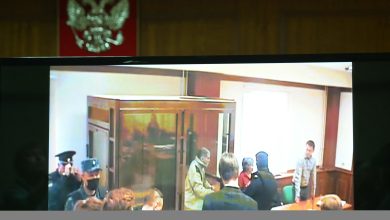
- Hubbard was sentenced to seven years in prison in a closed 2024 trial. The trial had no public access or legal representation.
- Putin called the release a goodwill gesture to the Trump administration. It may signal a shift in US-Russia relations.
- US President Donald Trump said he personally asked Putin for the release during a phone call. He claimed no trade-off was needed.
- Trump said no ‘swap’ was involved — a rare move in US-Russia diplomacy. This suggests a break from traditional practices.
- Trump said he received apologies from ‘numerous people’ after suspending new sanctions. He said the pause was necessary for talks to continue.
- Putin agreed in principle to resume peace talks after November 10. The talks would focus on a post-conflict security system for Russia and Ukraine.
- Putin proposed that Witkoff discuss restoring US-Russia ties. This includes reestablishing diplomatic channels and economic cooperation.
- Yuri Ushakov, Putin’s foreign affairs adviser, said a possible trilateral meeting between Trump, Xi Jinping, and Putin in Beijing is being prepared. This would be the first such meeting among the three leaders.
Background: The Talks
Before the St. Petersburg meeting, Witkoff met with Ukrainian President Volodymyr Zelenskyy in Norway. Zelenskyy called the meeting ‘positive.’ He said the talks with Putin could be ‘productive’ and lead to real progress.
During a Fox News interview, Zelenskyy stressed the need to freeze the front line. He said, ‘Right now we have to freeze, and I think this is the real way to end this war. We call it ceasefire — freeze and stop.’
After the talks, the Kremlin said Witkoff’s proposals ‘lacked substance’ and would not help in peace negotiations. Still, Putin said the discussion was a step forward and that dialogue remains essential.
Why It Matters
The release of Stephen Hubbard is a symbolic gesture to the Trump administration. It may signal a shift in US-Russia diplomacy, especially in Ukraine peace efforts.
It shows growing diplomatic engagement. US and Russian officials are now discussing peace mechanisms and bilateral ties. China’s involvement adds complexity, as Beijing has often balanced its relations between the US and Russia.
European leaders, including German Chancellor Friedrich Merz, said any Ukrainian surrender would be ‘a capitulation by all of us.’ This shows strong regional support for Ukraine’s sovereignty.
Witkoff is expected to return to Oslo. Norwegian Prime Minister Jonas Gahr Store said this may mark a phase where Russia is actively seeking diplomacy.
Limitations and Open Questions
The Kremlin has not confirmed the substance of Witkoff’s peace proposals. The ideas remain vague, with no details on timelines or enforcement.
Russian Foreign Minister Sergey Lavrov said Moscow is open to listening. But he does not expect ‘miracles.’ This shows skepticism about rapid peace progress.
Trump wants Zelenskyy to ‘make a deal,’ but no agreement has been reached. The role of China remains unclear. There is no public confirmation that the Beijing meeting will happen or include all three leaders.
It is unclear whether the sanctions suspension was a strategic choice or a temporary pause. This leaves uncertainty about the long-term path of US-Russia relations.
What to Watch Next
Key developments include:
- The outcome of the next round of talks between Witkoff and Putin.
- Whether the trilateral meeting between Trump, Putin, and Xi will take place.
- How Ukraine responds to ceasefire proposals.
- Whether the US resumes sanctions on Russia or keeps the current pause.
For more on this development, see our coverage of the release of Stephen Hubbard: Russia Releases U.S. Citizen Stephen Hubbard After Trump Request.
Original source: DW News