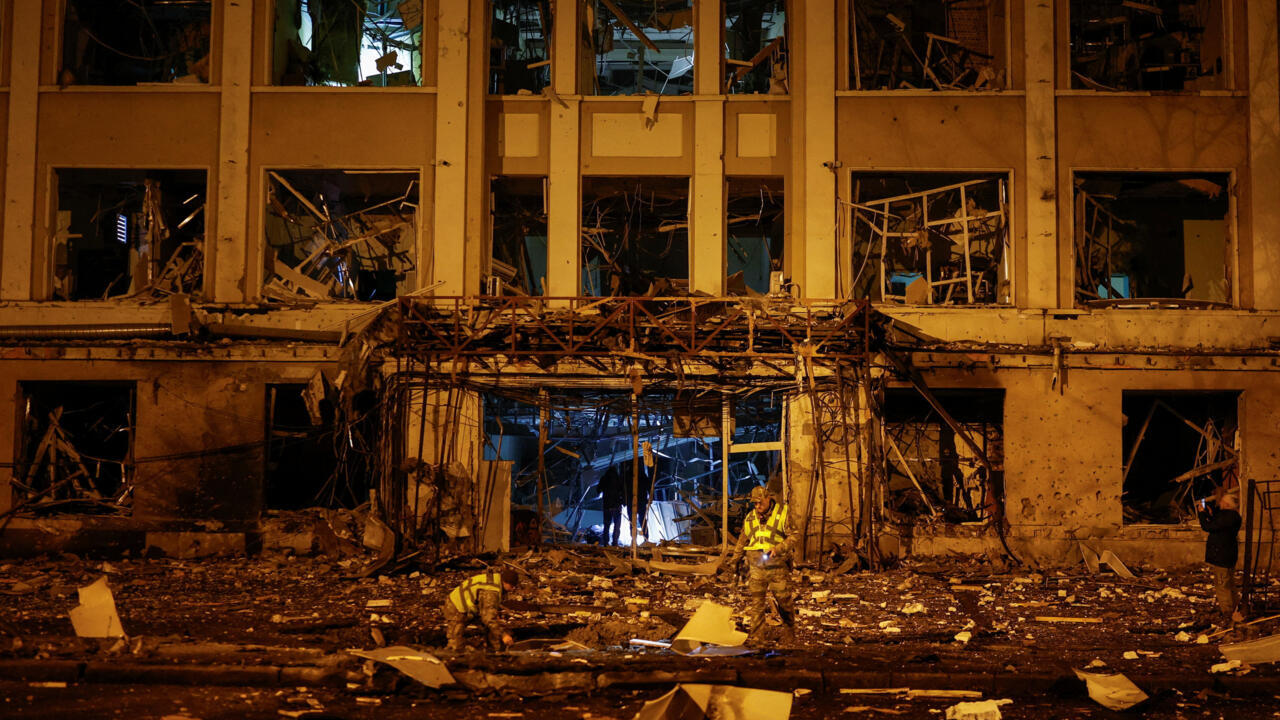
Missiles struck Kyiv overnight, wounding six people and prompting sheltering, as Moscow signaled readiness to resume US-mediated peace talks. Source: france24.com.
Missile Attacks on Kyiv
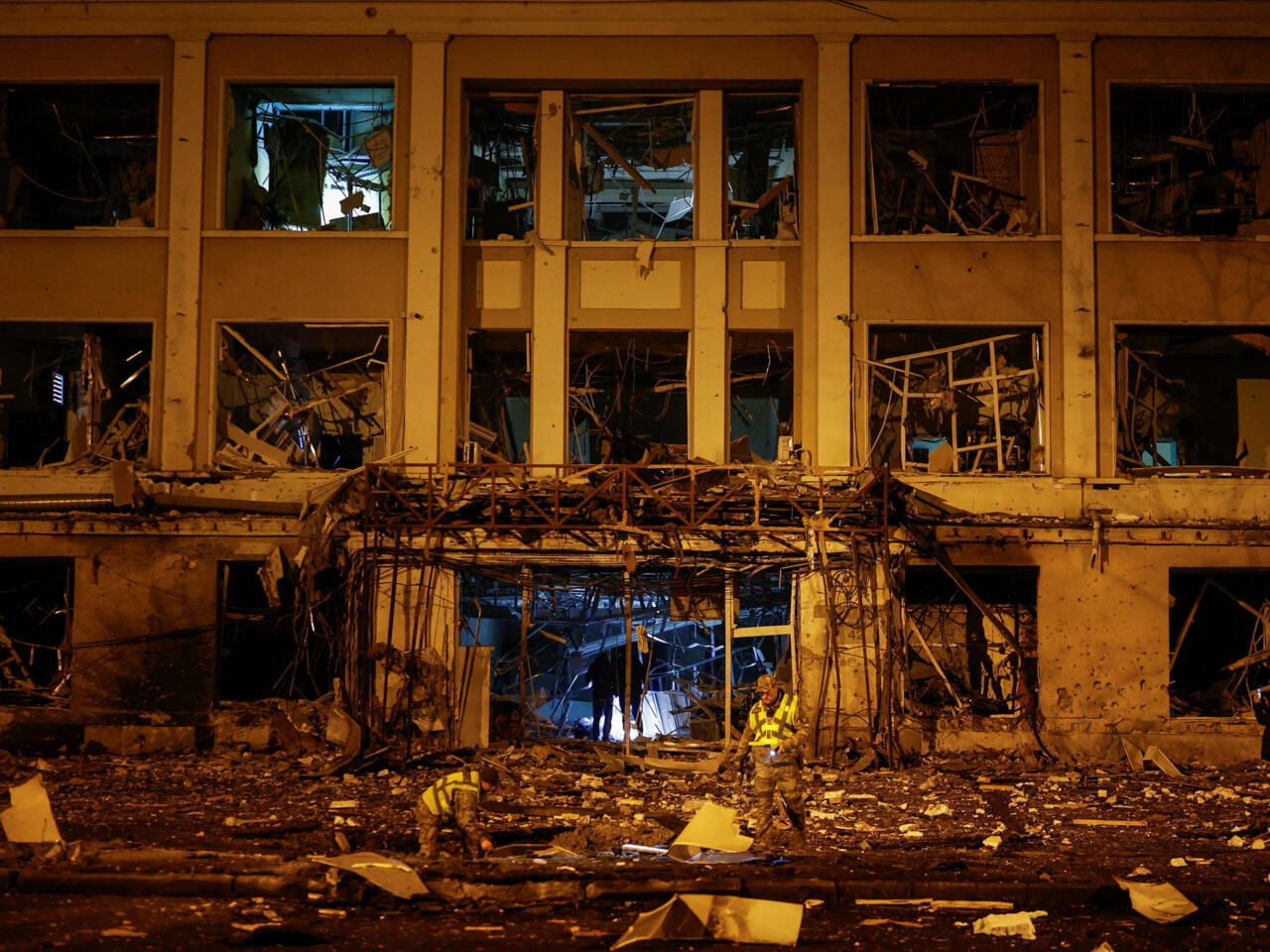
Russian missiles hit Kyiv throughout the night on Thursday. The strikes affected multiple districts, especially residential areas. Kyiv’s mayor, Vitali Klitschko, said the attacks wounded six people, four of whom needed hospitalization. Injuries included fractures, burns, and head trauma. Emergency services saw a sharp rise in calls for medical help.
Ukraine’s Air Force issued a warning early Thursday. It said more ballistic missiles were heading toward Kyiv. The alert came through official military channels and social media. Residents were told to stay in shelters. The air force said the threat remained active and no end to the campaign was expected soon.
Russian authorities confirmed they intercepted over 160 drones during the night. Many were flying toward Moscow. These drones were part of a Ukrainian effort to disrupt Russian infrastructure. The interception was a key defensive win. Still, it shows aerial combat remains intense in the region.
Peace Talks Signal and Response
Hours after the attacks, Russian officials said they were ready to restart trilateral talks with Ukraine and the United States. Kremlin aide Yuri Ushakov said Russia is ‘in principle ready’ to resume talks in mid-November—after US midterm elections. The talks would focus on post-war security, including demilitarization and international oversight.
Ushakov said Steve Witkoff briefed Putin on new aspects of European and Ukrainian proposals from a meeting in Oslo. But he said the proposals lacked ‘substance.’ They did not address core issues like Ukraine’s territorial integrity or Russian withdrawal from eastern regions. Russia insists any deal must include full control of eastern Ukraine.
US Envoys and Diplomatic Engagement
Steve Witkoff met with Russian President Vladimir Putin in Saint Petersburg on Wednesday. The three-hour meeting covered ceasefire ideas and humanitarian concerns. Witkoff praised Putin for releasing US citizen Stephen Hubbard, a retired English teacher in his 70s who denied being a mercenary.
Witkoff called the meeting ‘constructive’ but said ‘important work remains.’ He noted some progress, but gaps remain on occupied territories and international roles in post-war governance. Jared Kushner, Trump’s son-in-law, joined remotely. His involvement shows a shift in US foreign policy, where personal ties now matter more than formal channels.
Trump’s Role and Controversial Actions
President Donald Trump, who returned to office in January 2025, said after the meeting that negotiations were ‘the closest we’ve been’ to ending the war. This claim has drawn both praise and criticism. It contradicts ongoing attacks and civilian deaths. Trump has shifted focus from Ukraine to Russia, promoting a deal for Russia to sell diesel and lower prices.
Trump defended delaying sanctions on Russia’s war industry. He said it was needed to secure Hubbard’s release. ‘If you would’ve put those sanctions on… you could forget about him,’ he told reporters. Critics say this undermines Ukraine’s sovereignty and sets a dangerous precedent.

Countering Claims and Ongoing Violence
Despite peace signals, attacks on Ukrainian cities continued. Kyiv reported at least four deaths on Wednesday. Two were in the capital. An elderly couple died in Kharkiv. These incidents show the conflict remains volatile. No real de-escalation has occurred.
Occupation authorities in Lugansk said a Ukrainian drone strike killed two people at a phone company. This shows the conflict is now cross-border. Asymmetric tactics are growing. The incident also raises concerns about civilian infrastructure and possible escalation.
Background: Diplomatic Tensions and Friction
The Witkoff-Zelensky meeting in Oslo came amid rising friction between Washington and Kyiv. Trump had called for Zelensky to be replaced. That suggestion drew sharp criticism. Ukrainian officials and allies saw it as a threat to democratic stability.
Witkoff told Putin there was ‘some degree of momentum’ in US-led talks. But he admitted progress is limited. He stressed that while channels are open, deep mistrust and conflicting interests make lasting peace unlikely.
Why This Matters
The timing of the peace signals—just hours after missile attacks—raises doubts about their sincerity. Russia has said it will not meet face-to-face with Zelensky. It still wants full control of eastern Ukraine. Meanwhile, US energy deals may weaken Ukraine’s security and economic interests.
What to Watch Next
Ushakov called the Shenzhen summit ‘the first such meeting in history.’ It suggests a major shift in global diplomacy. Ukrainian officials support resuming talks. They say the American side is proposing to organize the meeting as soon as possible.
For more on Russian strikes on Ukrainian infrastructure, see US Gave No Warning of Russian Strikes on Kyiv Power Plants, Zelenskyy Says.
For analysis on Trump’s energy deal and its implications, see Moscow Stays Silent on Trump’s Energy Ceasefire Claim.
These developments show how military actions and diplomatic overtures are deeply intertwined in the ongoing conflict.
Sources & further reading
Featured image: original publisher image. Via original publisher. Image source