Interior designer Sarah Sherman Samuel has reimagined a classic design element: mosaic parquet flooring. Source: domino.com.
What Is Parquet Flooring?
Parquet flooring traditionally uses wood strips arranged in geometric patterns, often in a basketweave layout. The pattern is typically made from small, square tiles.
It has long been associated with formal spaces like dining rooms and entryways. In older homes, it often appears in small-scale installations.
Samuel’s Modern Take
Samuel, known for her work in mid-century modern design, sees value in revisiting familiar forms with fresh perspectives.
She partnered with Austin-based flooring company Stuga to explore a larger-scale version of parquet.
Stuga produces engineered hardwood with non-toxic finishes and precise joinery. The company specializes in Scandinavian design principles.
Large-Format Tiles
Samuel collaborated with Stuga to use 8- and 12-inch square tiles instead of the traditional small blocks.
The wood grain is oriented in alternating directions, creating a dynamic interlacing effect.
This larger scale gives the pattern a more contemporary feel without sacrificing its visual character.
Where Can It Be Used?
Traditionally, parquet is reserved for formal areas. Samuel, however, suggests using it in unexpected places.
- Bedrooms
- Offices
- Entire homes
She emphasizes that the success of the design depends on how the scale interacts with room architecture.
In larger rooms, the pattern unfolds naturally and becomes a subtle architectural feature.
In smaller spaces, it adds rhythm and visual interest.
Design Flexibility
Samuel didn’t limit the application to floors.
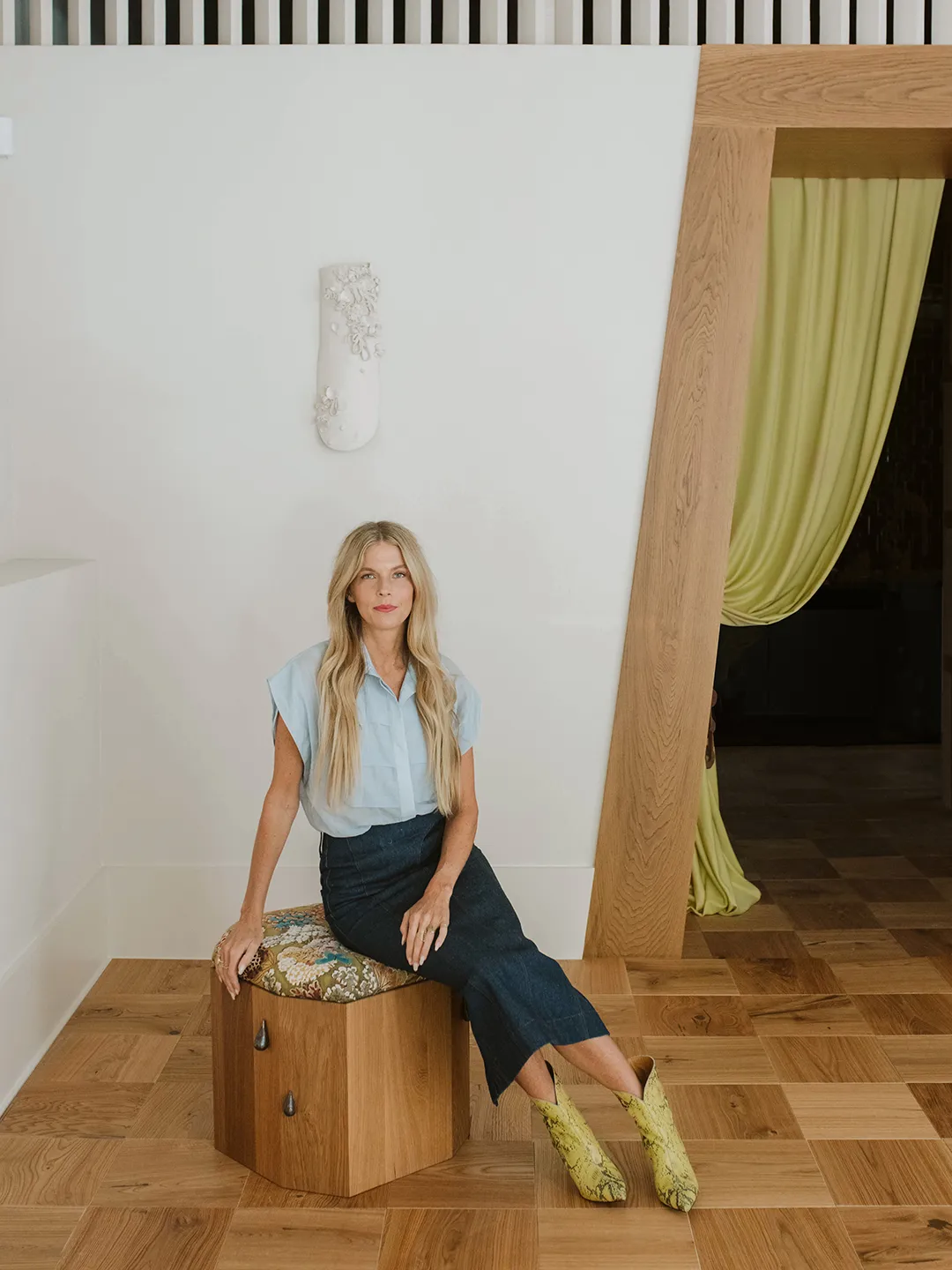
She used Stuga’s material as wall cladding in her own home, showing how the design can extend beyond flooring.
Stuga offers two collections: Afterwork Bloks and Shell Bloks.
- Afterwork Bloks: $35 per square foot
- Shell Bloks: $30 per square foot
Both collections use the same wood and finish, allowing for consistent design language across surfaces.
Why This Matters
Samuel’s approach shows how classic design elements can be updated for modern living.
It challenges the idea that traditional patterns must be small or formal.
By scaling up, parquet becomes more accessible and versatile in today’s homes.
Designers and homeowners alike can now consider parquet not just as a historical feature, but as a functional and expressive element.
The collaboration between Samuel and Stuga highlights a growing trend: reinterpreting heritage materials through contemporary design principles.
For those interested in this style, the Stuga website offers more details on patterns and materials.
Visit Stuga’s studio page to explore their full range of designs, including family-inspired patterns.
Samuel’s design philosophy is also featured in her book, Mid-Century Michigan Ranch, available at domino.com/design-inspiration/sarah-sherman-samuel-book-mid-century-michigan-ranch/.
While parquet has a long history, its modern revival reflects a broader interest in material authenticity and craftsmanship.
Stuga’s products are engineered to be durable and sustainable, with finishes that avoid harmful chemicals.
These features make them suitable for homes that prioritize both aesthetics and environmental responsibility.
Sources & further reading
Featured image: woman on stool. Via original publisher. Image source