Small changes to how you manage your home heating can save money and improve energy efficiency.
Use Smart Thermostats for Better Control
A smart thermostat connects to the internet and lets you control your heating remotely via a mobile app.
It can be programmed to turn off or reduce heat when you’re away — for example, before leaving home or going to sleep.
Features vary: some models offer multi-room control, hot water settings, and geofencing to detect your location.
- Costs range from £60 to £250, depending on the model.
- Some can be fitted without help.
- Others require professional installation.
Energy suppliers like Octopus Energy offer discounts through partnerships. For instance, tado° products are up to 50% off — a Wireless Smart Thermostat X Starter Kit is £112, down from £159.99.
Lower Your Thermostat Settings
Reducing the temperature can save energy and lower bills.
According to the Energy Saving Trust, every degree you lower your thermostat saves about 10% on energy bills.
Citizens Advice advises that people with health conditions or the elderly should not set the temperature below a certain level.
Turning heating off entirely can lead to mould and damp — a longer-term cost and health risk.
Optimize Boiler Settings
If you have a combi boiler, you can lower its flow temperature — that is, the temperature of the water flowing out and to the radiators.
This can reduce gas usage without noticeably affecting comfort, especially in homes with well-sized radiators and good insulation.
For system boilers or hot water cylinders, EDF Energy advises seeking professional help before making changes.
The charity Nesta offers an interactive tool to guide users through adjusting boiler settings. It recommends taking a photo of current settings before making changes.
Adjust Radiator Valves
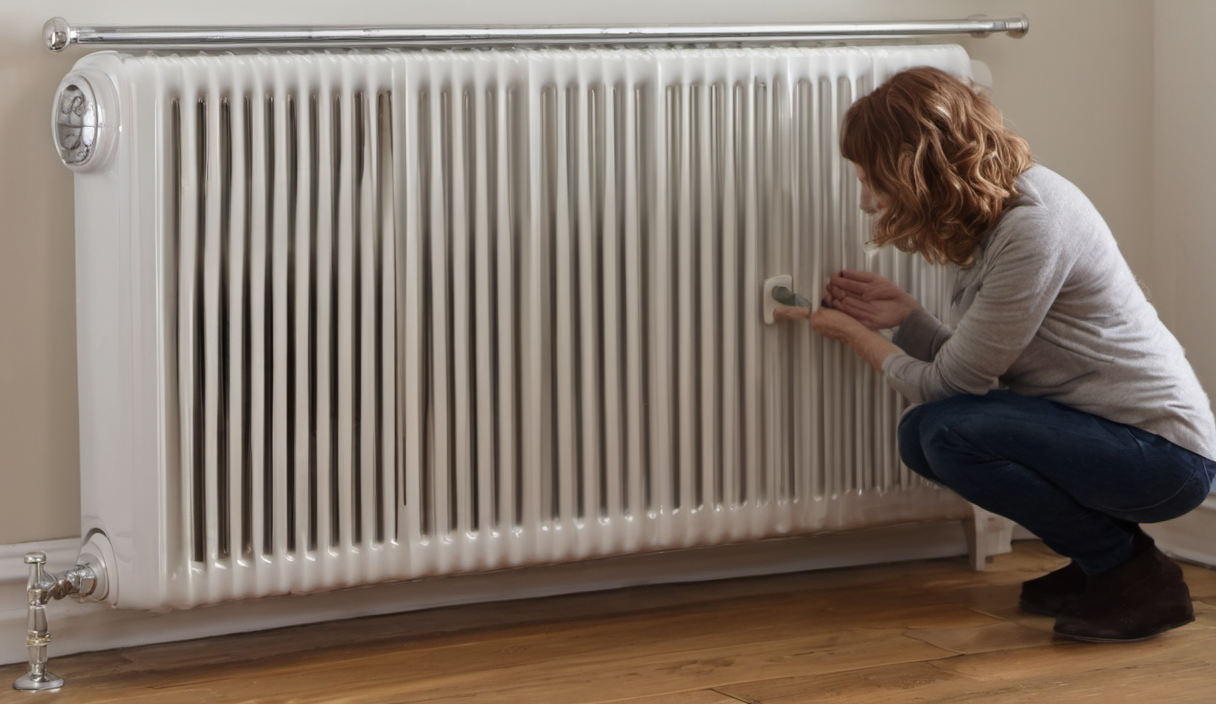
Thermostatic radiator valves (TRVs) allow you to control heat in individual rooms.
TRVs range from 0 (off) to 6 (fully open). Experts suggest setting them to the lowest comfortable level — such as 3 or 4 in frequently used rooms, and 2 or 3 in others.
Adding TRVs to a system with a programmer and thermostat can save a household money annually.

Experts advise against turning off heating entirely — it increases risk of damp and mould, which can worsen respiratory conditions.
Use Reflectors to Improve Heat Distribution
Place foil reflectors behind radiators to redirect heat into the room instead of letting it escape through walls.
Up to 35% of heat is lost through external walls — reflectors help counter this.
Reflectors are affordable and easy to install. Options include:
- Screwfix: 1.88 sq m roll
- B&Q;: 5 sq m roll
- Amazon: 15 sq m roll
Always ensure radiators are off and cool before applying.
Service Your Boiler Regularly
A boiler service improves efficiency and extends lifespan by catching minor issues.
Unserviced boilers can use up to 10% more energy than maintained ones.
Standard services cost between £70 and £110.
Some energy providers, like British Gas, offer annual care plans. However, Which? warns that monthly costs may exceed the price of an annual service.
If you rent, your landlord is legally responsible for annual boiler servicing — for gas boilers by a Gas Safe engineer, and for oil boilers by an Oftec-certified engineer.
Why These Steps Matter
These practical steps reduce energy waste without sacrificing comfort or safety.
They are backed by consumer experts and energy charities, including the Energy Saving Trust and National Energy Action.
For households on tight budgets, simple actions like adjusting thermostats or using reflectors offer immediate savings with minimal cost.
Source: The Guardian, Use smart tech, turn heat down, service boilers: how to save money on energy bills
For more tips on managing household spending, explore our student money tips guide.
Sources & further reading
Featured image: Garrison solar panel infrastructure supports energy demands and saves money… by U.S. Army USAGW by Connie Dickey, Public domain, via Wikimedia Commons. Image source