Scientists have created a synthetic organism called a ‘planimal’ by fusing DNA from hamster cells and algae. The result is a hybrid cell that retains algal genetic material across more than 150 generations of cell division. Source: sciencealert.com.
What Happened
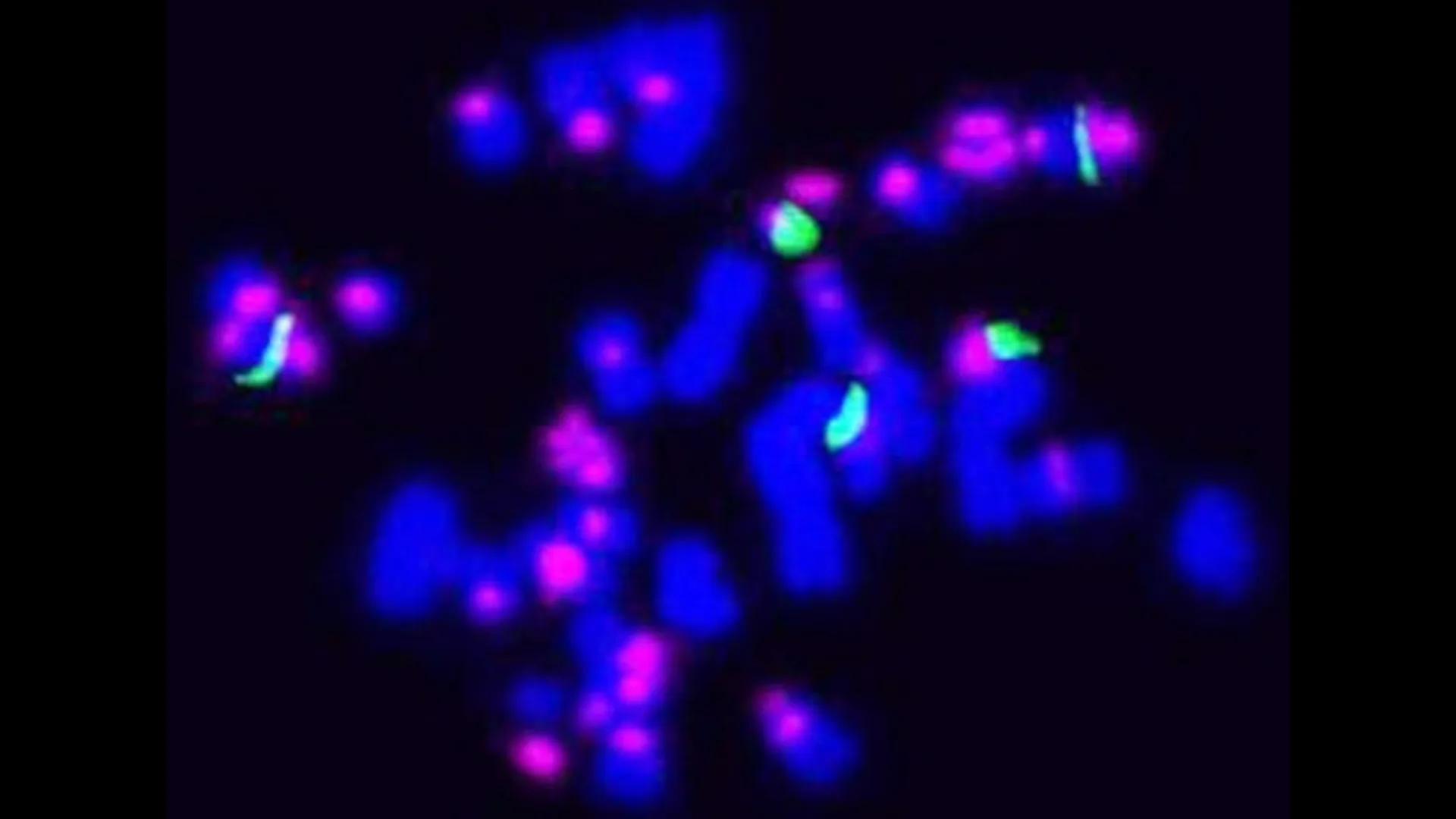
Biologist Sachihiro Matsunaga of the University of Tokyo led a team that fused hamster and algal DNA in a lab. The hybrid cells are called ‘planimals’ and were created using two methods.
The first method mimics phagocytosis — a natural process where one cell engulfs another. Researchers simply placed hamster and algal cells together and waited to see if they fused.
A second method used polyethylene glycol (PEG). This chemical disrupts cell membranes, allowing the cells to merge more easily. This method increased success by about 800 times compared to phagocytosis.
Key Facts
The planimal cells retain nearly an entire algal genome over many generations. This shows genetic material from distantly related species can be stably passed on.
- The planimal cells retain nearly an entire algal genome over many generations.
- The algal genome used is compact and includes metabolic genes absent in animal cells.
Most algal genes remain inactive. The cells do not perform photosynthesis and still rely on external nutrients and lab conditions.
How It Works
The research draws on endosymbiosis — a process where one organism lives inside another, leading to genetic integration. This explains how plant chloroplasts originated from free-living cyanobacteria.
Scientists found a natural example in Hatena arenicola, discovered in 2000 on a sandy beach in Wakayama, Japan. This single-celled organism hosts photosynthetic algae inside its cell. The algal chloroplasts are enlarged, and other organelles are reduced — showing deep integration.
Matsunaga first proposed ‘planimal’ in 2018 to describe artificial cells combining animal and algal DNA for plant-like traits like photosynthesis. The idea was inspired by both chloroplast origins and Hatena arenicola.
Why It Matters
This research answers key questions: Can genetic material cross species boundaries? Can animal cells maintain foreign DNA without losing function?
Long-term goals include enabling animal cells to photosynthesize. Such cells could produce oxygen and organic compounds from sunlight and carbon dioxide — useful for space missions or sustainable food systems.
Matsunaga says the ultimate goal is to activate dormant algal genes so animal cells can produce oxygen and useful molecules through photosynthesis. This represents a major step in synthetic biology.
Limitations and Open Questions
Most algal genes remain inactive. The cells do not perform photosynthesis.
They still depend on external energy and nutrients. No molecular mechanism has been found to activate algal metabolic pathways in the animal cell.
The cells are not yet functional organisms with plant-like abilities. They remain in lab settings and require constant monitoring.
What to Watch Next
Future work will focus on activating dormant algal genes. Researchers aim to use targeted systems or epigenetic triggers to turn on specific algal metabolic pathways.
This could involve engineering algal transcription factors into the hamster cell environment. Such progress might one day support life in space or reduce energy use in agriculture.
The research builds on natural examples like Hatena arenicola, showing how endosymbiosis shaped life on Earth and how similar processes can be replicated in labs.
For more on similar scientific advances, see Scientists Create Rechargeable Battery Using Vitamin B12.
Sources & further reading
Featured image: Scientists Create a 'Planimal' by Fusing Hamster And Algae DNA. Via original publisher. Image source