A confidential settlement has been reached in a lawsuit involving four women who allege a connection between their use of chemical hair relaxers and diagnoses of gynecologic cancers.
What Happened in the Case
The legal action began in Cook County, Illinois, with a trial scheduled to begin last week.
Four women—MaryAnne Lindsey, Surenthia Jenkins, Miranda Lofton, and Sandra Simpson—reached settlements with defendants, including L’Oréal USA, the U.S. subsidiary of the global beauty conglomerate.
The settlements are confidential. No financial details have been disclosed.
A spokesperson for L’Oréal USA said the company stands by the safety of its products, including the SoftSheen-Carson line, named in the complaints.
The women’s attorneys said the plaintiffs trusted marketing claims about safety. They said the women faced serious health consequences as a result.
Legal Representation’s Perspective
Danielle Ward Mason, the attorney representing the women, said the case was prepared to go to trial.
She said the women stood firm throughout the process. She expressed pride in the outcome.
She stated: ‘Our goal has been to make sure women harmed by these products are heard and compensated, and that the companies that put them on the market are held accountable.’
Mason added that the settlement offers some justice for the women. She stressed that the work is not done. She said: ‘Every woman harmed by these products deserves justice, and the next generation deserves real protections and honest warnings about their safety.’
She also said: ‘Our team came to Cook County ready to put these cases in front of a jury, and I’m incredibly proud of how hard everyone fought and of the result we achieved for these clients. I hope this resolution gives these four women a sense of justice after everything they have been through.’
Background: The Broader Legal Landscape
Recent research has linked chemical hair relaxers to increased risks of ovarian and uterine cancers.
These products are most commonly used and marketed to Black women.
As a result, a wave of lawsuits has emerged in recent years.
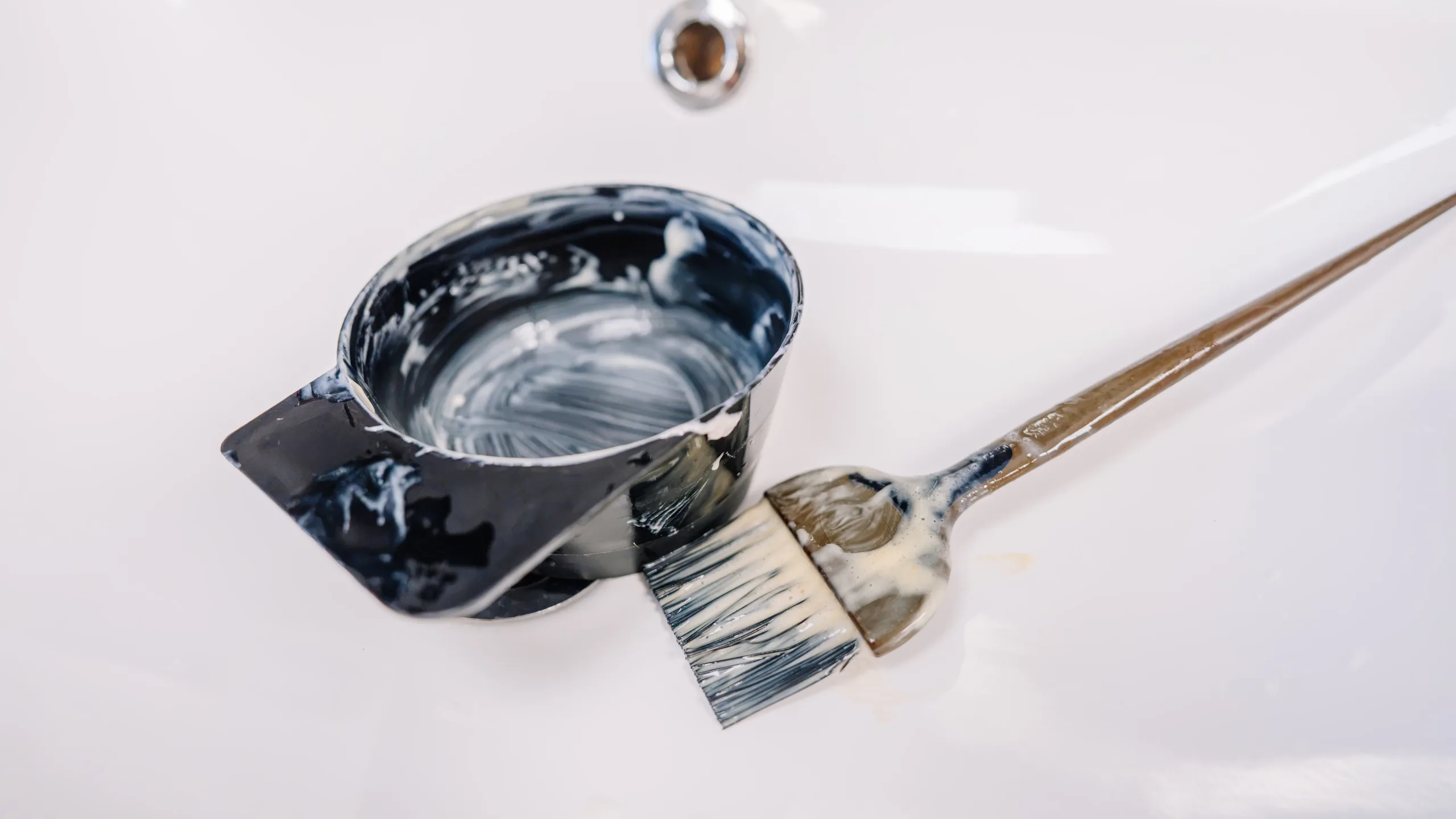
Reuters reported that over 12,700 cases have been consolidated before a Chicago judge.
In September, Arizona’s attorney general filed a consumer fraud lawsuit against L’Oréal. The complaint alleges the company downplayed health risks. L’Oréal responded by saying it believes the allegations have neither legal nor scientific merit.
Why This Matters
This is the first known settlement of its kind reported by Allure.
It may signal a potential precedent for other cases involving chemical hair relaxers.
A settlement does not mean a defendant admitted wrongdoing. Still, it could shape how companies respond to health claims and consumer trust.
The case shows a gap between product marketing and long-term health outcomes. It also highlights the need for clearer safety warnings in beauty products.
Limitations and Open Questions
There is no public evidence that the chemical relaxers directly caused the cancers in any of the four women.
The legal claims are based on individual medical diagnoses and personal experiences.
Scientific studies on the link between relaxers and cancer are limited and not yet conclusive.
The plaintiffs’ cases rely on correlation, not proven causation.
It is unclear whether this settlement will affect the broader pool of over 12,700 consolidated cases.
The outcome may not represent all similar claims.
Further legal action or new research could reshape how such products are regulated and marketed.
For more on the legal challenges in beauty, see: L’Oréal and the Chemical Relaxer Lawsuit.
Sources & further reading
Featured image: original publisher image. Via original publisher. Image source