Authoritarian regimes aim to desensitize people to extreme actions, making it seem normal to suppress freedoms or target dissenters.
The experience of Djurdja Padejski, who lived under Serbian rule in the 1990s, provides personal insight into resistance and resilience. Her reflections are shared here in the context of broader psychological research.
Acknowledge Your Limits
Living under repression is exhausting. It’s hard to feel hopeful when you see attacks on free speech, denial of life-saving aid to millions overseas, and ongoing ICE killings in detention facilities.
Research shows that overwhelming emotions can shut down motivation. Padejski has come to recognize that worrying about what’s beyond your control wastes energy.
She says: ‘It is very important not to get stuck in that moment, not to be clutching your pearls.’
Admitting your limits isn’t failure—it’s strategy. It helps you focus on what you can protect: your mind, your body, and your community.
Practice Micro-Resistance
Micro-resistance means small, daily acts of defiance that do not require risk or disruption to your routine.
Examples include attending a protest, supporting a neighbor at an immigration court visit, or wearing a shirt with a resistance slogan.
During years of repression, Djurdja Padejski and her husband carried out such acts—like continuing to study even when their department was banned from the university.
Self-described ‘small-time’ lawyer Daniel Suitor in Minneapolis used micro-resistance to file legal cases against unjust detentions. After winning his first case, he filed more. Legal actions in Minnesota have been taken to challenge unjust detentions.
Research shows that small acts of service help people better imagine and act on larger ideals. As Djurdja Padejski says: ‘We actually, as humans, can’t imagine how concepts work in the real world unless we experience them hands-on.’
Set Self-Determined Checkpoints
When repression has no clear end, it feels oppressive. People in open-ended confinement often suffer depression or feel disconnected from the future.
One prisoner said: ‘I simply try to live in the here and now and not to plan.’
Creating personal checkpoints—like volunteering four hours a week or completing a set number of actions—can help maintain motivation.
Studies show that people who break long-term goals into smaller steps volunteer more hours over time. This applies to resistance too.
Self-determination theory suggests that choosing your own goals increases well-being and commitment—even when the crisis continues.
Observe the Bending of History
When freedom feels under threat, it’s easy to feel trapped. Taking a long-term view can create emotional space.
Reflecting on past moments—like civil rights movements or revolutions—shows how such struggles eventually resolved.
A reader shares that during Milošević’s rule, Djurdja Padejski found solace in reading historical columns. One by Serbian anthropologist Ivan Čolović helped her see the regime’s actions in a broader historical and social context.
Thinking of current events as part of a longer arc reduces emotional distress and helps maintain clarity.
These strategies are not just for resisting political oppression. They are tools for sustaining personal and collective resilience in any challenging environment.
For more on how to resist authoritarianism, see the original source at Greater Good.
For personal reflections on survival, read Djordje Padejski’s personal account.
For coverage of U.S. government actions, see AP News.
Sources & further reading
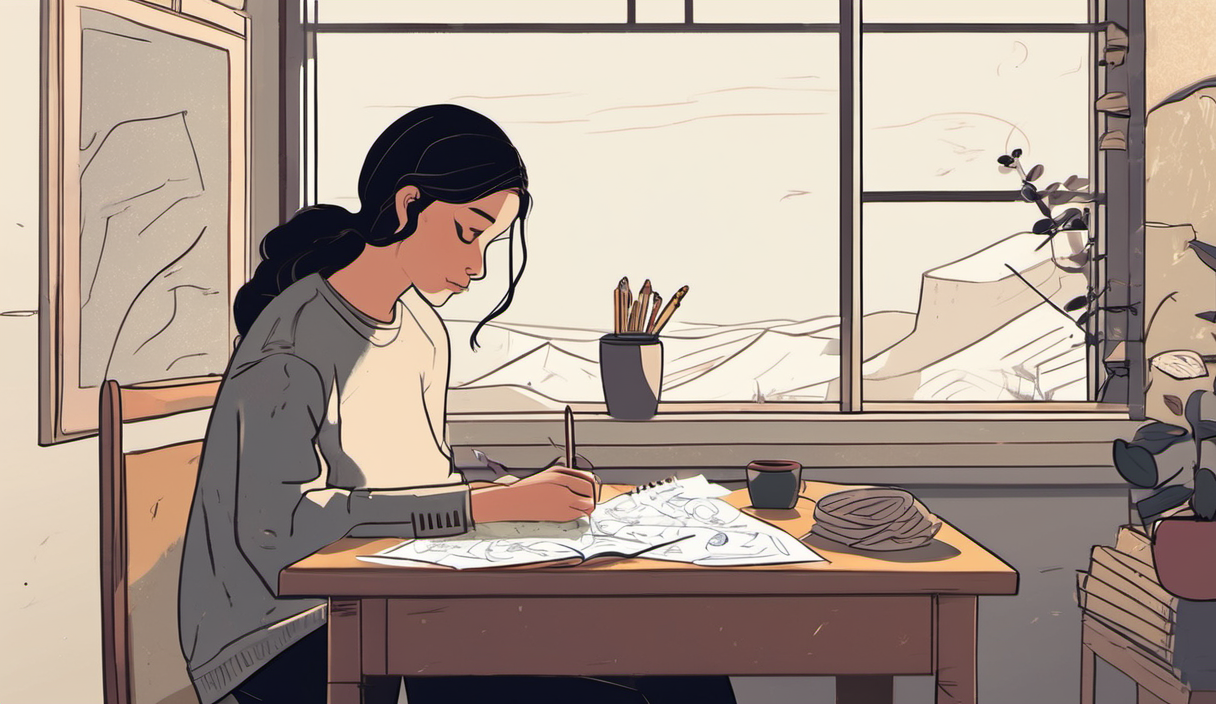
AI-generated illustration.