Signal is blocking operating system-level AI agents from reading its app interface on iOS 27 and Android. This step strengthens its defense against privacy threats from built-in AI tools like Siri and Gemini. Source: securityaffairs.com.
What Happened
Signal, known for its strong privacy and end-to-end encryption, has added new protections to stop AI agents in iOS 27 and Android from accessing its screen content. These agents, such as Apple’s Siri and Google’s Gemini, scan displayed content to assist users with tasks or answer questions.
Signal president Meredith Whittaker announced the update. It follows a similar move on Windows last year, where Signal blocked screenshots to stop Microsoft’s Recall from accessing messages.
How AI Agents Access Data
These AI agents scan screens in real time. They read text, images, and interface elements as they appear. For example, if a user types a message in Signal, the AI may capture it before encryption begins.
Once captured, the data can be stored locally or sent to a remote server. This bypasses Signal’s encryption and removes the app’s control over data privacy.
Why This Threatens Privacy
Signal is not just a messaging app. It represents a privacy-first ecosystem. The operating systems it runs on—iOS, Android, and macOS—now control how apps access user data.
As the report puts it, ‘these three operating systems are the oceans in which Signal, and other applications, must swim.’ They shape the digital environment and set the rules for privacy.
If AI agents can access app screens, apps can no longer independently protect user data. This undermines end-to-end encryption, which depends on data being encrypted from the start.
Limitations of Signal’s Protection
Signal only blocks screen capture on iOS 27 and Android. It does not stop AI agents from accessing app data through the filesystem or APIs.
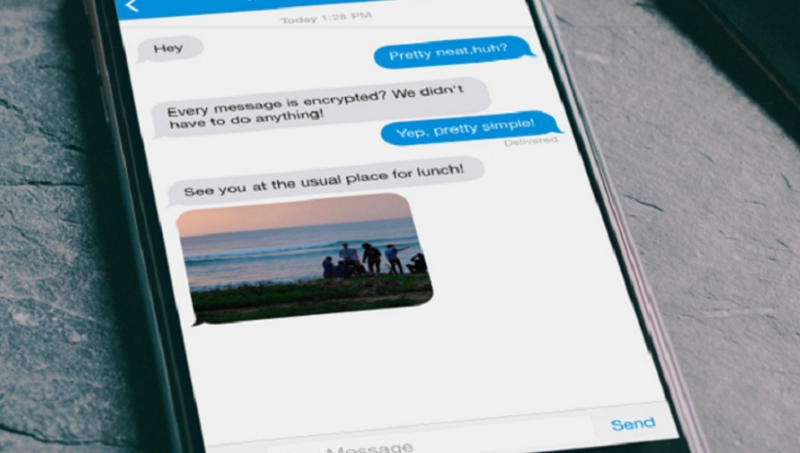
Signal spent significant engineering time reverse-engineering how iOS and Android AI agents interact with apps. Official documentation from Apple and Google is missing or incomplete.
Third-party AI tools, like Meta’s Muse, can also exploit accessibility permissions. Users may grant these for screen readers, allowing AI agents to read message content without knowing.
Signal’s Request to Tech Giants
Signal is asking Apple, Google, and Microsoft to take two key actions:
- Give developers a clear way to block AI agents from reading screen content, files, notifications, and APIs.
- Provide public details on how AI agents collect, store, and use user data—including what data is accessed and under what conditions.
Signal remains cautiously optimistic about progress with Google and Apple. Real change will depend on what these companies do in the coming year.
Broader Implications
Signal calls itself the ‘canary in the coal mine.’ Its actions highlight a growing threat to privacy in an AI-powered digital world.
As AI becomes more embedded in operating systems, apps like banking or health tools face similar risks. If one app must block AI access, what does that mean for others?
The report concludes: ‘We all need to recognize that the current integration of AI agents into the operating system, without these common-sense remedies, represents an existential threat to privacy at the application layer.’
For more on Signal’s privacy efforts, see Signal’s official blog. Follow Pierluigi Pagan or Infosec Exchange for updates on AI and cybersecurity.
Learn more in our dedicated article.
Sources & further reading
Featured image: Signal Russia hacker WhatsApp. Via original publisher. Image source