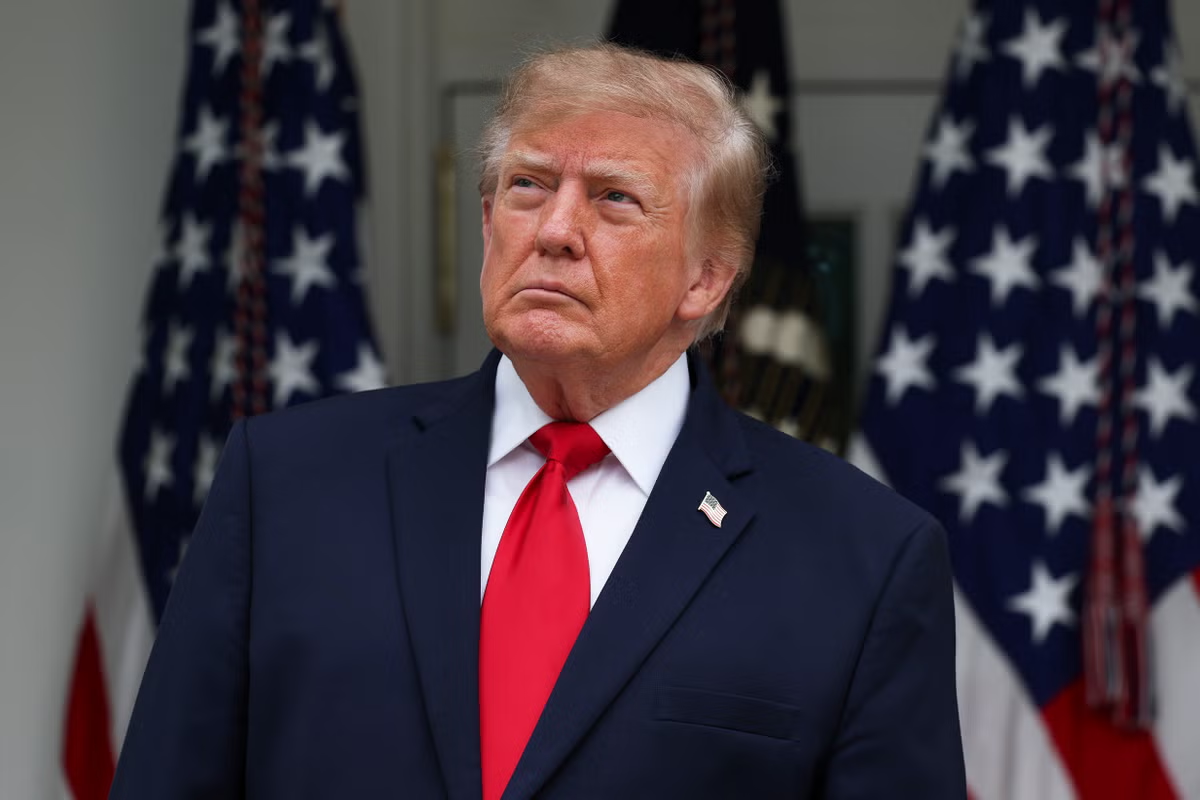
A new lawsuit has been filed in U.S. federal court, naming President Donald Trump and three of his top aides as defendants. The case, brought by six ordinary citizens, argues that the White House’s media access bans violate the First Amendment and undermine the public’s right to independent, transparent reporting on government activities.
What Happened
The lawsuit was filed Monday in the U.S. District Court for the Southern District of New York. It targets President Donald Trump and three senior aides: White House Chief of Staff Susie Wiles, White House Communications Director Steven Cheung, and Secret Service Director Sean M. Curran.
The case marks a shift in the legal landscape. Instead of media organizations, the plaintiffs are everyday individuals whose work depends on White House press coverage.
The six plaintiffs are not journalists. They are educators, researchers, student journalists, and public advocates. Each relies on White House reporting to do their jobs.
Who Is Involved
The plaintiffs represent diverse roles in public service:
- Kenneth Roth, former executive director of Human Rights Watch, uses White House reporting to inform his public commentary on human rights and governance.
- Daniel Froomkin, a political journalist and editor of Press Watch, believes journalism must hold power accountable. He warns that access bans weaken public judgment.
- Beverly Gage, a Pulitzer Prize-winning historian and Yale professor, relies on real-time reporting for her research and public work.
- Peter Schmidt-Nowara, a high school civics teacher, says students need accurate, independent reporting to understand government.
- Benjamin Wittes, editor of Lawfare and a Brookings fellow, depends on the White House press corps for timely policy coverage.
- Ethan Young, a student journalist at the University of Pennsylvania, uses White House reporters as a proxy to understand national decisions.
Key Legal Claims
The suit claims the White House operates in a limited public forum. Access to information is a public right, not a privilege.
The policy targets outlets that publish critical content. This is viewpoint-based and violates the First Amendment.
When one outlet is banned, all reporters face a chilling effect. They fear a single critical report could lead to loss of access.
The plaintiffs seek two remedies: a declaration that the policy is unconstitutional, and a broad injunction banning future bans on media access.
Background: How the Ban Works
Media bans have been repeated in response to critical reporting.
CNN has been denied its usual video pool access. This limits its coverage of the president’s travel and activities.
The Associated Press was barred from the Oval Office and Air Force One last year. The ban followed its refusal to rename the Gulf of Mexico to the Gulf of America.
The New York Times is in a dispute over a Pentagon policy requiring escorts for journalists. Critics say this limits independent reporting.
ABC has challenged the administration over license renewals, arguing the process lacks transparency.
Why It Matters
Previous lawsuits focused on media outlets. This one centers on ordinary citizens.
For teachers, accurate reporting is essential to civic education. Without it, students can’t analyze government decisions.
As Peter Schmidt-Nowara says, ‘My students deserve to know what’s happening in their government and to hear from a free and independent press.’
Ethan Young notes that college campuses like Penn feel the impact. Student journalists can’t understand how national policies affect campus life without White House reporting.
Limitations and Open Questions
The lawsuit does not judge content quality. It only defends the public’s right to independent reporting.
It does not defend the White House’s interest in managing press access. The claim is that the policy is unreasonable and viewpoint-based.
There’s no evidence yet that overall reporting has declined. The full impact remains unknown. But a chilling effect may already exist.
The case does not address financial or policy consequences. It is a legal defense of press freedom, not a policy evaluation.
What to Watch Next
Legal experts will watch whether the court finds the policy unconstitutional.
A ruling could set a precedent for future media access decisions.
Other media organizations may file similar lawsuits.
The case could inspire more public engagement with press freedom.
The core issue remains: the balance between government transparency and media access. This case makes it clearer.
Source: Independent.co.uk
Sources & further reading
Featured image: original publisher image. Via original publisher. Image source