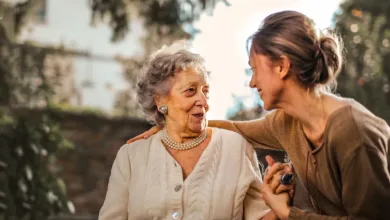
SNL’s 2026 sketch titled ‘Sister’ sparked a national conversation about caregiving in America. The comedy segment, aired on November 14, satirized the idea of a sister as a primary caregiver for aging relatives. In a world where family dynamics are increasingly shaped by cultural norms and gendered expectations, the sketch resonated not just as entertainment—but as a cultural mirror reflecting the realities of daily life for millions of Americans. Source: psychologytoday.com.
The Caregiving Crisis in America
As of 2025, 63 million Americans provided care to a loved one who is ill, disabled, or aging. Six in ten of these caregivers are women—daughters, sisters, aunts, grandmothers, and female cousins. This statistic is not merely a number; it represents a profound shift in how care is distributed across families. The experience of family caregiving is becoming more common: there were nearly 20 million more people in the U.S. providing care to loved ones in 2025 than there were 10 years before. This growth reflects both demographic changes—such as an aging population—and deeper societal patterns that have long favored women in caregiving roles.
More than half of these caregivers say they had no choice. This is not a reflection of personal failure, but of structural inequities. According to a 2025 report by the National Alliance for Caregiving and AARP, many individuals are socialized from an early age into gendered expectations—boys are encouraged to be independent, while girls are taught to be nurturing. These early lessons shape adult behavior, leading to a situation where women are more likely to take on caregiving responsibilities, even when it comes at a significant personal cost.
Why the Sketch Went Viral
One viewer described how the sketch made them laugh, then pause—because it mirrored a moment they’d seen in their own family. ‘I didn’t realize how many people were in that position until I saw it on screen,’ said a mother from Ohio. Another shared, ‘My sister took over my mother’s care after my father passed. I never talked about it—until I saw the sketch. It felt like someone finally said what I’ve been feeling but never said aloud.’
The sketch resonated because it made caregiving personal. Instead of presenting statistics, it showed a familiar family dynamic—laughing at the absurdity of a woman being the default caregiver. Humor has a unique power: it reduces emotional resistance and allows people to confront uncomfortable truths without feeling overwhelmed. When audiences see a character in a relatable role—like a sister caring for a parent—they are more likely to recognize their own experiences, even if they haven’t discussed them publicly.
The sketch’s specificity—using real family roles—made it instantly recognizable across generations. A sister, a daughter, a cousin—these are not abstract roles; they are everyday identities. The sketch didn’t just depict a scene; it activated memory. People recalled moments from their own lives—moments when a sibling stepped in, when a parent needed help, when a family member was suddenly in need of care. This emotional resonance is what turned a three-minute sketch into a cultural phenomenon.
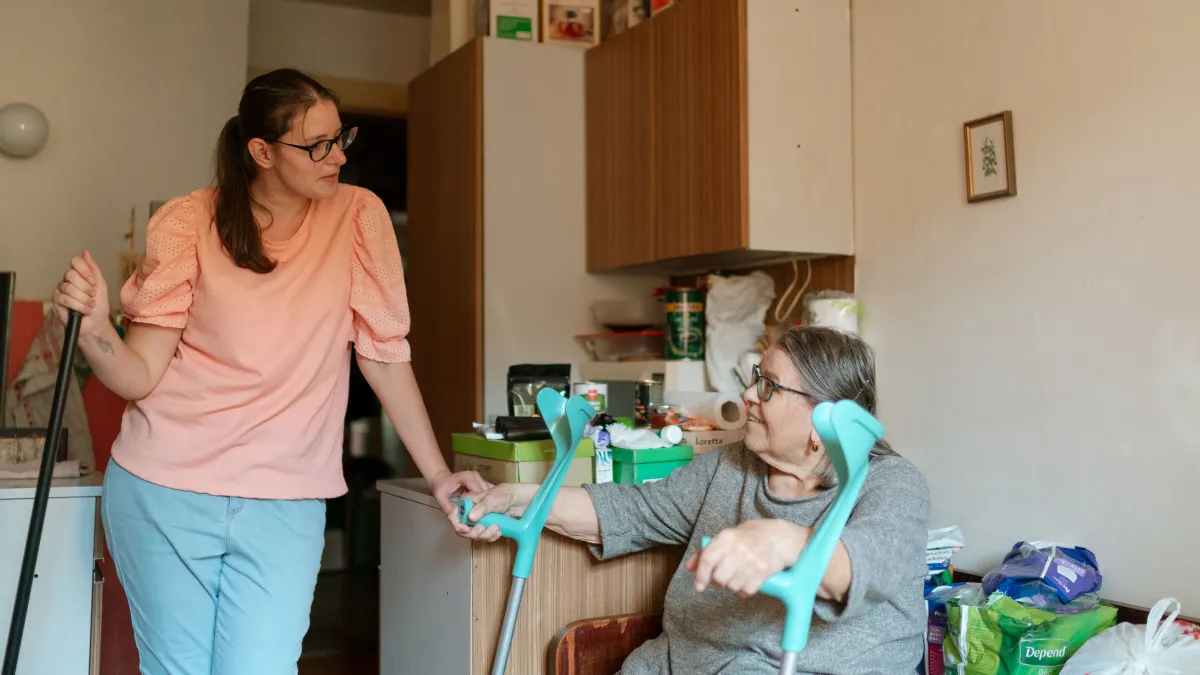
In a fragmented media landscape, short, shareable content spreads rapidly. The sketch moved from private conversations to social media, radio, and print news—reaching audiences who might never read a policy report or seek out information about caregiving. This rapid dissemination is a testament to the power of storytelling in the digital age. When content is emotionally engaging and culturally relevant, it transcends traditional boundaries and becomes a shared experience.
What Audiences Want on Screen
Research from New America’s 2025 Re-Scripting Gender, Work, Family, and Care project found that 92 percent of viewers aged 18 to 59 said that seeing relatable depictions of work and family woven into characters’ lives in television and film is important to them. These viewers want narratives that reflect real-life experiences—stories about balancing careers, parenting, and caregiving—not dramatized plots that prioritize conflict over authenticity.
Fewer than 11 percent of U.S. television shows currently depict caregiving. This gap suggests a disconnect between public interest and on-screen representation. Viewers are not just watching entertainment—they are seeking meaning. They want to see themselves reflected in stories, especially when it comes to issues like work-life balance, intergenerational relationships, and emotional responsibility. When stories on screen reflect these realities, they help normalize caregiving as a shared, valid, and necessary part of family life.
Viewers also want solutions. Eighty-two percent said they believe families and communities and the economy would be more stable if the United States had national policies like paid family and medical leave and affordable elder care that make it easier for Americans to work and care for their loved ones. These findings indicate a growing public demand for systemic change. When audiences see caregiving portrayed not as a personal burden, but as a societal responsibility, they are more likely to advocate for policies that support all families.
Young Audiences and Authentic Stories
Teens and young adults are especially interested in stories grounded in real-life experiences. Research from the Center for Scholars & Storytellers at UCLA shows young people prefer narratives about family, friendship, and community over sensationalized drama. These findings challenge the assumption that younger viewers are interested only in escapism. Instead, they reveal a desire for stories that reflect the complexity of real life—where responsibilities, relationships, and emotions are woven into daily routines.
That feels more real than a drama about a fight or a secret.’ Another said, ‘I don’t want to see caregiving as something that happens only in old people’s homes. I want to see it in homes, in schools, in everyday life.’
These findings suggest a shift: younger audiences want stories that reflect real responsibilities, not just escapism. They see care as part of everyday life—intergenerational, emotional, and meaningful. For example, a young person might see a character in a film who balances a part-time job, school, and caring for a parent. This kind of narrative helps young people understand how caregiving shapes relationships and responsibilities. It may also inspire future generations to challenge outdated gender roles and envision new models of family and care.
What This Means for Policy and Culture
The ‘Sister’ sketch didn’t just entertain—it opened a public space for discussion. It showed how media can make complex issues feel personal and urgent. When audiences see caregiving reflected in stories, they are more likely to recognize it as a shared experience. This can lead to greater empathy and support for caregivers.
Public conversations about caregiving can grow into policy demands. If more people see caregiving as a societal issue, pressure for solutions—like paid leave or affordable care—may increase. The sketch did not solve the problem. It highlighted a gap: the lack of policies and public awareness about caregiving costs and responsibilities. But by making caregiving visible and relatable, it laid the foundation for a broader cultural shift—one where care is seen not as a private duty, but as a shared public good.
What to Watch Next
Public dialogue around caregiving is growing. Media coverage, personal testimonials, and advocacy efforts are now more visible than ever. Next steps may include more authentic portrayals of caregiving in film and TV. Policymakers may respond to public interest with proposals for national support systems. For now, the sketch remains a powerful reminder: stories shape how we see each other—and who we expect to care for whom.
Learn more about how daughters become the ‘sister’ in caregiving at How Daughters Become the ‘Sister’ in Caregiving.
Sources & further reading
Featured image: original publisher image. Via original publisher. Image source