Spanish Prime Minister Pedro Sánchez has announced an early general election for 29 November. The decision follows parliamentary rejections of two housing-related decree laws aimed at protecting tenants.
What Happened
Sánchez made the announcement in a televised speech on Monday. It comes after both decree laws proposed by his minority government were defeated in parliament.
The first law suspended evictions of vulnerable tenants until 2030, extended rental leases expiring before 2028, imposed tax increases on tourist apartments, and restricted purchases by so-called ‘vulture funds’.
The second law included automatic renewal of rental contracts—a major demand from tenant groups like Sindicato de Inquilinas.
These measures sparked strong opposition from the political right, which argued they would reduce housing supply and raise prices.
Key Facts
- Spain was due to hold its next general election in summer 2027 at the latest.
- The eviction of 87-year-old Maricarmen Abascal from her Madrid home in September became a national symbol of the housing crisis.
- Her rent was raised from €500 to €2,650—later reduced to €1,650—still €300 above her pension.
- Protests took place in Madrid, Valencia, and Barcelona, with tens of thousands participating.
- Political opposition leader Alberto Núñez Feijóo called the election ‘a chance for Spaniards to choose between decline or change, lies or change, incompetence or change, division or change, corruption or change’.
Background
Sánchez’s left-wing coalition government, composed of his Socialist Party and the Sumar alliance, does not hold a majority in parliament.
It has faced mounting pressure on multiple fronts: housing, cost of living, immigration, and corruption scandals.
Notably, in April, Sánchez’s wife Begoña Gómez was charged with corruption over alleged misuse of her relationship to advance private career interests. The case has been dismissed by Sánchez as a right-wing attack on his coalition.
In May, police raided the Socialist Party’s Madrid headquarters over allegations of a misinformation campaign. The party denies the claims.
In June, former transport minister José Luis Ábalos was jailed for 24 years for involvement in a face mask kickback scheme during the pandemic.


These incidents have contributed to public skepticism about the government’s integrity.
Why It Matters
The housing crisis has become a central issue in Spanish politics. Evictions of elderly and vulnerable tenants have galvanized public anger and mobilized mass protests.
The election will test the political viability of reformist policies and the capacity of the government to deliver on social services and housing access.
Most opinion polls suggest the conservative People’s Party will emerge as the largest party. However, it would likely need support from the hard-right Vox party to form a government.
What to Watch Next
Political leaders and civil society groups will closely monitor the campaign trail. The outcome may shape housing policy, public trust in governance, and the trajectory of social reforms in Spain.
Protests and public discourse are expected to remain intense, especially in urban centers where housing shortages are most acute.
While the government claims it seeks to build a ‘broader progressive majority,’ the political landscape remains fragmented and contested.
For more on Spain’s housing crisis, see the BBC’s coverage of the protests and eviction incident.
Sources & further reading
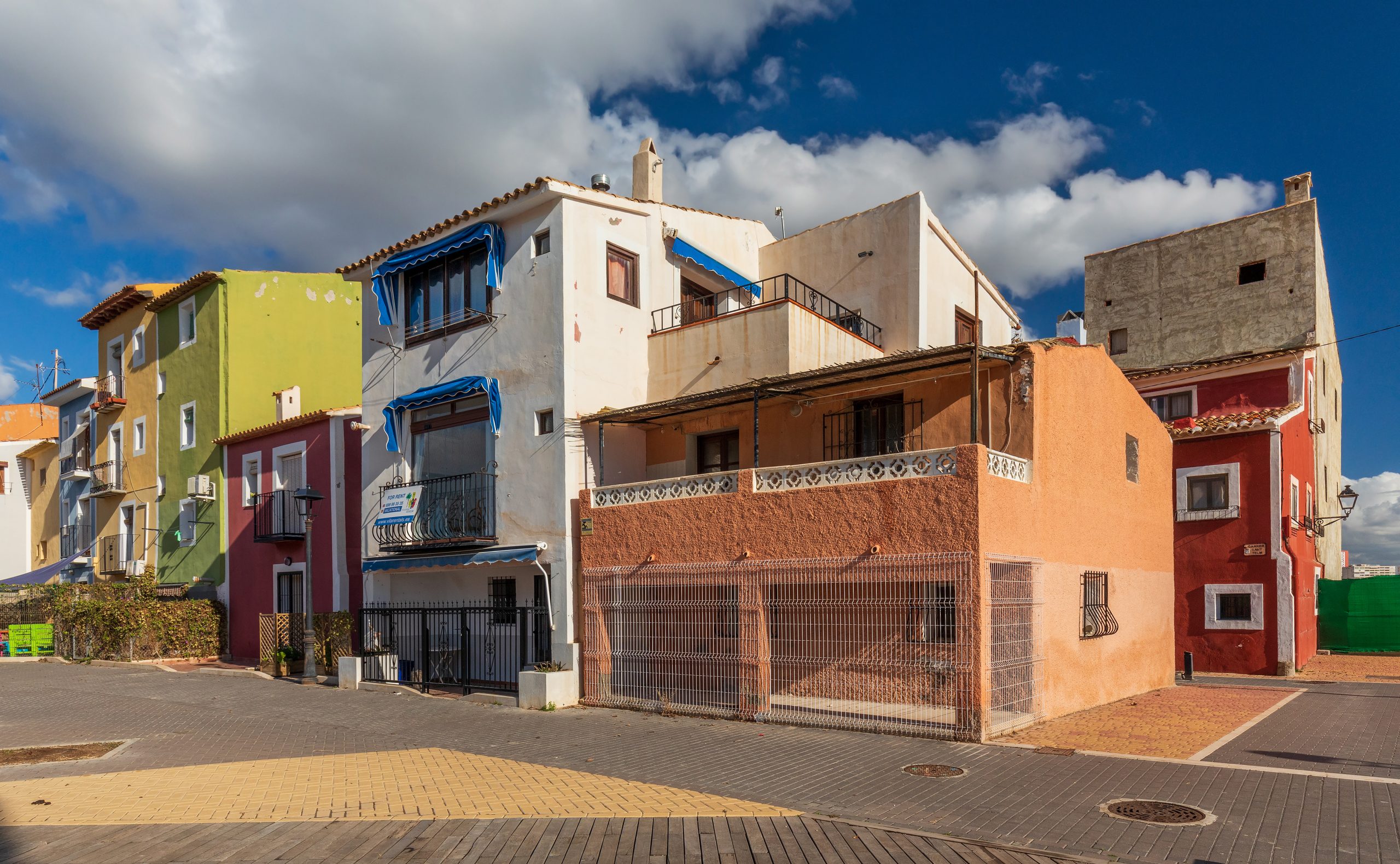
Featured image: Residential buildings from early 20th century in La Vila Joiosa,… by Ximonic (Simo Räsänen), CC BY-SA 4.0, via Wikimedia Commons. Image source · License