A nationwide general strike took place in Spain on Wednesday. Millions of workers took to the streets to protest soaring housing costs and rent prices. This event marks Spain’s first general strike in 14 years and reflects deep public anger over the rising cost of living and housing insecurity. Source: independent.co.uk.
What Happened
The strike, under the banner ‘Salaries. Housing. Prices.’, occurred in major cities including Madrid, Barcelona, Valencia, and Seville. Organisers estimated 400,000 demonstrators in Barcelona. Municipal officials reported only 55,000 people behind a banner reading ‘Live. Not Just Survive.’ The difference shows how estimates can vary in large protests.
In Madrid, about 120,000 people joined despite heavy rain. Crowds filled key streets like Paseo del Prado and Paseo de Gracia. Signs read ‘Housing is a right, not a luxury’ and ‘End Rent Speculation.’
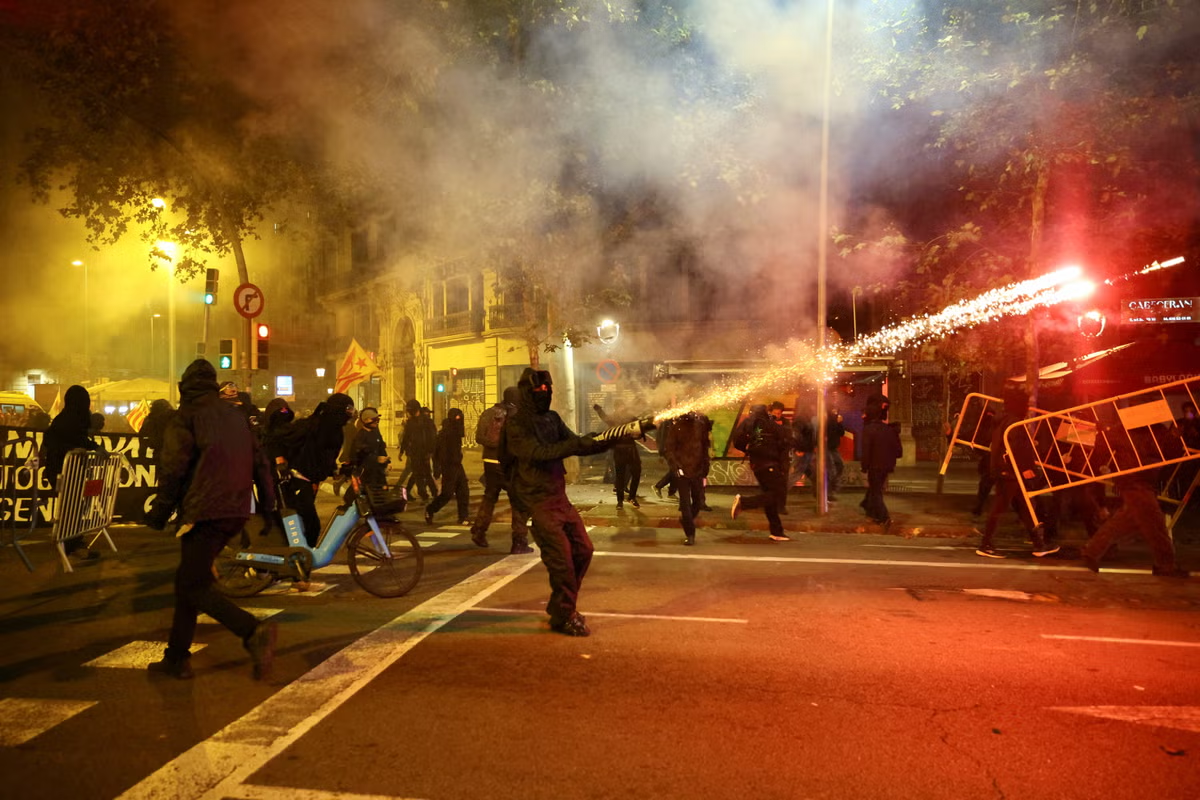
After a peaceful start in Barcelona, some younger protesters targeted stores along Paseo de Gracia. They smashed windows, set fires, burned rubbish bins, and launched fireworks at riot police. A group of hooded individuals tried to enter an Apple store in the city centre.
Barcelona’s metro and bus services stopped outside rush hours. Smaller businesses like cafes stayed open, but major transport networks were severely disrupted.
Key Facts
- Spain’s first general strike in 14 years, driven by housing cost concerns and evictions.
- 49 people were arrested across Spain for property damage and public disturbances.
- Organised by Spain’s two main unions — CCOO and UGT — with strong grassroots support from younger activists.
Trade unions called the strike a success. Unai Sordo, CCOO’s secretary-general, said: ‘The strike has exceeded expectations. It shows the government citizens are ready to act when basic needs are at risk.’
Participation was high in heavy industry and transport. It was lower in retail, hospitality, and tourism — sectors where union coordination remains weak.
Background: The Housing Crisis
Average rent prices in Spain have nearly doubled over the past decade. This rise comes from real estate speculation, low affordable housing supply, and weak regulation.
The crisis grew after an 87-year-old woman was evicted in Madrid. She died shortly after. Her case became a symbol of housing insecurity and sparked national outrage. Protesters used her story to build support for the strike.
They demand automatic lease renewals, stronger tenant protections, a ban on emergency rent hikes, more public housing, and a new national minimum wage to help workers afford basic living costs.
Political Response
Spanish Prime Minister Pedro Sánchez called an early election for 29 November. The move aims to retain power for his left-wing coalition. Public confidence has dropped after a high-speed train crash in late October — Spain’s second fatal rail crash this year — that killed 69 people.
Earlier, Sánchez shared a video on X highlighting social wins like the 40-hour workweek and national healthcare. He warned right-wing parties would cut public services if elected.
Political analyst Oriol Bartomeus said the strike offers a chance for the Socialists to shift the election debate to housing. ‘The party needs the strike to succeed and avoid violence so the campaign can focus on housing,’ he said.
Opposition parties, including the Popular Party and Vox, accused unions of staging the strike to help Sánchez. ‘This is a gift to the left during a campaign where they need all the support,’ said Popular Party spokesman Miguel Tellado.
What to Watch Next
The strike’s outcome will shape the political debate ahead of the 29 November election. Whether it leads to new housing policies — like rent controls or public housing — remains unclear.
If the government fails to act, public pressure may grow. Similar unrest could emerge in other European countries facing high housing costs and inequality.
For more on protests and public reactions in Europe, see clashes in Paris.
For a deeper look at the cost of living in Spain, explore our coverage on cost of livings.
Sources & further reading
Featured image: original publisher image. Via original publisher. Image source