Spain’s election centers on housing issues and the potential rise of far-right parties.
Key Issues in the Election
The housing crisis drives voter engagement. Prices are rising fast, especially in Madrid and Barcelona.
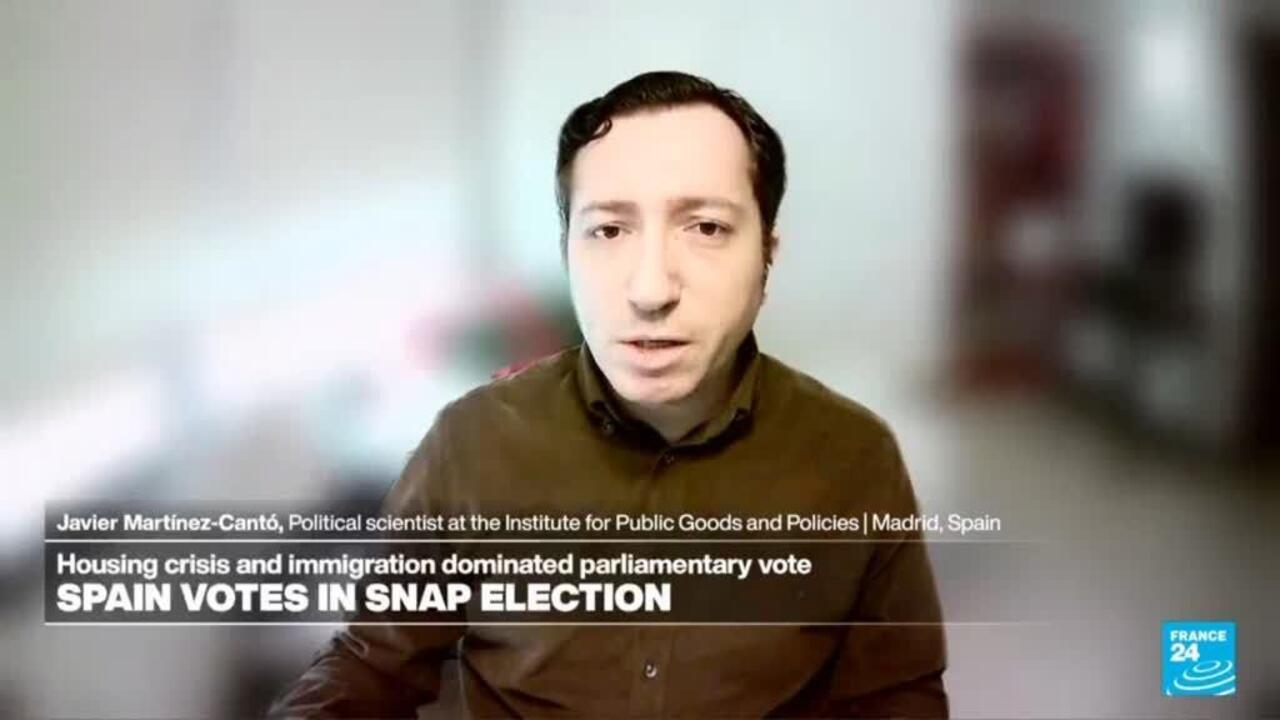
Javier Martínez Cantó, a political scientist at the Institute of Public Goods and Policies in Madrid, says housing affordability is a top voter concern.
Many families now face rising rent. Wages haven’t kept up. This gap fuels public frustration.
Role of the Government and Opposition
Spain’s PM Pedro Sanchez’s Socialist Party (PSOE) promotes social welfare, including housing support.
But past policies have not kept pace with demand. Critics say the government has fallen short.
Opposition parties, especially Vox, have used public discontent. They link housing to immigration and national identity.
Far-Right Gains and Political Tensions
Vox has seen strong support growth. It’s rising in dense urban areas with economic stress.
While it hasn’t won a majority, its rise shows a shift in Spanish politics.
Some experts wonder if the traditional right, like the People’s Party (PP), might partner with Vox.
No official talks have been confirmed. But political observers see growing alignment in messaging.
Public Reaction and Voter Sentiment
Many voters distrust both major parties. They want clearer, more effective policies.
Despite far-right voices, no clear plan exists for how the next government will act.
France 24’s coverage shows this election mirrors broader European trends in economic strain and political division.
For more on Pedro Sanchez and the far-right, see our previous report.
Full details on the election, including media coverage and turnout, are at the original source.
Sources & further reading
Featured image: original publisher image. Via original publisher. Image source