Summer Walker has filed a $20 million cross-complaint against Interscope Records, escalating a legal dispute that began when the label sued her over a 2017 recording contract.
What Happened: A Legal Back-and-Forth
On November 18, 2026, Walker filed a 10-page legal document. It claims Interscope breached its recording agreement.
Interscope previously sued Walker, claiming she would owe $50 million if she terminated the contract. That claim was based on her failure to deliver five studio albums.
Walker argues the 2017 contract gave Interscope only limited rights to use her name, image, or likeness. She says the label has profited from her independently created content.
That content includes videos and digital assets on her personal YouTube channel. These were made outside the original agreement and are considered independent works.
Key Claims in the Cross-Complaint
- Interscope received only limited rights to use Walker’s name and likeness under the 2017 agreement.
- Walker claims Interscope collected revenue from her independently created audiovisual content and digital assets.
- Walker seeks a court declaration that the agreement is no longer valid.
- She demands that Universal Music Group, Interscope’s parent company, surrender profits earned from disputed digital assets.
The lawsuit notes that the amount of improperly earned profits is ‘unknown and cannot be ascertained without an accounting.’ This shows how hard it is to measure digital revenue streams.
Background: A Contract with Restrictive Terms
That means she gets 16 cents for every dollar in royalties after costs are paid.
Interscope classified earlier projects like Last Day of Summer and CLEAR as ‘pre-album projects.’ They don’t count toward the five required studio albums.
Industry experts have criticized this move. It stretches contract obligations without clear explanation or transparency.
Walker also sued Love Renaissance Records (LVRN), the label that signed her at 19. She claims LVRN locked her into an onerous contract, misused budget funds, and denied her access to revenue from Amazon and YouTube pages featuring her name and likeness.
Why It Matters: Ownership and Artist Rights
This case shows growing tensions between artists and labels over digital content and personal brand revenue.
Walker invoked California’s ‘seven-year rule.’ It allows artists to end long-term contracts after seven years. This law protects artistic autonomy.
Her action highlights the need for clear rules on what counts as independent creation. Without them, artists face exploitation, especially when digital content is monetized without consent.
Responses and Limitations
Interscope has not responded to the cross-complaint. A spokesperson said last month they hope for a peaceful resolution.
They added that the statutory deadline required them to file suit to keep the contract valid. This is a common legal tactic to preserve terms.
Walker’s lawyer, Keith Moten, told Rolling Stone: ‘Summer has always approached her relationship with Interscope in good faith. She remains appreciative of the label’s role in her career. But that doesn’t give Interscope unlimited rights over her creative work or the revenues generated from it.’
The case remains unresolved. No settlement has been announced. The court must decide if the contract was unenforceable and if Interscope violated its terms by monetizing her personal content.
If successful, this case could set a precedent for how artists assert rights over digital content and personal branding in music.
For more on the music industry’s evolving legal landscape, see our coverage of the original report.
Sources & further reading
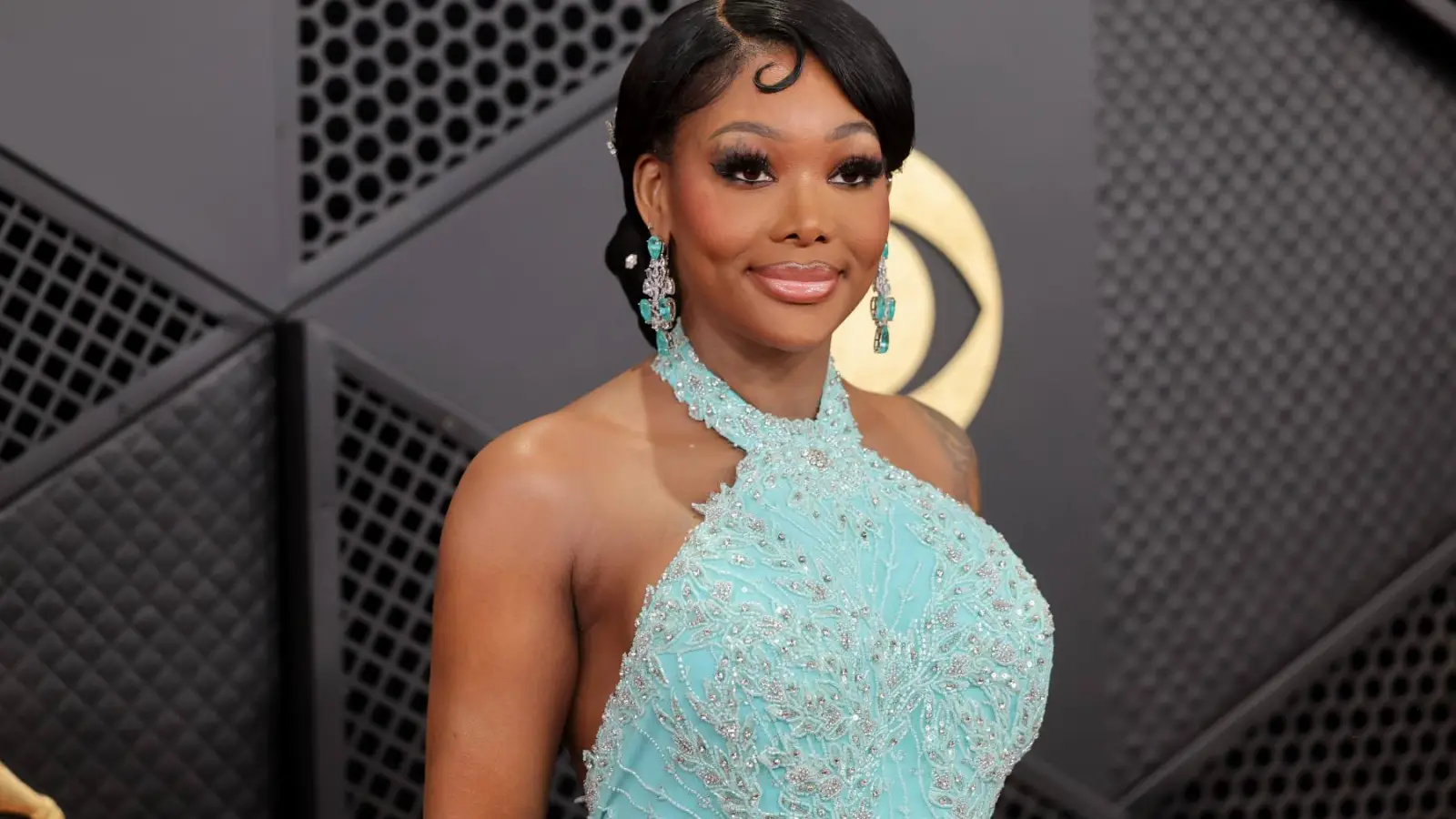
Featured image: LOS ANGELES, CALIFORNIA – FEBRUARY 01: (FOR EDITORIAL USE ONLY) Summer Walker attends the 68th GRAMMY Awards at Crypto.com Arena on February 01, 2026 in Los Angeles, California. (Photo by Brianna Bryson/WireImage). Via original publisher. Image source