Adriana Lima’s Beauty Was Never a Performance
Adriana Lima became a Victoria’s Secret Angel in 2000. She was one of the era’s most celebrated models.
Her beauty wasn’t defined by a narrow body size. It came from confidence, presence, and influence in fashion.
She didn’t need to conform to a thin ideal to be admired. Her look was always authentic and powerful.
Media Criticized Women for Being ‘Too Big’ in the Early 2000s
During the late ’90s and early 2000s, mainstream media often criticized women for being ‘bigger than ever’.
Size-six models were called out as if they were failing to meet beauty standards.
This wasn’t about health. It was about a cultural belief that thinness equaled worth and success.
Calling Her Appearance a ‘Glow-Up’ Is Problematic
When Lima appeared in public with a fuller figure, media called it a ‘glow-up’ or ‘makeover’.
Headlines like ‘At 45, Adriana Lima’s Stunning Makeover Marks a New Era’ celebrated her as if she had been ‘rebooted’.
These stories suggest her earlier look was flawed—and her current look is a redemption.
She Has Had Real Life Changes, Not Failures
Lima has had children. She has aged. These are natural parts of life.
They are not signs of decline. They are milestones in a lived experience.
Calling them a ‘glow-up’ treats them as fixes, not as normal human changes.
Others Have Also Been Called to ‘Glow-Up’
One person shared they were told they had a ‘glow-up’ in their 40s.
They lost weight with GLP-1 medication and kept up with Dysport and filler treatments.
They were never considered ‘ugly’—just occasionally chubby.
Yet, their weight loss was still framed as a joyful transformation.
It’s Not a ‘Glow-Up’ to Be Natural
Someone said: ‘Guys, I was cute before, too. Calm down.’
This speaks to a deeper issue: that beauty must be ‘recovered’ over time.
But attractiveness isn’t something to be fixed. It’s a quality that stays with you.

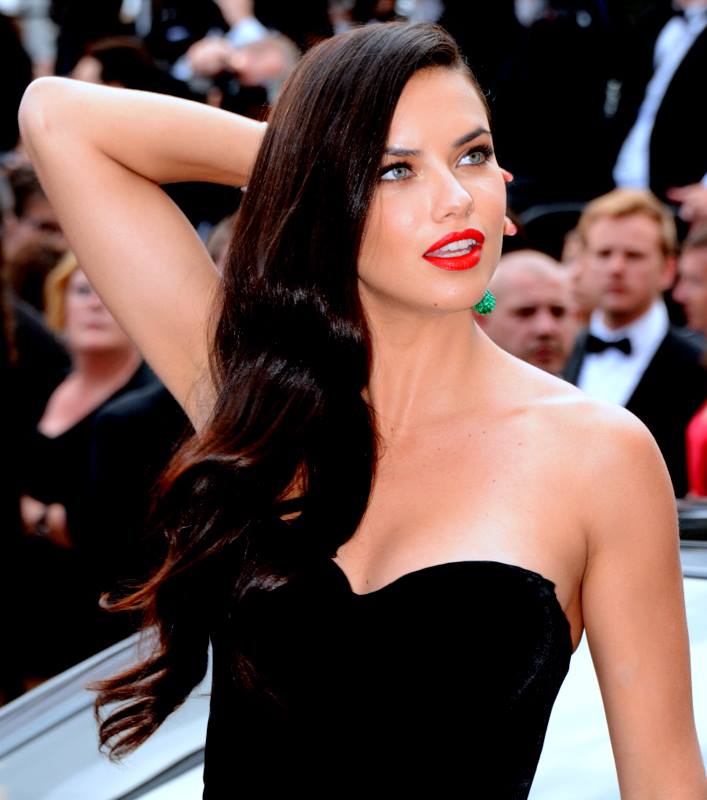
Beauty Is a Lived Experience, Not a Performance
When media praises a ‘glow-up,’ it implies the person once looked unattractive.
It suggests beauty is something to be curated, updated, and perfected.
But beauty isn’t a show. It’s shaped by life, choices, and time.
The Victoria’s Secret Show Has Evolved
Early shows featured models with extremely thin bodies.
Now, the brand includes models of diverse body types.
This shift shows progress toward inclusivity.
Yet the Media Still Frames Her as a ‘Reboot’
Even as the show grows more inclusive, media still calls Lima’s appearance a return to beauty.
This suggests she had to ‘reboot’ to qualify for admiration.
It contradicts the brand’s message of authenticity and diversity.
Stop Using ‘Glow-Up’ to Describe Real Life
Terms like ‘glow-up’ normalize the idea that beauty must be fixed.
They imply a person was once flawed and only improved through intervention.
Instead, we should celebrate authenticity.
Adriana Lima has always been beautiful. Her current look is not a transformation.
It’s a reflection of real life—aging, motherhood, personal growth.
For those who have aged or had children: you were never less beautiful.
You were always beautiful. And that’s worth honoring—without a ‘glow-up’ narrative.
- Adriana Lima has been a Victoria’s Secret Angel since 2000.
- Media outlets celebrated her appearance as a ‘glow-up’ or ‘makeover’ in 2023.
- These terms imply a ‘before’ that was flawed and a ‘after’ that is ideal.
- She has had children and aged—natural life changes, not failures.
- The Victoria’s Secret show has included models with diverse body types.
For more on how media shapes beauty standards, see the original article.
Body image is not about transformation. It’s about acceptance. And Adriana Lima has always been a symbol of that.
Sources & further reading
Featured image: Adriana Lima in 2011.jpg by Miss Maven, CC BY 3.0, via Wikimedia Commons. Image source · License