Louisa Nicoll’s experience after her husband John’s death revealed a common yet overlooked challenge: the emotional toll of managing household accounts after someone dies. Source: bbc.co.uk.
What Happened
John, a 50-year-old police surveillance trainer, was diagnosed with cancer about a year before he died. He worked through nine major surgeries and four rounds of chemotherapy, continuing his full-time job throughout the process.
Despite planning ahead, Louisa received post addressed to John after his death. One letter from their energy provider read: "Sorry you’re leaving us. Is there anything we can do to make you stay?" This message felt inappropriate and emotionally damaging.
She was added as an additional name on a mobile phone contract. Her children still received texts that read: "Hi, John." These messages created confusion and grief for the kids, who didn’t know if their father was still alive.
John had emailed his energy provider to transfer ownership of the account to Louisa. Instead, she was added as a secondary name. To regain full control, she had to close and reopen the account.
Why It Matters
Louisa said she thought she was prepared for John’s death. But the reality was far harder. He was her partner, her other half. Facing death admin without him felt deeply vulnerable.
Sarah Middlemiss, policy campaigns manager at Marie Curie, says end-of-life administration is especially hard for grieving families. She notes that each company has different rules and asks for different details.
Without consistent, sensitive training, staff often miss the emotional weight of loss. She believes staff who understand grief can offer clarity, empathy, and practical support — not just steps.
How Families Can Prepare
Louisa says most families avoid end-of-life conversations. They treat them as uncomfortable or unnecessary.
She and John had these talks long before they needed them. They discussed what would happen after John died — including work, household duties, and financial accounts.
John said: "I think you’ll tell our story, and show people that it is possible to live well when faced with dying." Louisa says this conversation was as important as planning for weddings or career changes.
John died peacefully at home in August 2020 — just one day after their 26th wedding anniversary. The couple had planned a family holiday to Greece. The pandemic stopped that. Instead, they celebrated with a Greek-themed night at home.
John gave a heartfelt speech at Amy’s 18th birthday. He reflected on their life together and the joy in everyday moments.
What to Watch Next
Louisa gives talks to encourage people to talk about death in advance. She believes such conversations prevent crises after loss.
She says: "Our families end up trapped in a crisis — guessing our wishes in the back of an ambulance or a chaotic A&E; department. We plan for every major event — weddings, pregnancy, career changes — yet leave the end of life to chance."
Louisa now campaigns for better bereavement practices. She wants companies to adopt standardised, compassionate, and practical approaches to post-death admin. Death should not be an administrative blind spot — but a moment met with preparation, dignity, and care.
Sources & further reading
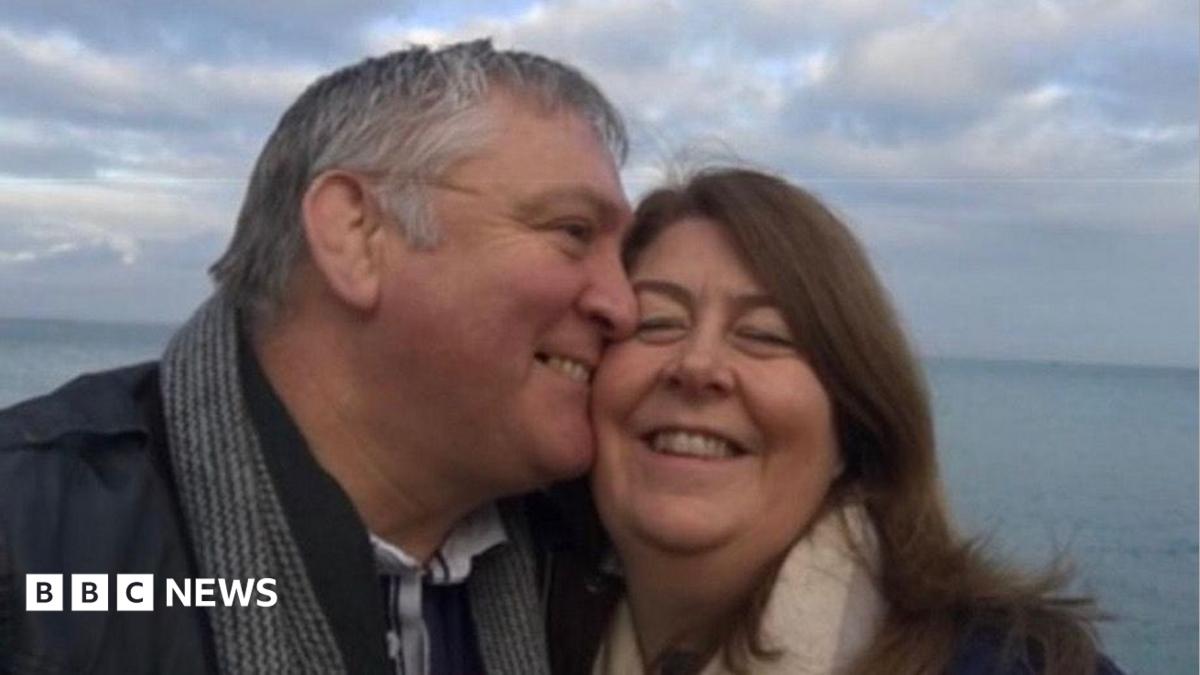
Featured image: A selfie of John kissing Louisa on the cheek they are both wrapped up warm in coats and scarves and smiling as the wind blows their hair with a blue cloudy sky and sea behind them. Via original publisher. Image source