Most people in ancient Rome were not emperors or gladiators. They worked in jobs that kept daily life running—like farming, baking, shopkeeping, or building.
Farmer: The Most Common Job
Early Roman society relied on small family farms. Most people grew food like grain, olives, and grapes. These crops fed local populations and supported trade.
Animals were key to farming. Cows gave milk. Sheep and goats provided wool, cheese, and meat. Oxen pulled plows and carried heavy loads.
Most farms were family-run until the 2nd century BCE. Then, wealthy landowners began buying land and hiring slaves. This pushed many small farmers into cities to find work.
Baker: A Growing Urban Role
Bread was a daily staple. Early Romans baked it at home. By the 2nd century BCE, Greek baking methods spread to Rome.
Bakeries appeared in cities. In Pompeii, archaeologists found 35 bakeries. This shows how large and organized the baking industry became.
Operating a bakery needed much labor. Grain was ground by donkey-powered mills. Ovens burned all day to bake bread. The process took time and effort.
Later, bakers formed a guild called the corpus pistorum. It set quality standards, trained apprentices, and ensured consistent bread.
Shopkeeper: A Daily Need
As Rome grew, markets expanded. People from across the Mediterranean moved to the city. Shops began to thrive.
Shops called tabernae lined city streets. They served all social classes. These stores sold food, wine, oil, medicine, and imported goods.
Many offered ready-made meals. Poorer Romans bought these to skip cooking. Others repaired shoes, made pottery, or packaged goods.
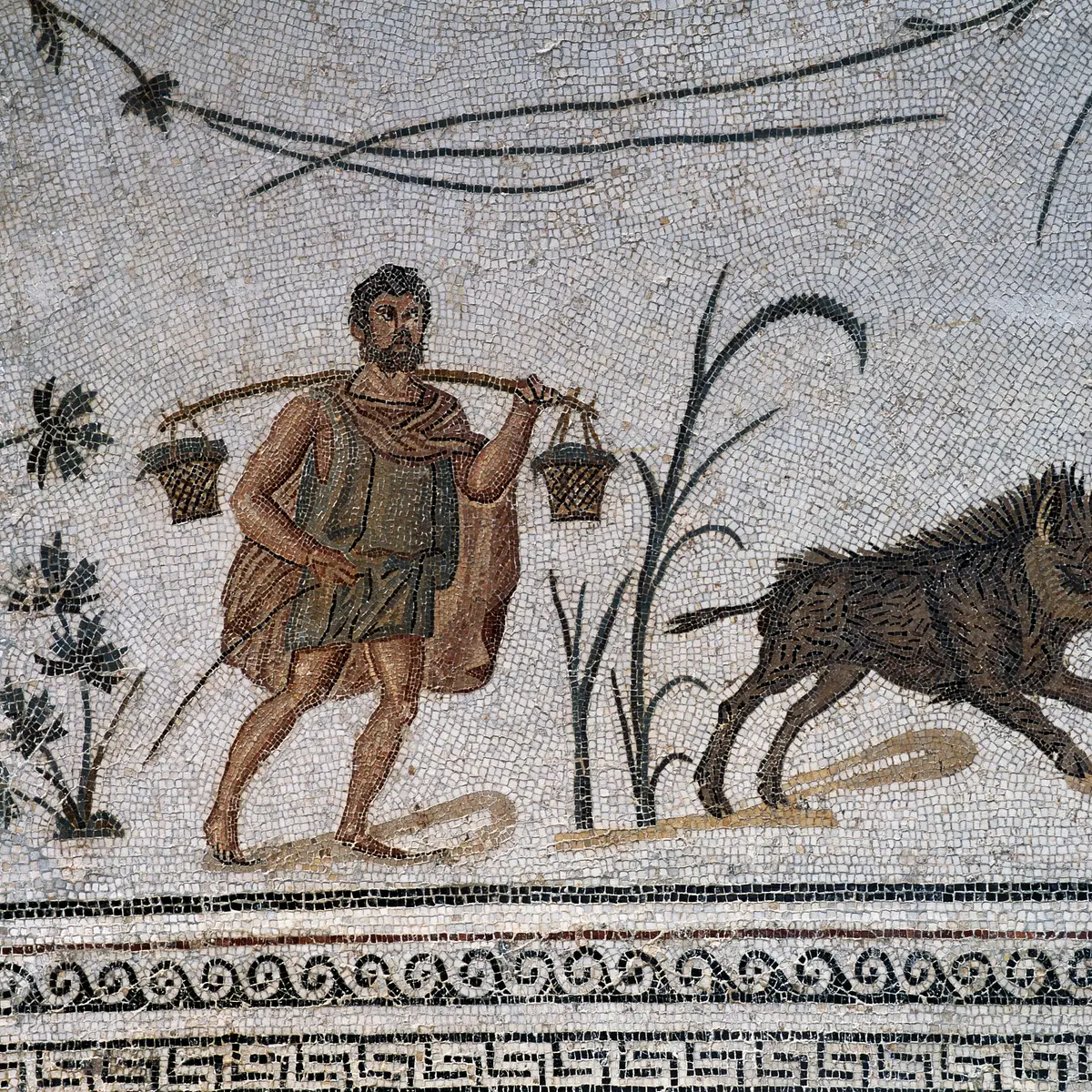
Some shops combined services. Shopkeepers could be freeborn citizens, freed slaves, or slaves working under owners.
Some elite Romans looked down on trade. They preferred land or military life. But for most, shopkeeping was a reliable way to earn money.
Builder: The Backbone of Roman Infrastructure
Rome’s engineering feats—like roads, aqueducts, bridges, and domes—needed massive human effort. These were not built by a few experts, but by many hands over centuries.
Building projects included engineers, stonemasons, painters, and laborers. Roman legions also helped build roads and bridges during campaigns.
For example, the Pantheon required 100 to 240 men per day. This shows how large and complex such projects were.
Construction was a major industry. But it often used unpaid or underpaid labor. Slaves and lower-class workers did the hardest tasks.
Still, builders helped create a connected, strong empire. Their work shaped how Rome expanded and lasted.
Work in ancient Rome was tied to class. Most people were lower-class laborers. Their days were spent in fields, markets, or on construction sites.
While elite roles existed in government, religion, and the arts, ordinary Romans lived by manual labor. These jobs were not glamorous—but they were essential.
For more on daily life in ancient Rome, explore the original article at https://www.mentalfloss.com/history/most-common-jobs-ancient-rome?utm_source=RSS.
Sources & further reading
Featured image: original publisher image. Via original publisher. Image source