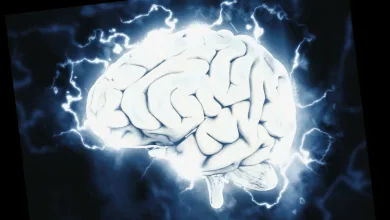
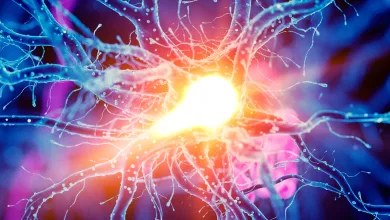
Tinnitus is not a sound from the ears. It’s a neurological phenomenon that originates in the brain. Source: sciencealert.com.
How Sleep and Tinnitus Are Linked
Neuroscientists at the University of Oxford have found a surprising link between sleep and tinnitus.
Research in 2024 on ferrets exposed to loud noise showed that sleep reduced brain activity linked to tinnitus.
Dr. Linus Milinski, who leads the research at Oxford’s Sleep and Circadian Neuroscience Institute, said: “We could actually see these sleep problems appear at the same time as tinnitus after noise exposure.”
This suggested, for the first time, a clear link between developing tinnitus and disrupted sleep.
A new mouse study shows a more complex picture. Eight mice stayed awake for six hours after a high-pitched noise. They showed fewer signs of tinnitus than six mice allowed to sleep.
This result suggests sleep may not reduce tinnitus. Instead, it might reinforce the neural pathways that cause it.
The findings, available ahead of peer review on bioRxiv, show that brain processes during sleep — especially non-REM sleep — may consolidate traumatic auditory experiences.
What Is Neural Plasticity?
Neural plasticity is the brain’s ability to form new connections.
It increases during non-REM sleep, when slow-wave activity is strong. Milinski and colleagues call this process “essential for sustaining brain plasticity.”
While the brain disconnects from external sounds during sleep, it doesn’t stop noise from shaping neural activity.
The study suggests synaptic changes during sleep may amplify abnormal brain activity linked to tinnitus.
In this way, the brain may be rehearsing or stabilizing a memory of loud noise — turning a brief event into a lasting perception.
Why This Matters for Human Health
One loud noise isn’t enough to cause tinnitus in humans.
Scientists believe a traumatic sound must be followed by a period of consolidation — when the brain stores that memory.
This consolidation may happen during sleep, especially in non-REM stages when plasticity is high.
Once tinnitus is established, brain hyperactivity continues through all stages of sleep — including deep sleep.
A 2024 study from South China University of Technology found that tinnitus-related brain activity persists during sleep.
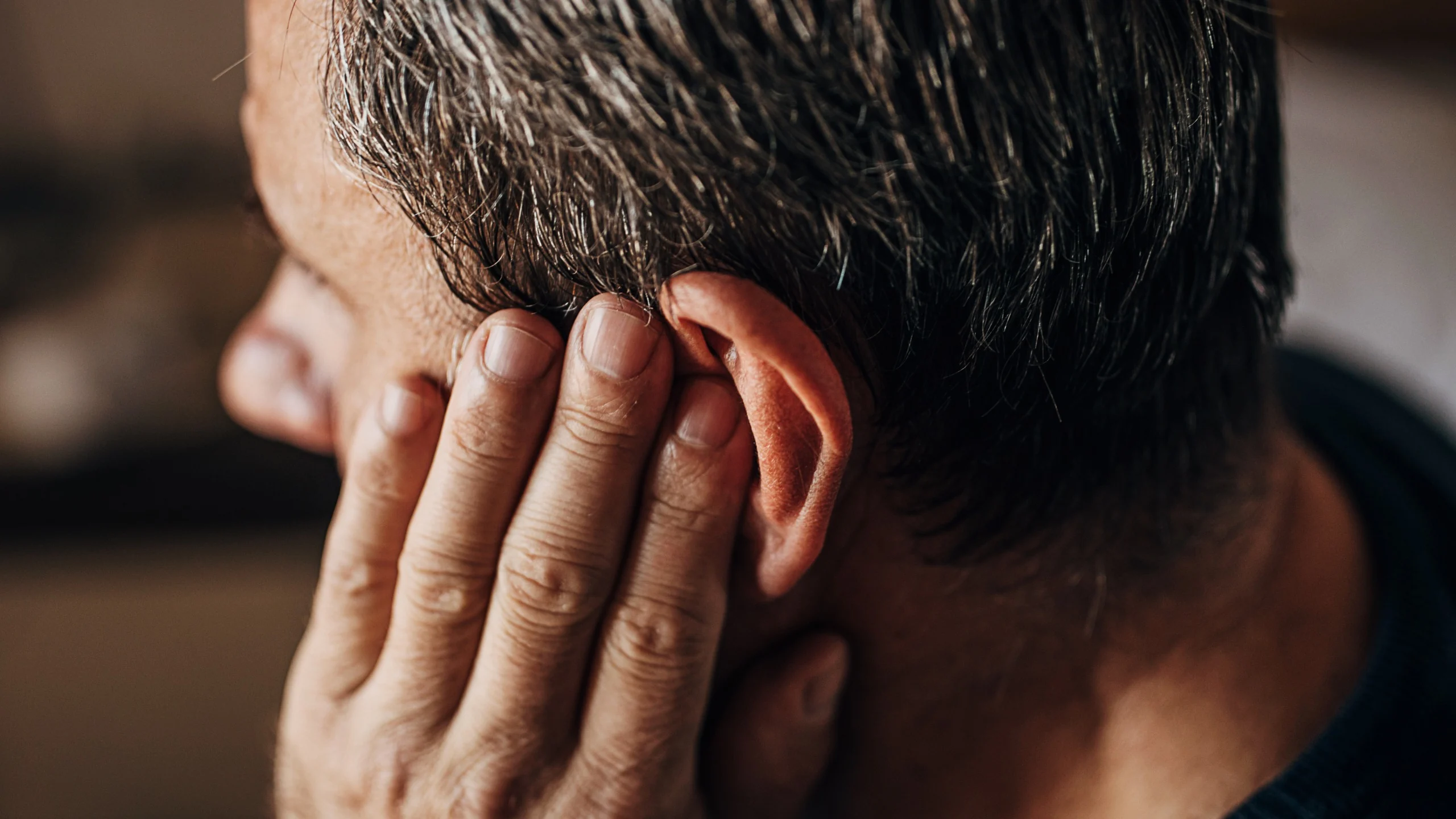
This shows tinnitus is not just a waking phenomenon. It’s a continuous brain process.
Dr. Linus Milinski said the relationship between tinnitus and sleep is likely bidirectional.
“Tinnitus can make sleep worse, and poor sleep may, in turn, make tinnitus worse. It may be a kind of vicious circle, although I do not believe it is unbreakable,” he told ScienceAlert in 2025.
He added that stress — a known trigger — increases vulnerability when sleep is poor.
“When we do not sleep well, we become more vulnerable to stress, and stress is one of the strongest factors known to worsen tinnitus. Stress can even trigger tinnitus to begin with,” Milinski said.
Limitations and Open Questions
The mouse study may not apply to humans.
Mice have different auditory systems and shorter sleep cycles than humans. These differences may affect how noise and sleep interact.
The study does not prove poor sleep causes tinnitus. It only suggests a mechanism — neural plasticity during sleep — that could contribute to tinnitus formation.
Not all people with tinnitus have poor sleep. Sleep issues aren’t a requirement for the condition.
Future research must identify which sleep aspects — like duration, quality, or stages — affect noise-induced tinnitus.
The authors say modulating natural brain states offers a promising path to reduce the effects of noise overexposure.
What to Watch For Next
The research is still awaiting formal peer review. It is available as a preprint on bioRxiv.
Scientists are now exploring whether sleep regulation, cognitive behavioral therapy, or targeted brain stimulation could help manage tinnitus symptoms.
For people with tinnitus, improving sleep may not help — in some cases, it could worsen symptoms.
This highlights the need for personalized approaches. Sleep habits should be assessed not as a universal fix, but as a variable that may need careful management.
While sleep may influence tinnitus, it’s not the only cause.
Noise exposure, genetics, brain differences, and environment all likely play a role.
As research continues, understanding the brain’s role in tinnitus could lead to more effective, personalized treatments.
Sources & further reading
Featured image: Tinnitus Is Connected Somehow to a Crucial Bodily Function. Via original publisher. Image source