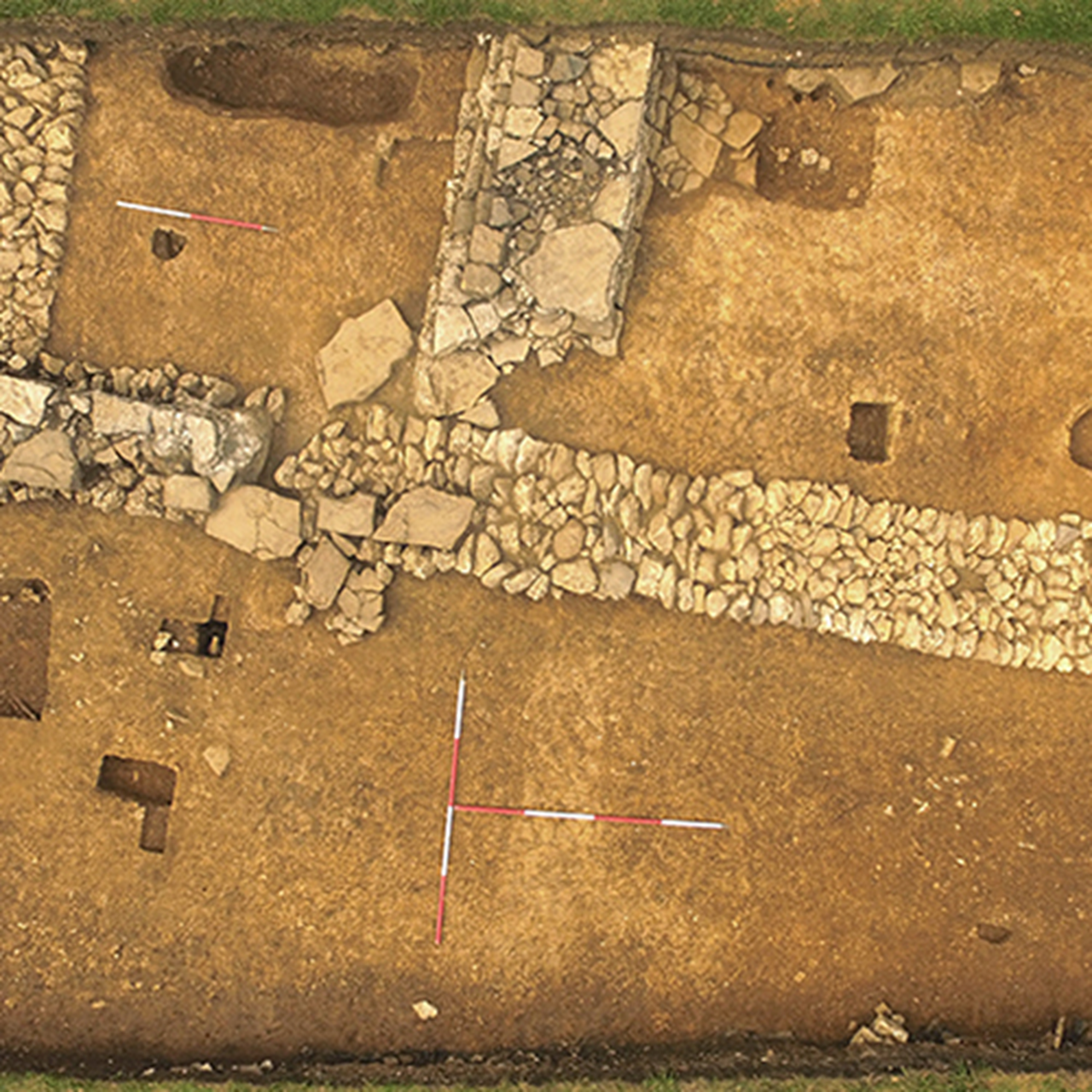
Archaeologists have uncovered a hidden dimension of medieval life in England by analyzing tooth enamel from burial sites in the Peak District. This research reveals not only the environmental impact of lead mining but also how social status and gender shaped individual health outcomes in pre-industrial communities.
Lead Pollution in Medieval Mining Communities
Researchers studied tooth enamel from skeletons buried between 650 and 1500 CE in three cemeteries across the Peak District. Tooth enamel forms during early childhood and solidifies before age five. It locks in environmental exposures at that time, making it a reliable record of early-life pollution.
Lead levels in the enamel were exceptionally high, especially in the late 12th and early 13th centuries. These levels may have surpassed those seen during the Industrial Revolution—despite the Industrial Revolution beginning centuries later. This shows lead pollution was a major issue in medieval times.
When Did Lead Mining Revive?
Lead mining began in Roman times but declined after the 5th century with the Roman Empire’s collapse. The study finds a revival in the mid-7th century, during the early Anglo-Saxon era. This matches historical records of local mining activity.
Historians have long debated whether mining restarted after the Roman withdrawal. This research offers environmental proof that production resumed in the early medieval period, peaking in the 12th and 13th centuries.
Who Was Most Affected?
Not everyone faced the same risks. Men buried with high-status grave goods—like pottery or jewelry—showed very low lead levels. This suggests elite families may have controlled mining or had safer conditions.
People buried without such items, especially in the 7th century, had much higher lead levels. These individuals likely lived in lower-income households with poor ventilation or no clean water.
Three women in the study had severe lead poisoning and died between 17 and 25. Lead stored in the body can be released during pregnancy. This raises concerns about reproductive health and higher risks of miscarriage or infant death.
How Did Children Become Exposed?
Children were exposed in two ways: through polluted homes or by helping process lead. They may have broken ore into smaller pieces for smelting—a task involving lead dust.
Home environments were often polluted. Lead pipes and cookware were common in ancient homes. These materials increased daily exposure.

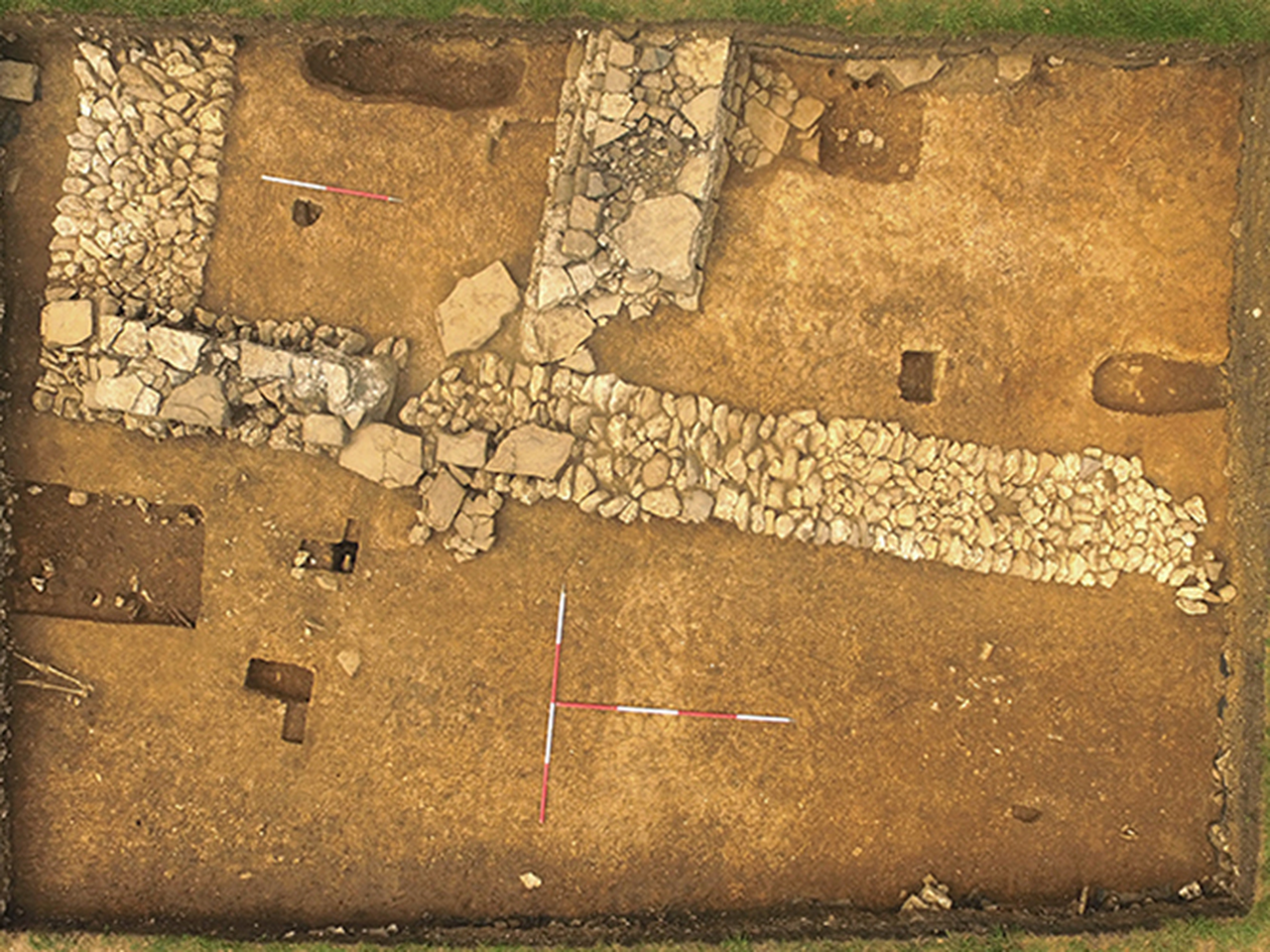
Children near mining sites faced lead-laden air and soil. Combined with labor, this created a dangerous daily reality for many families.
Why This Matters
For the first time, researchers can link pollution to social inequality in medieval England. Lead poisoning wasn’t just a modern issue—it was a real part of daily life.
Women and lower-status people bore the brunt of pollution. This challenges the idea that environmental health risks only emerged during industrialization.
Childhood lead poisoning can cause brain damage, stunted growth, and cognitive issues. Yet all individuals lived to adulthood. This suggests stable, generational employment in mining communities.
Limitations and Open Questions
The study does not prove lead exposure caused early deaths. Correlation does not mean causation. Medical diagnoses require post-mortem or modern testing.
It doesn’t cover full social context—like diet or access to medicine. Future research could explore how lead interacted with other health factors.
The sample comes only from burial sites. This may not represent the full population. But consistent results across cemeteries make the findings reliable.
What to Watch Next
Future research might explore lead use in other medieval industries. Studies on ancient cosmetics—like kohl—could show how lead entered elite daily life. In ancient Egypt, upper-class men and women applied kohl, a powder made from lead sulfide, around their eyes for beauty and health.
Using biological evidence to study social divides is growing. This research shows that even before industrialization, communities faced serious environmental health challenges shaped by class and gender.
The findings were published in the journal Antiquity and are available at Smithsonian Magazine.
Sources & further reading
Featured image: original publisher image. Via original publisher. Image source