President Donald Trump reiterated his description of Russian President Vladimir Putin as ‘my friend’ on Saturday, posting an intimate photo tribute on his Truth Social platform. Source: independent.co.uk.
What Happened
Trump made the statement during a recent visit to China, where he referred to Putin as a close ally. The remarks drew immediate criticism from international observers and U.S. allies.
On Saturday, he shared a personal photograph of himself and Putin, captioned with a message that emphasized their friendship. The post was posted directly on Truth Social, a platform known for its conservative audience and limited editorial oversight.
Key Facts
- Trump used the phrase ‘my friend’ to describe Putin during a public address in China last week.
- The post on Truth Social included a personal photo of the two leaders, showing them in a casual setting.
- The image was shared with minimal context, sparking debate over the appropriateness of such a tribute.
- Trump has previously expressed strong personal ties to Putin, despite official U.S. policy emphasizing strategic caution toward Russia.
Background
Trump’s comments come amid ongoing tensions between the United States and Russia over Ukraine, cybersecurity, and global influence.
U.S. officials have long maintained that Russia poses a strategic threat, particularly in Eastern Europe. The U.S.
Why It Matters
The statement reflects a broader pattern in Trump’s public messaging: a blending of personal relationships with geopolitical assessments.
It raises questions about how such statements may influence public perception of U.S.-Russia relations, especially in international media and among foreign audiences.
Some experts argue that framing Putin as a ‘friend’ could undermine diplomatic credibility and misrepresent the complexity of bilateral relations.
Limitations and Open Questions
The original source does not confirm whether the photo was taken during an official meeting or a private event.
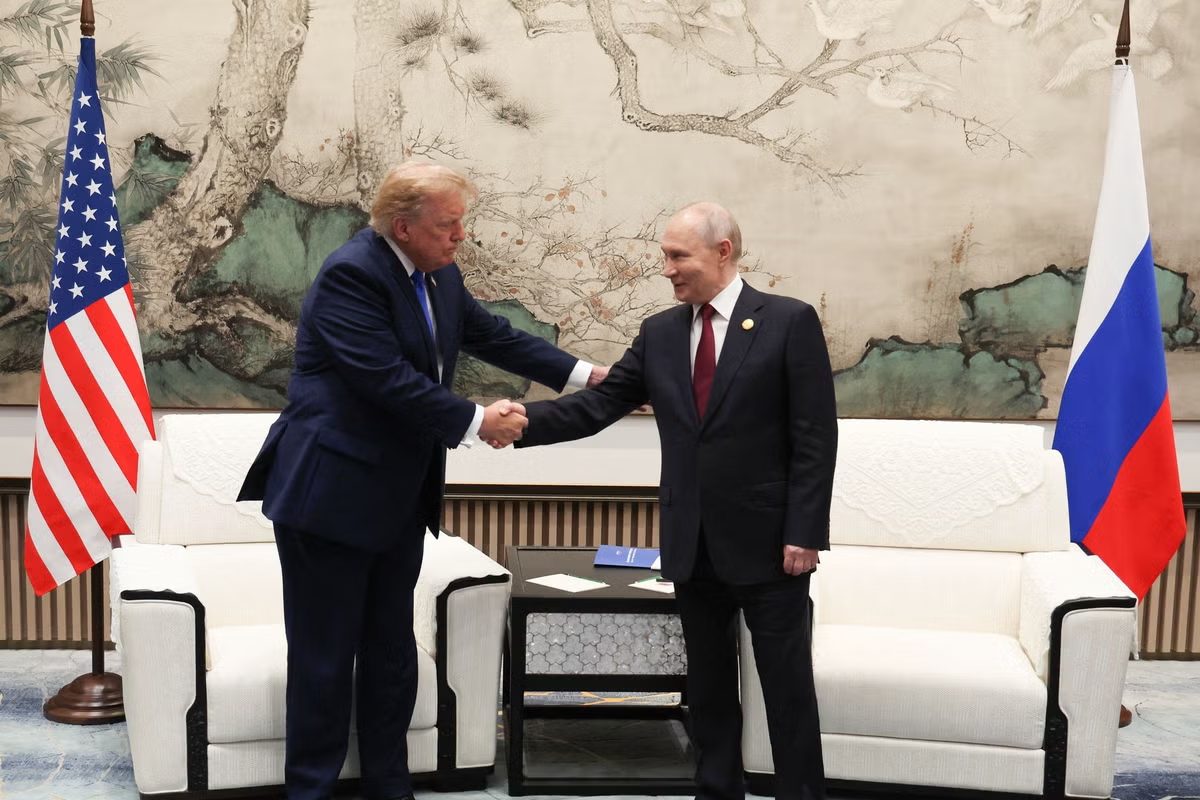
While the post is public, it lacks detailed context about the setting, timing, or mutual intentions behind the image.
International reactions remain mixed. Some media outlets have called the remarks ‘inappropriate’ or ‘out of step’ with current U.S. foreign policy.
What to Watch Next
U.S. diplomatic statements on Russia may reflect a shift in tone or messaging in response to Trump’s public comments.
Trump’s future public appearances, especially in international settings, could reveal whether the ‘friend’ narrative continues or evolves.
Media coverage of the incident may influence how global audiences interpret U.S. leadership and foreign policy consistency.
For more on Trump’s foreign policy statements, see Trump celebrates Democratic endorsement shift amid backlash.
Trump’s use of personal language in foreign policy remains a point of debate among political analysts and international relations scholars.
While the statement is personal, its public dissemination may shape how foreign audiences view U.S. leadership and its approach to global power dynamics.
Sources & further reading
Featured image: original publisher image. Via original publisher. Image source