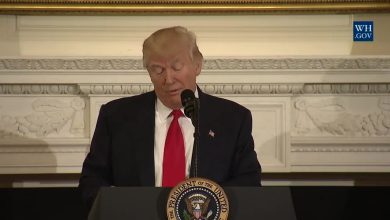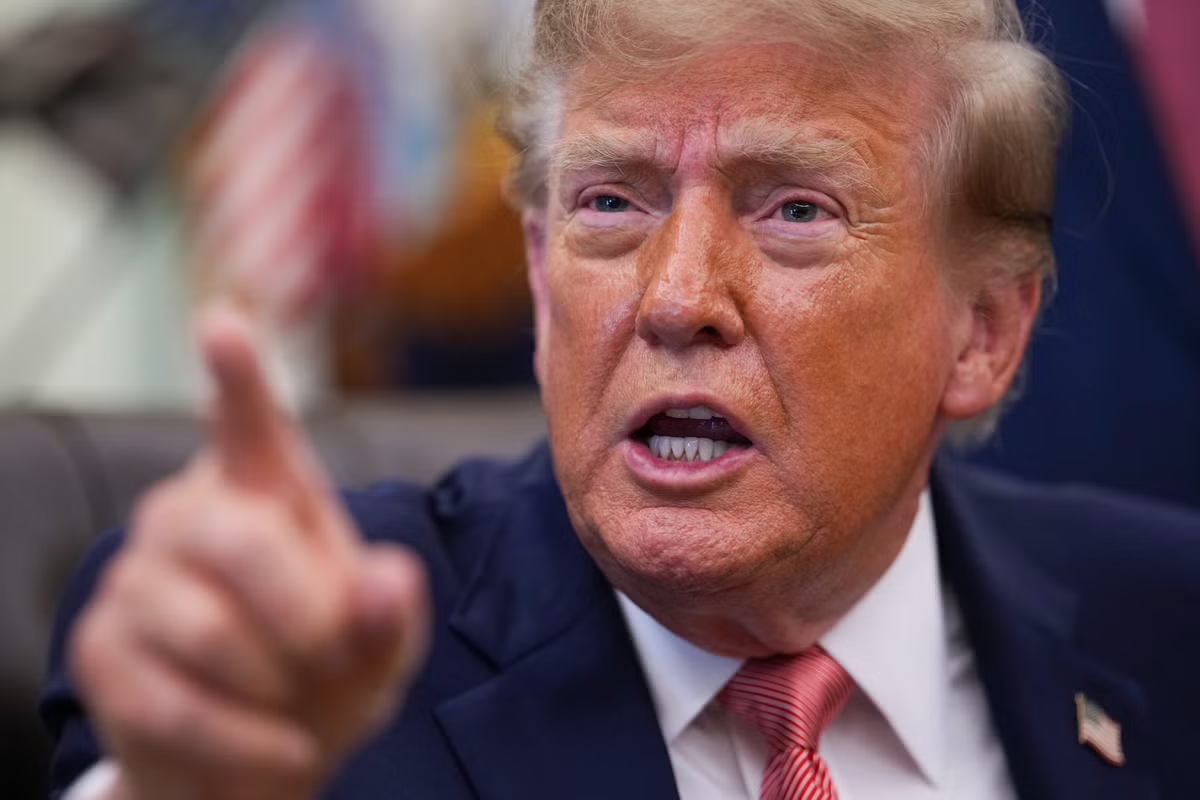
President Donald Trump has urged Ukraine to ‘settle’ with Russia, escalating tensions with President Volodymyr Zelensky. The remarks come after a controversial deal between the US and Russia to purchase Russian diesel. This has deepened concerns about Western unity and the legitimacy of peace efforts in the conflict. Source: independent.co.uk.
Trump’s Call for Ukraine to ‘Settle’ with Russia
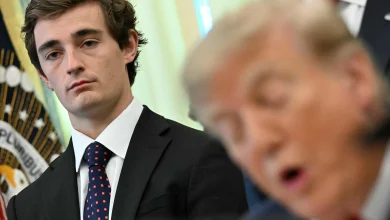
During a press briefing in the Oval Office, Trump said Ukraine must ‘want to settle this war’. He claimed Russia is a ‘big machine’ that continues to advance its goals. He said the US has given ‘a lot’ to Ukraine but received only ‘grief, death, and tremendous monetary loss’.
Trump insisted Moscow wants to ‘get the deal done’. This message downplays Ukraine’s role and suggests the US has been exploited. It shifts the war narrative from resistance to negotiation, undermining Ukraine’s sovereignty.
Ukrainian Response and Public Backing
Volodymyr Zelensky rejected Trump’s calls for peace without Ukraine. He praised ‘real leaders’ in Europe who support Kyiv. He emphasized Ukraine’s war is about defending sovereignty, not seeking a ‘settlement’ with Russia.
A Kyiv International Institute of Sociology (KIIS) poll shows public trust in Zelensky rose from 43% to 57% between 8 and 16 October. Distrust fell from 52% to 39%. This reflects growing frustration with Trump’s statements, which many see as damaging to Ukraine’s legitimacy.
US Special Envoy to Meet Russian Leadership
Steve Witkoff is scheduled to meet Russian President Vladimir Putin on Wednesday. The meeting follows a discussion in Oslo with Zelensky. Ukraine presented new proposals on de-escalation and civilian protection during the Oslo talks.
The goal is to build on progress with Ukraine and Europe. Witkoff’s visit to Saint Petersburg may open direct US-Russia talks. But Ukraine is not represented. This raises serious concerns about the fairness and legitimacy of any peace process.
Trump’s Plan for Peace Talks Without Ukraine
Trump has proposed that Zelensky be replaced in peace talks with Putin. The talks would take place in China. This plan has been widely criticized as impractical and dangerous.
World affairs editor Sam Kiley calls it a ‘ludicrous plan’. It risks making the US a Russian proxy. Peace talks should include Ukraine, as it is directly affected. Such a move could set a dangerous precedent for future conflicts.
US Intelligence and Military Aid Disputes
Marco Rubio acknowledged that a consignment of US air defence missiles bought by European allies for Ukraine may not have been delivered. He downplayed the issue, saying it does not reflect broader US policy.
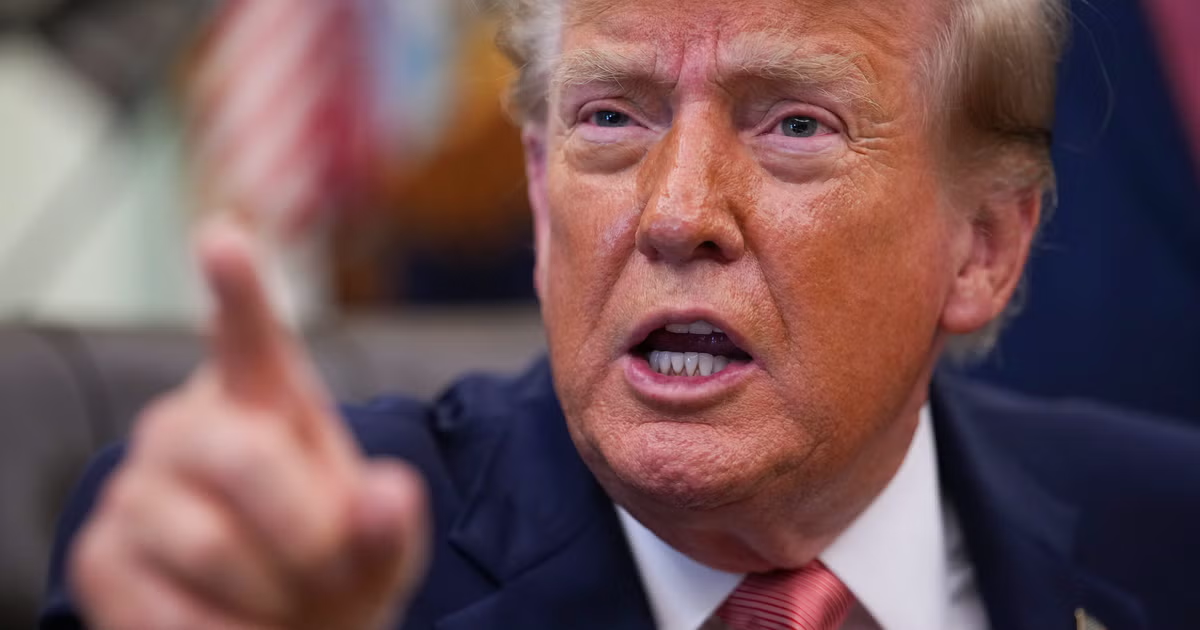
Trump has faced criticism from Republicans for ‘giving aid and comfort’ to Putin. The US has not provided military aid since Trump took office. This shows a lack of consistent support for Ukraine, raising questions about US foreign policy.
Starlink Outage and US Government Responsibility
Elon Musk ordered a slowdown of a military-grade Starlink system used by Ukraine. The Wall Street Journal reported US officials confirmed the action. This move interfered with Ukraine’s combat communications.
When Ukraine’s foreign minister criticized the slowdown, Musk said: ‘Starshield systems are owned and controlled by the US government. Any limits are decided by the US military and POTUS.’ Defense officials deny this, saying Starlink operates under its own terms of service.
Defense Secretary Pete Hegseth said: ‘We haven’t pulled anything back.’ The outage raises concerns about reliable communications during active conflict.
Recent Escalations in the Conflict
On Wednesday, Russian drones killed two people near Kharkiv. Governor Oleh Syniehubov confirmed the attack on Telegram. Eleven others suffered stress reactions. The attack hit private homes and caused damage.
These strikes show ongoing Russian attacks on civilian areas. They highlight the human cost and vulnerability of urban centers. The incident also reminds us that military actions must consider humanitarian impacts.
Why This Matters
Trump’s actions signal a shift away from Western alliances. This weakens NATO and undermines US credibility. It risks alienating Ukraine, which depends on Western support.
Europe must stand firm. The UK and other allies must ensure Ukraine is included in any peace talks. Peace negotiations must involve all directly affected parties, especially those on the front lines.
What to Watch Next
- The outcome of Witkoff’s meeting with Putin.
- Whether the US delivers the promised air defence missiles to Ukraine.
- Public reactions to the Starlink outage and its impact on communications.
- How Ukraine’s trust ratings evolve in the coming weeks.
- The implications of any peace proposals that exclude Ukraine’s leadership.
These developments will shape the conflict and US-Europe relations.
Sources & further reading
Featured image: original publisher image. Via original publisher. Image source