A Japanese monk claims he smuggled NASA UFO footage out of the U.S. in the early 1990s and hid it in a 1996 PlayStation 1 game. This claim, shared on a podcast, has since led to a digital investigation that extracted 90 video clips from the game.
What Happened
Josen Takano, a monk and curator of a space and UFO museum in Hakui, western Japan, visited NASA’s Johnson Space Center in the early 1990s. He says he asked officials for permission to review UFO photos and videos. He claims he copied the material and moved it from Houston to Los Angeles, where he stored it securely.
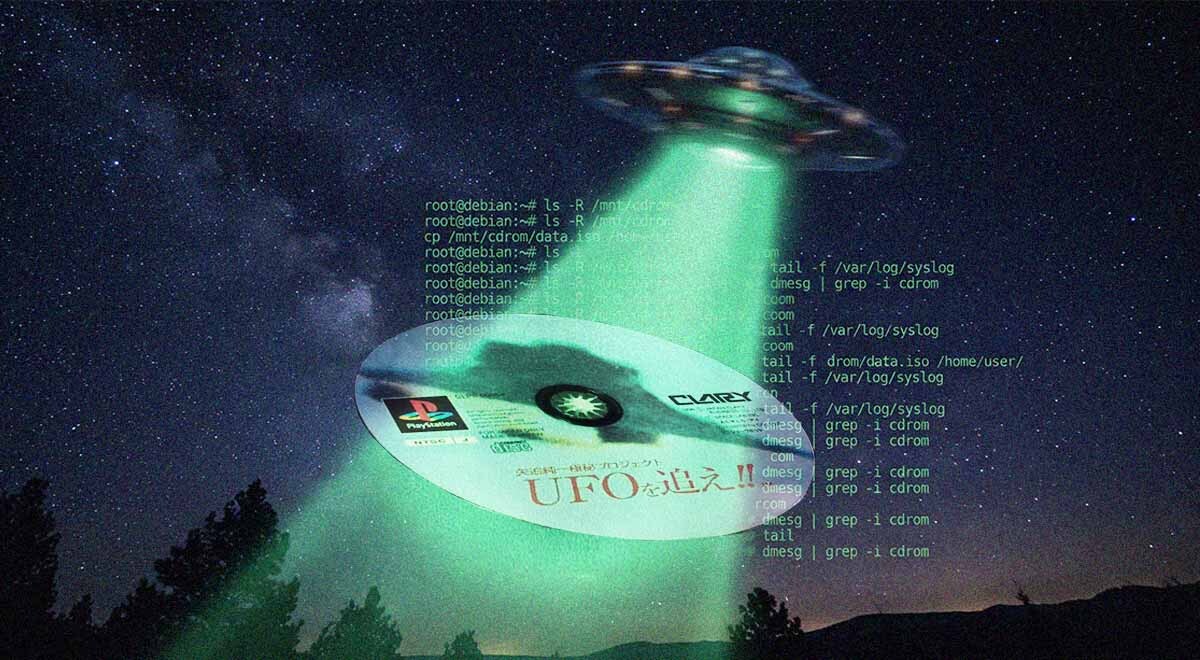
Takano says he never shared the footage. He does not currently have the original files. Instead, he claims the material ended up in a Japanese PlayStation 1 game called Junichi Yaoi: Top Secret Project: Chase the UFO. He called it his ‘flagship product,’ showing personal investment in the game.
How the Footage Was Recovered
After a podcast episode aired, a Reddit user found the game’s ISO file. The user used a Linux system to analyze it. The video sequences were broken, out of order, and had mismatched frame sizes.
To fix these issues, the user used Anthropic’s Claude AI to write a custom Python script. The script normalized frame sizes, reassembled the clips in order, and synced audio with video. The process relied on standard retro gaming file formats and metadata.
The clips were uploaded to YouTube in three parts. This allowed the public to view and analyze them. The effort shows how modern tools can unlock hidden content in old media.
Content of the Footage
The videos vary in quality. Some show grainy space scenes with floating objects like fireflies. Others show objects with tail-like formations, described as ‘bogeys.’ One clip features a glowing diamond-shaped object.

One clip shows a foil structure that appears to be smoking. The user called this footage ‘genuinely horrible,’ suggesting poor quality or possible manipulation. This highlights the need to evaluate such content critically.
Community Response
Some Redditors say the clips have been available for years. Others see the discovery as a major moment in UFO lore. One called it ‘strangely appropriate’ that such material was hidden in a Japanese game.
One user labeled it ‘UFO lore’ — a cultural story, not verified evidence. Another noted the public’s long-standing interest in government secrecy and unexplained events. The response shows how online communities can independently verify digital content.
Limitations and Uncertainties
No official records confirm the monk’s claims. There’s no proof the game contained real NASA footage. The content was not encrypted or protected. It was simply stored in a game file.
The videos may have been created for artistic or fictional purposes. It’s unclear if they are real NASA material or a made-up sequence. Authenticity remains unverified.
Why It Matters
This case shows how Linux and AI can be used to explore old media. It highlights public interest in UFOs and government secrecy. It demonstrates how internet communities can analyze digital artifacts without institutions.
The footage isn’t scientific proof. It only shows a technical effort to recover content from a game. The story remains a curiosity — blending personal claims, technical work, and online verification.
More research is needed to confirm whether the videos are real or fictional. For those interested in digital archaeology, this is a clear example of how modern tools can reveal hidden layers in old media.
Learn more about the original story at Cybernews.
Sources & further reading
Featured image: Linux user cracks PS1 game where a monk says he hid NASA UFO footage. Via original publisher. Image source