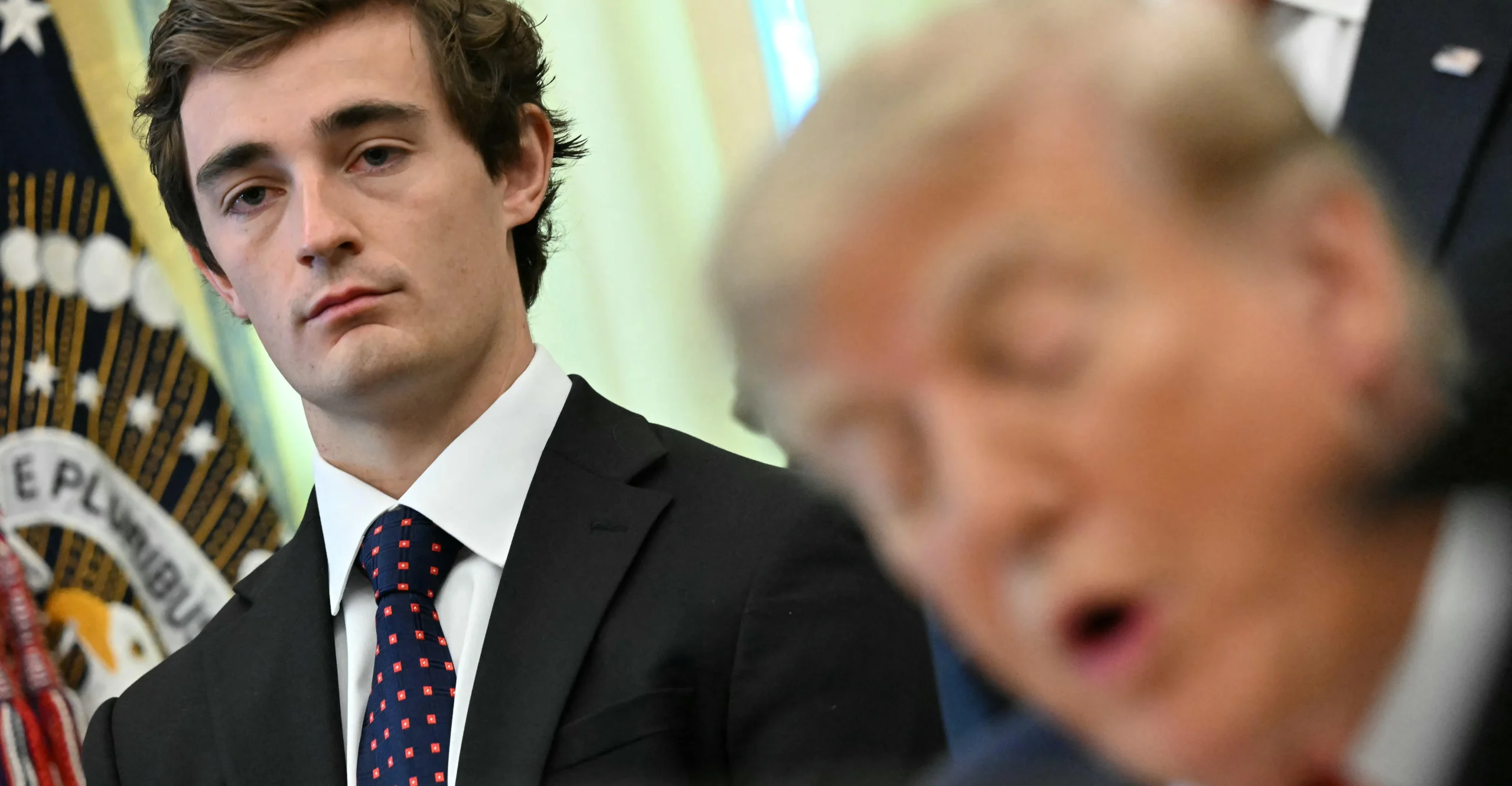
On October 20, 2026, U.S. President Donald Trump and Vice President JD Vance announced a $25 million fraud bounty program and a $10,000 payment to right-wing YouTuber Nick Shirley. Source: theverge.com.
What Happened
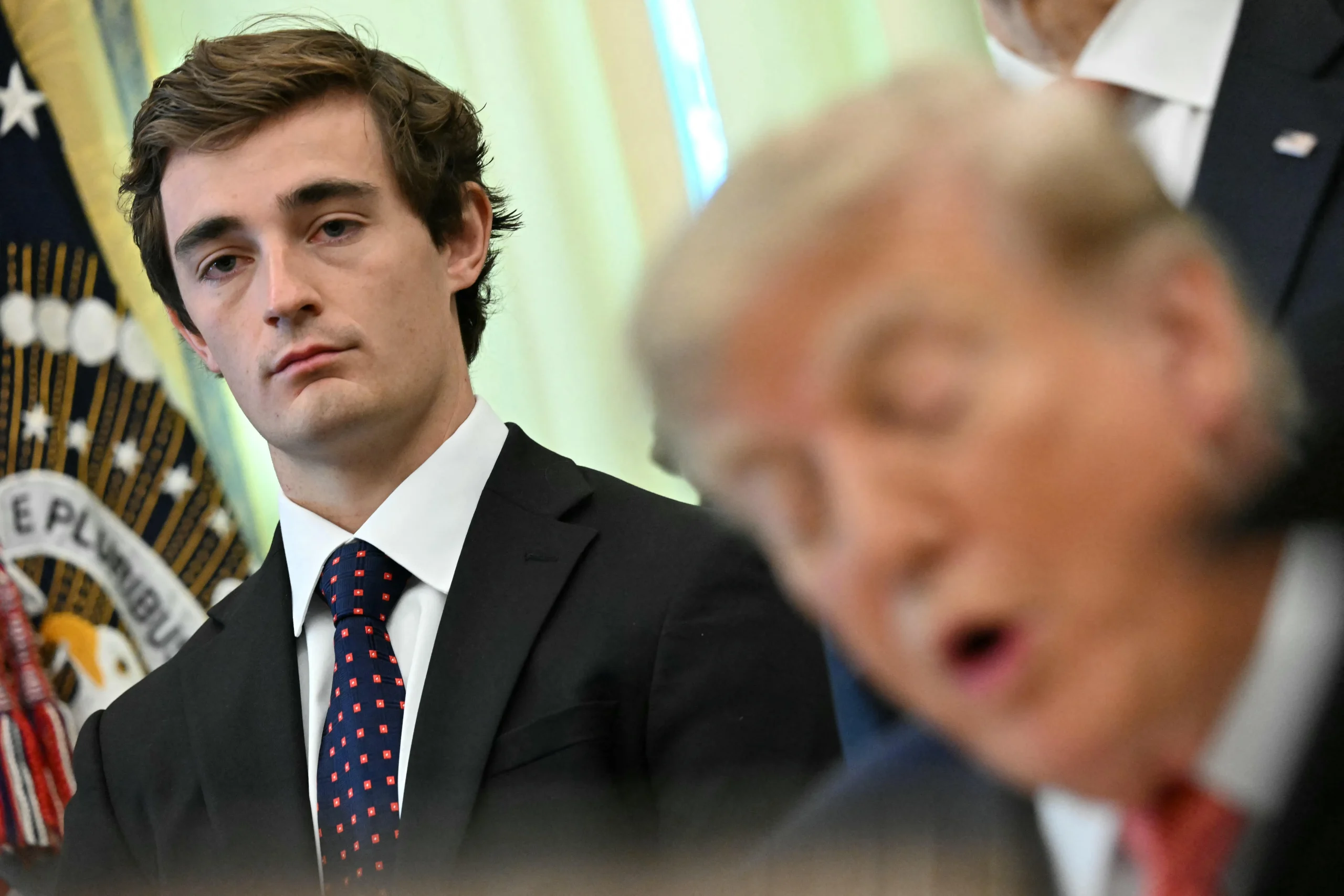
The announcement occurred in the Oval Office of the White House in Washington, D.C. Trump and Vance said the administration would launch a public reporting initiative to identify fraud in key sectors of American life.
The program, called the Fraud Whistleblower Incentive Program (WHIP), is open to anyone who believes they’ve seen fraud. It focuses on areas like hospice care, home healthcare, daycares, and special services.
Right-wing influencer Nick Shirley received $10,000 as part of the initiative. In December 2025, he released a viral video claiming to have found fraud at Somali-run childcare centers in Minnesota.
Shirley’s Approach to Fraud Allegations
Shirley stayed in parking lots and repeatedly asked to enter childcare centers. He treated each refusal as proof of fraud.
The video spread quickly and triggered a federal response in Minnesota. Immigration agents arrived, and the Trump administration froze federal childcare funding for the state.
Later, state officials found the centers were operating normally. The Minnesota Department of Human Services confirmed no fraud existed.
Since then, Shirley has visited other states—like California—under similar tactics. He has unannouncedly shown up at grocery stores and hospice centers, claiming to gather fraud evidence.
How the Program Works
The WHIP program uses a public chatbot on a government website. Users are guided to describe what they saw, heard, or read.
- They are asked to keep descriptions brief—just a few sentences.
- They can include names, dates, amounts, or records if available.
- They must note any uncertainties in their observations.
Participants may earn up to $30,000 if their tip leads to a conviction or major federal action.
But during a press briefing, Trump said the $30,000 cap does not apply.
One percent of $1 billion is $10 million—far above the $30,000 limit. This has raised concerns about exaggerated or unverified claims.
The White House has not explained how the $10,000 payment to Shirley was calculated or how the $25 million fund will be funded.
Responses and Criticisms
Minnesota officials criticized Shirley’s methods. A Department of Human Services spokesperson said: ‘Our investigations began long before Shirley arrived. We found no fraud. His actions do not meet formal investigation standards.’
The state had already conducted on-site visits, staff interviews, and record audits. All confirmed the centers operated legally and safely.
Media ethics experts warn the program may encourage unverified claims. In sensitive areas like hospice and home care, emotional stakes are high. Such claims could spread misinformation.
Shirley has been praised by MAGA-aligned content creators. He is now a key figure in a growing genre of independent journalism—where influencers confront businesses to claim fraud.
This form of journalism lacks oversight, legal standards, or verification. Critics say it may damage public trust in real investigations.
Limitations and Open Questions
There is no public data on how many tips have been submitted or how many led to actual investigations.
It is unclear if the program will be reviewed by independent bodies or federal fraud agencies.
No public details exist about claim verification, reward distribution, or safeguards against abuse or harassment.
The program has not been evaluated for fairness, effectiveness, or potential misuse.
For more on Shirley’s earlier work, see this article. For broader context on right-wing influencers, see this piece.
The administration has not released a detailed plan for how the program operates, how it is governed, or how it ensures rewards are only given for proven fraud.
Sources & further reading
Featured image: original publisher image. Via original publisher. Image source