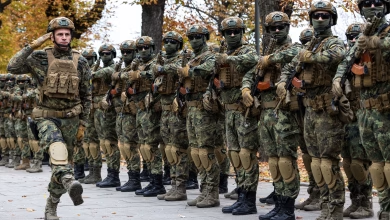
The UK government has launched a new emergency preparedness campaign, urging households to prepare for disruptions caused by extreme weather, cyber attacks, and potential conflicts. This initiative, known as the ‘Be Ready’ campaign, marks the beginning of a three-year effort to strengthen household resilience in the face of growing and complex threats. Source: independent.co.uk.
What the Government Is Recommending
Defence Secretary Wes Streeting has introduced the ‘Be Ready’ campaign as part of a broader strategy to promote a ‘whole society approach’ to national resilience. The campaign focuses on practical, everyday actions that individuals and families can take to ensure they are ready for short-term emergencies—such as power cuts, water shortages, or disruptions to digital services.
Residents are advised to keep a three-day emergency supply of essentials. This includes bottled water, non-perishable food, and other basic items. The government has released a detailed checklist to help households build an emergency kit tailored to their needs.
- Bottled water — 3 litres per person per day for drinking and hygiene, with extra water for cooking and cleaning.
- Non-perishable food — such as tinned meat, fruit, vegetables, and pasta, with a tin opener. Include pet food if you have animals.
- Hygiene items — hand sanitiser and wet wipes to stay clean when tap water is unavailable.
- Light and warmth — a torch with spare batteries, blankets, sleeping bags, and warm clothing for comfort in cold or dark conditions.
- Power sources — a portable power bank to charge phones, and a battery or wind-up radio to get updates during a power cut.
- First aid kit — essentials like waterproof plasters, antiseptic, bandages, medical tape, tweezers, and a thermometer.
- Baby supplies — nappies and ready-to-feed formula, as boiling water may not be possible during a disruption.
- Cash and documents — a mix of cash, copies of IDs, and a list of key phone numbers, including medical contacts.
- Prescription medication — enough to last several days. Include backup batteries for medical devices.
- Device instructions — printed manuals for any medical equipment, like insulin pumps or oxygen concentrators.
Streeting said the campaign is about simple, everyday actions. He asked: “Do they have what they need indoors? Should they lose access to online banking? Should they have a power cut?” He stressed people should stay ‘alert not alarmed’—aware, but not panicked.
Many of these items are already in homes. The campaign encourages storing them in one place, ideally visible even when lights are off.
Key Threats the Government Is Monitoring
The government has updated its national risk register to include climate-related events and geopolitical tensions. These include record-breaking heatwaves, wildfires, and threats of foreign interference in democratic processes.
Extreme heatwaves this summer caused prolonged droughts. These have led to widespread wildfires and raised food security concerns. Analysts from Shore Capital warn that five back-to-back heatwaves could destroy current harvests, leading to shortages later this year and greater reliance on imports.
The National Farmers Union says the situation is ‘increasingly concerning.’ Dairy farmers have stopped growing grass and now use winter feed. This could reduce milk production and strain agricultural output.
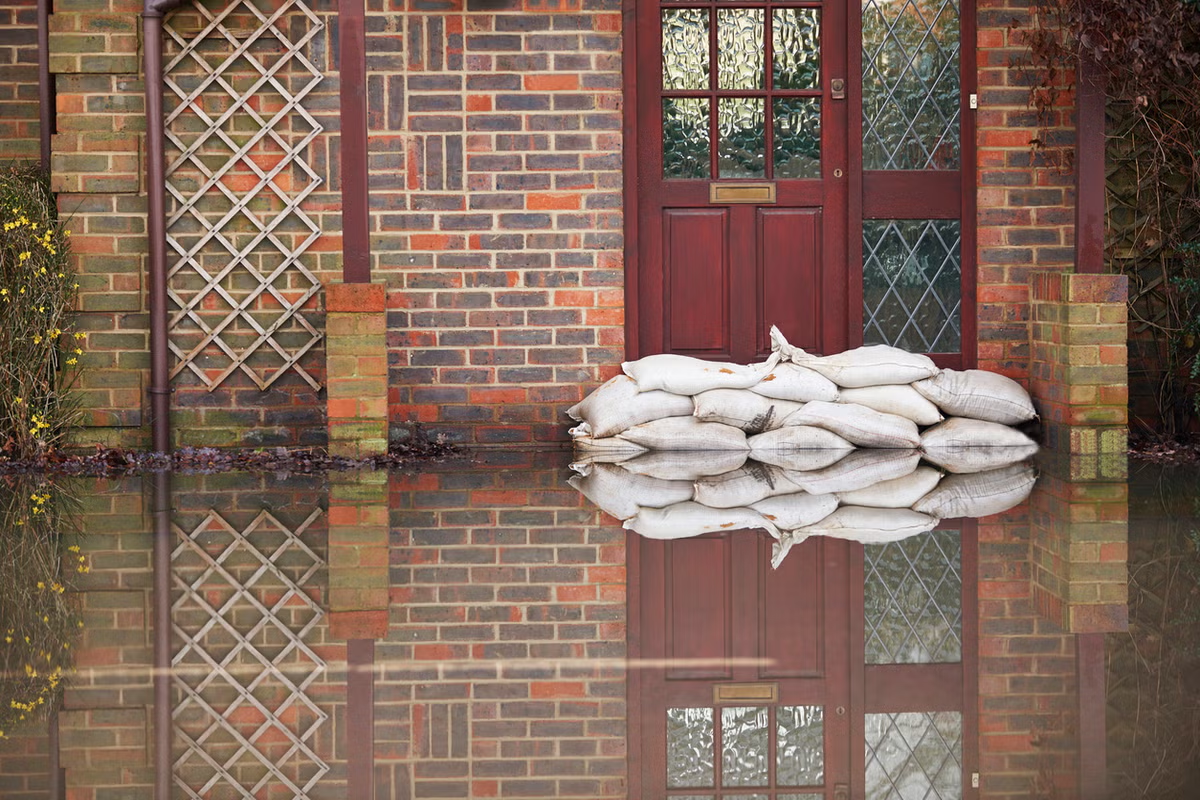
Security data shows a sharp rise in drone attacks on UK defence sites. By August 2026, 340 incidents were recorded. In 2025, there were 250—double the 126 from the previous year.
Vladimir Putin’s government has stated that British facilities in Ukraine could be considered ‘legitimate targets’ if used to support long-range strikes against Russia. This has raised concerns about escalation and the vulnerability of UK infrastructure.
Why This Matters Now
Climate change and geopolitical tensions are growing together. The UK now faces multiple, interconnected risks. The ‘Be Ready’ campaign is a planning tool—not a prediction—designed to help people respond when disruptions happen.
It covers short-term emergencies like power cuts or water outages. It does not prepare for full-scale war or long-term societal collapse. Experts note the guidance is practical and based on current risks, but may not fully address deeper system weaknesses in infrastructure or supply chains.
Residents are encouraged to review the official emergency kit checklist on the government website. They should adapt it to their household’s needs. The campaign promotes preparedness without fear, showing that resilience starts at the home level.
For those with medical devices or chronic conditions, having printed instructions and backup power is essential.
Experts suggest including high-protein foods like peanut butter, kidney beans, and tinned fish, along with carbs such as rice and pasta. These items store well, are easy to access, and provide sustained energy during emergencies.
Ultimately, the campaign reflects a growing awareness that modern threats—ranging from climate change to cyber attacks and foreign interference—are not isolated. They are linked challenges that require both individual and collective action.
Sources & further reading
Featured image: original publisher image. Via original publisher. Image source