
I don’t often agree with Health and Human Services Secretary Robert F. Kennedy Jr., but he was right when he told Congress that China is “eating our lunch” when it comes to developing new treatments and cures. The question facing the United States right now is simple: Do we want our prescription refills to be approved or denied by Chinese Communist Party-controlled pharmaceutical companies? Without swift action by Congress and the administration, America’s medicines, and the lives that depend on them, risk becoming Beijing’s next bargaining chip.
It should be clear by now that China does not compete within the global trading system—it exploits it. China plays nice with Western companies while it gains expertise and creates U.S. supply chain dependence on China—until it no longer needs Western partners. At that point, American companies are expendable and U.S. leverage has disappeared.
As Michigan’s United States senator for 24 years, I had a front-row seat to witness how this played out for our American auto industry. China used joint ventures and market access rules to extract American and European automotive expertise, then built a globally competitive electric vehicle sector that now threatens our manufacturers at home and abroad.
Although President Joe Biden acted to keep Chinese vehicles out of the U.S. market, Europe has not had the same restrictions. Chinese auto manufacturers now make up one of every 10 cars sold in the region. To make matters worse—using in large part stolen American technology and supply chain innovations—China has the capacity to produce enough vehicles annually to supply the entire U.S. market.
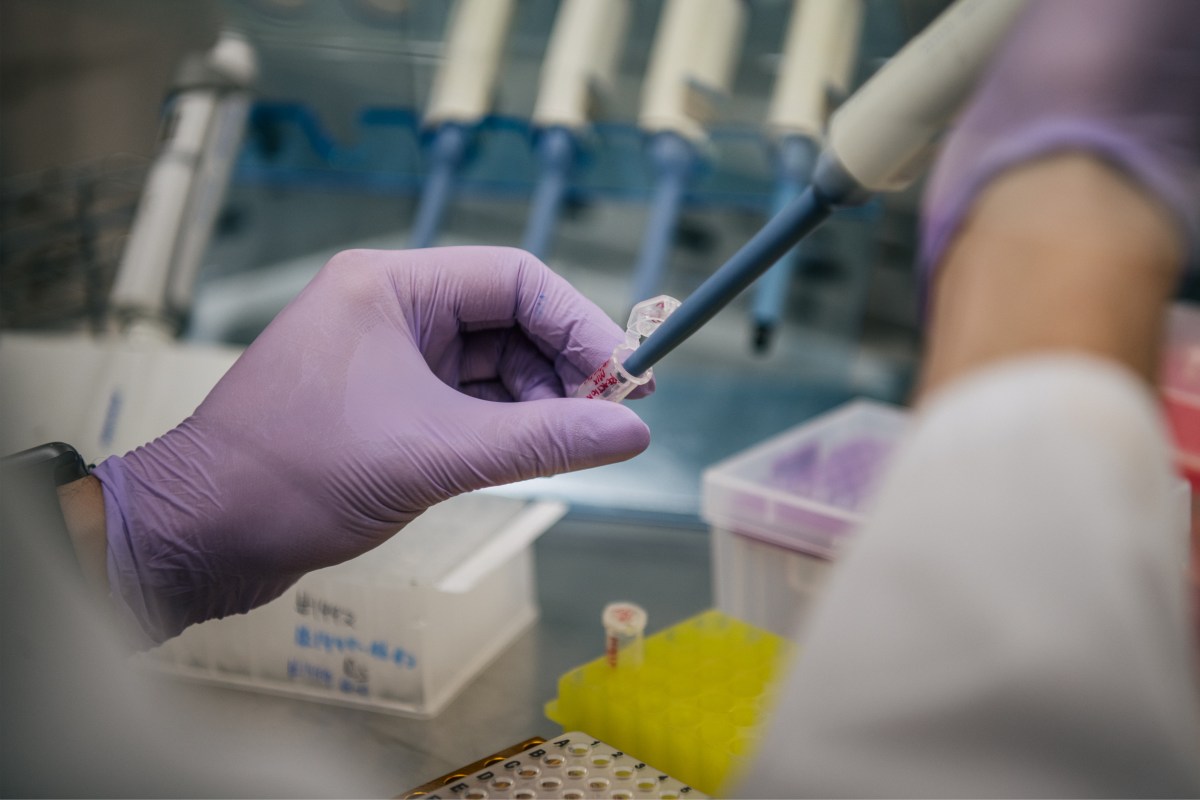
China is now running the same playbook in the pharmaceutical sector. Only this time, the core asset is clinical development of our medicine. Industry executives privately acknowledge that many Phase I and II trials run three to five times faster and at roughly half the cost in China than in the United States. This is not the result of superior efficiency. Instead, it reflects heavy state subsidization and regulatory standards that sacrifice ethics and scientific rigor. In fact, many of these clinical trials are taking place at People’s Liberation Army hospitals and in the Uyghur autonomous region in Xinjiang, where human rights abuses are well documented. This isn’t a secret to the Food and Drug Administration (FDA)—you can look the trials up right now on ClinicalTrials.gov.
This creates two serious problems. First, we are transferring intellectual property, expertise and regulatory know-how to a major strategic competitor and adversary. Second, we are creating a new choke point: When China inevitably restricts access in order to control the development of new medicines, the United States will no longer have the infrastructure to run these trials at scale.
The good news is that we still have time to reverse course if we act now. Shockingly and inexplicably, the now leaderless FDA allows companies to rely on clinical data generated in China that it has never inspected, as if it were produced under U.S. standards. This creates a powerful incentive to offshore trials to China. This is an incentive the FDA can and should end immediately, and it’s critical the administration end the chaos and disruption and find a competent leader who can get it done. If not, Congress must step in and hold the FDA accountable.
Even more importantly, we need to cut off the flow of investment to China. And the good news is we already have a clear pathway to do it. Last year, Congress passed the bipartisan COINS Act, which restricted U.S. investment in Chinese AI, quantum and chips. Branded pharmaceuticals should be added to that list—bringing billions of dollars in investment back home and leveling the playing field for companies investing domestically.
These solutions should be a no-brainer, but the pharmaceutical industry is motivated by quarterly earnings—willing to jeopardize our national security and future access to medicines for short-term gain. Now the real fight begins, as the pharmaceutical industry deploys its nearly 2,000 lobbyists to fight any effort to rein them in and hold them accountable.
It is critical that Congress stand up for Americans and not allow access to new treatments and cures to become the next national security crisis. This is not about constraining innovation; in fact, it’s quite the opposite. Prohibiting the use of Chinese clinical trial data would preserve American leadership, protect patient access to life-saving medicines and prevent a foreseeable strategic failure that will cost us jobs and weaken our economy. The time for action is now!
Debbie Stabenow (D-MI) served four terms as Michigan’s U.S. senator (2001-2025) and was a national leader on health care and the auto industry.
The views expressed in this article are the writer’s own.
