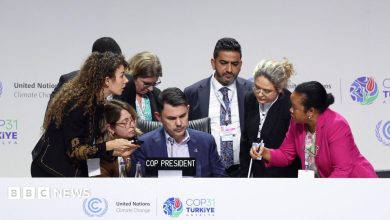
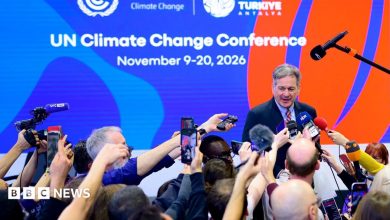
The 31st United Nations Climate Change Conference, COP31, concluded in Ankara, Turkey, without a binding agreement among nations. Source: bbc.co.uk.
What Happened at COP31?
COP31 officially ended after countries failed to reach consensus on a new global climate deal. The summit brought together nations to discuss emissions reductions, climate finance, and adaptation strategies.
Delegates presented proposals on carbon pricing, renewable energy targets, and loss and damage funding. However, disagreements persisted, particularly over how fossil fuel use would be addressed.
Key Points of Disagreement
- Developed nations urged immediate cuts in fossil fuel subsidies, citing their role in climate change.
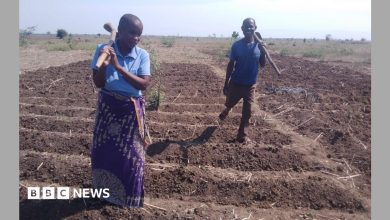
- Developing nations, especially in Africa, pushed for greater climate finance to support adaptation and resilience.
- Some countries expressed concern about economic impacts, warning that strict emissions targets could harm growth.
One official from the African Union said: ‘We need more than promises. We need real funding to protect communities already facing climate disasters.’
Why the Deal Failed
The failure to agree on a deal stems from deep divisions between nations with different economic and environmental priorities.
Developed countries argue that they have historically contributed more to emissions and should lead in mitigation. Developing nations, meanwhile, emphasize their need for financial and technological support to transition to clean energy.
There was also no agreement on how to handle fossil fuel industries, which remain central to energy production in many countries.
Background: How COP Summits Work
COP meetings are not binding. They produce political statements and recommendations, not enforceable laws. Agreements are typically made through consensus, which requires all parties to agree.
But COP31 did not produce a new treaty or framework, only a statement of intent.
What Comes Next?
With no formal agreement, the next steps will likely involve continued negotiations in the coming months and years.
Climate experts say that without a clear path forward, global emissions may continue to rise.
Some countries may pursue bilateral deals or regional agreements instead of a global framework.
Meanwhile, Africa has reiterated its demand for more climate finance. A recent statement from the African Union highlighted the need for real funding to support climate adaptation and resilience.
For a deeper look at the fossil fuel dispute, see fossil fuel dispute threats at COP31.
For more on Africa’s climate finance demands, visit Africa’s climate finance call.
Will COP31 end with a new global climate deal? That question remains unanswered. For a detailed analysis, see Will COP31 end with a new global climate deal?.
Limitations and Open Questions
The source does not provide details on specific countries involved in the disagreements or the exact nature of the proposals.
There is no mention of any follow-up meetings or timelines for future negotiations.
While the summit ended, the lack of a deal does not mean inaction. Many nations continue to implement domestic climate policies.
Experts caution that without coordinated global action, progress on climate goals will remain slow.
Sources & further reading
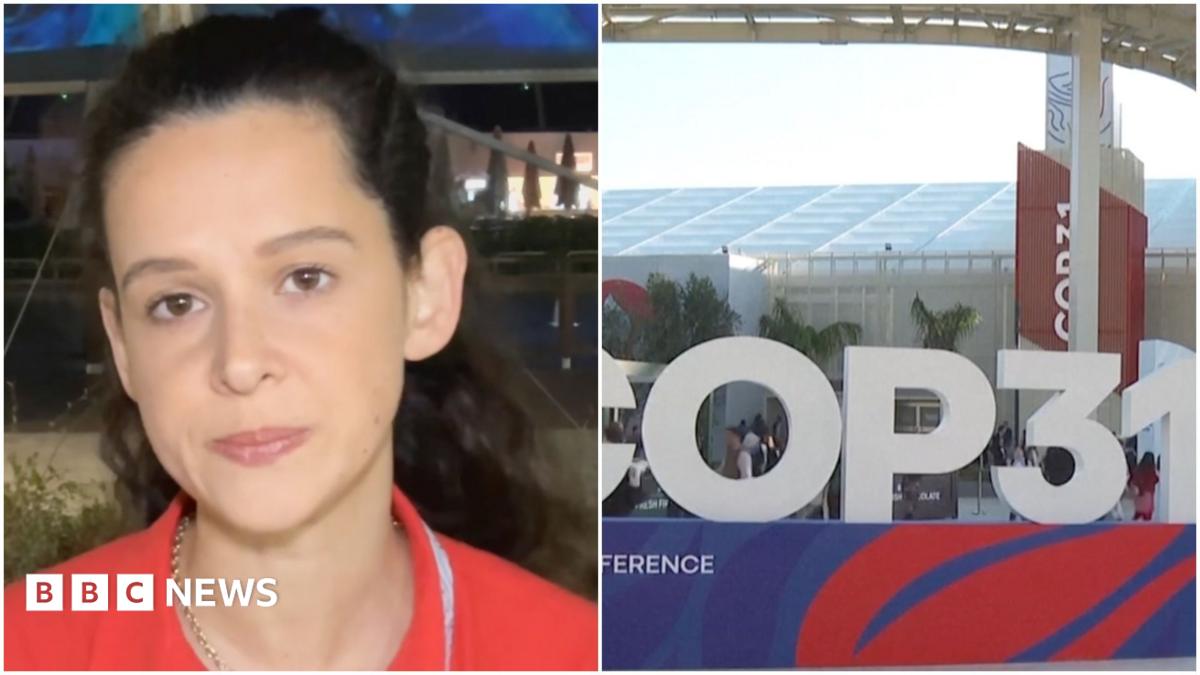
Featured image: Left – BBC female journalist and right – COP31 sign. Via original publisher. Image source