Production of the V60 Cross Country, the lone remaining Volvo wagon sold here in the U.S., just ended in April—which will soon leave Americans with fewer choices than ever for the body style. Not that many will seem to mind.
It’s no secret that unlike Europe, America has largely turned away from the traditional wagon form in favor of SUVs, with the notable exception being high-performance, low-volume models such as the Mercedes-AMG E-Class wagon, BMW M5 Touring, and Audi RS6 Avant.
We recently asked Volvo executives if they see demand for wagons returning to America, especially in light of the fact that they seem to be catching on in China, the world’s largest car market.
Wagons are something that Volvo’s customers in China are increasingly asking for, according to CEO Hakan Samuelsson. “Welcome to the club. We love them here in Europe, so we have no problem understanding that,” Samuelsson told MotorTrend during an event in Gothenburg, Sweden, marking the start of production for the 2027 Volvo EX60 midsize electric SUV.
Is the 2027 Volvo EX60 a wagon or an SUV?
SUV. Wagon. What’s the Difference?
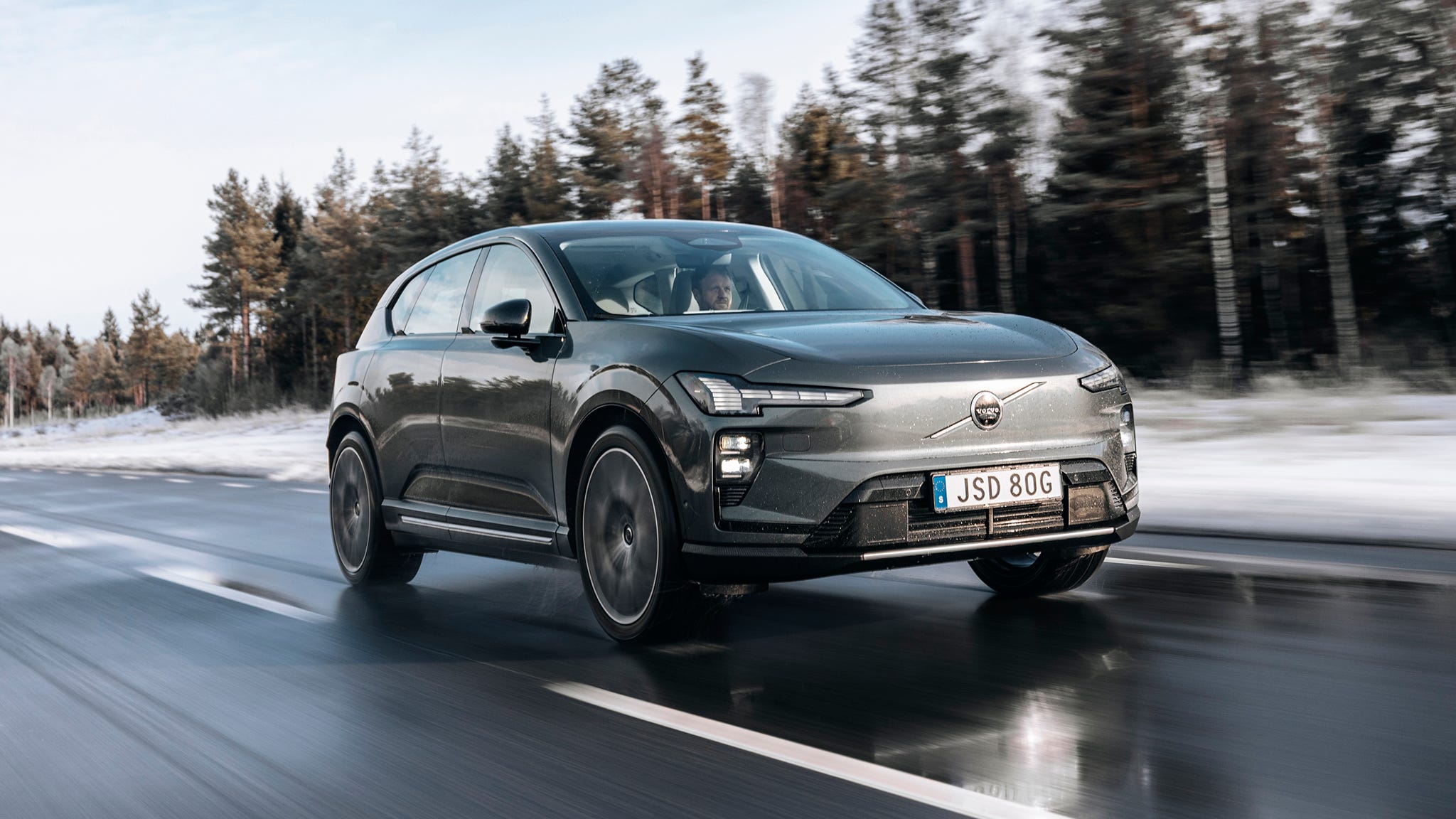
Right now, Americans want SUVs for their functionality, and Samuelsson doesn’t see that changing. But what is changing is the shape of vehicles that continue to blur the lines. He pointed specifically to the new EX60 as a case in point.
“Would you call that a wagon? I would guess 50/50,” he said of the crossover with its elongated body, softer lines, and lower stance. It stands in marked contrast to the trend in recent years of more upright, squared off SUVs designed to look tough and maximize interior space: think Ford Bronco, Hyundai Santa Fe, the pending Nissan Xterra, and of course, Jeep.
Will the trend to boxy SUVs like this Hyundai Santa Fe run its course?
Boxy SUVs Are Outdated
“These really aggressive, boxy super high city Jeeps, maybe they are a bit outdated, so it seems that people are divided. Some like softer, less aggressive. I think we are in the zeitgeist with such a car,” Samuelsson said. He believes the SUVs of the future will largely drop the big boxy look and become softer and lower for better aerodynamics.
For now, Volvo is following the current trends. The EX60 has a Cross Country version coming for the 2028 model year, which sits higher and is more SUV-like. “Right now, we’re very heavy with SUVs,” although the CEO hasn’t ruled out lower body styles for next-generation models.
“I’m a bit skeptical that everyone will love SUVs 10 years from now… Maybe the next generation will want something different from what their parents drove,” Samuelsson said. “I would be surprised if we only have SUVs 10 years from now. I think we will be back to a mix.” That would potentially include wagons and smaller and lower cars. Volvo also has the new ES90 electric sedan, which was slated for the U.S., but tariffs on Chinese-made vehicles have affected those plans.
Volvo chief commercial officer Erik Severinson said he doesn’t see SUV fatigue yet, but wagons and cars are an interesting alley to explore in different ways. For example, the ES90 sits higher than a traditional sedan but offers the sedan-like experience and ride. “We also see customers getting used to high cars so that is still a dominant segment,” Severinson said. Does he see more wagons coming for the U.S. from Volvo? “Never say never.”