Foreign Affairs
Tehran’s reliance on the Houthis complicates relations with Riyadh.
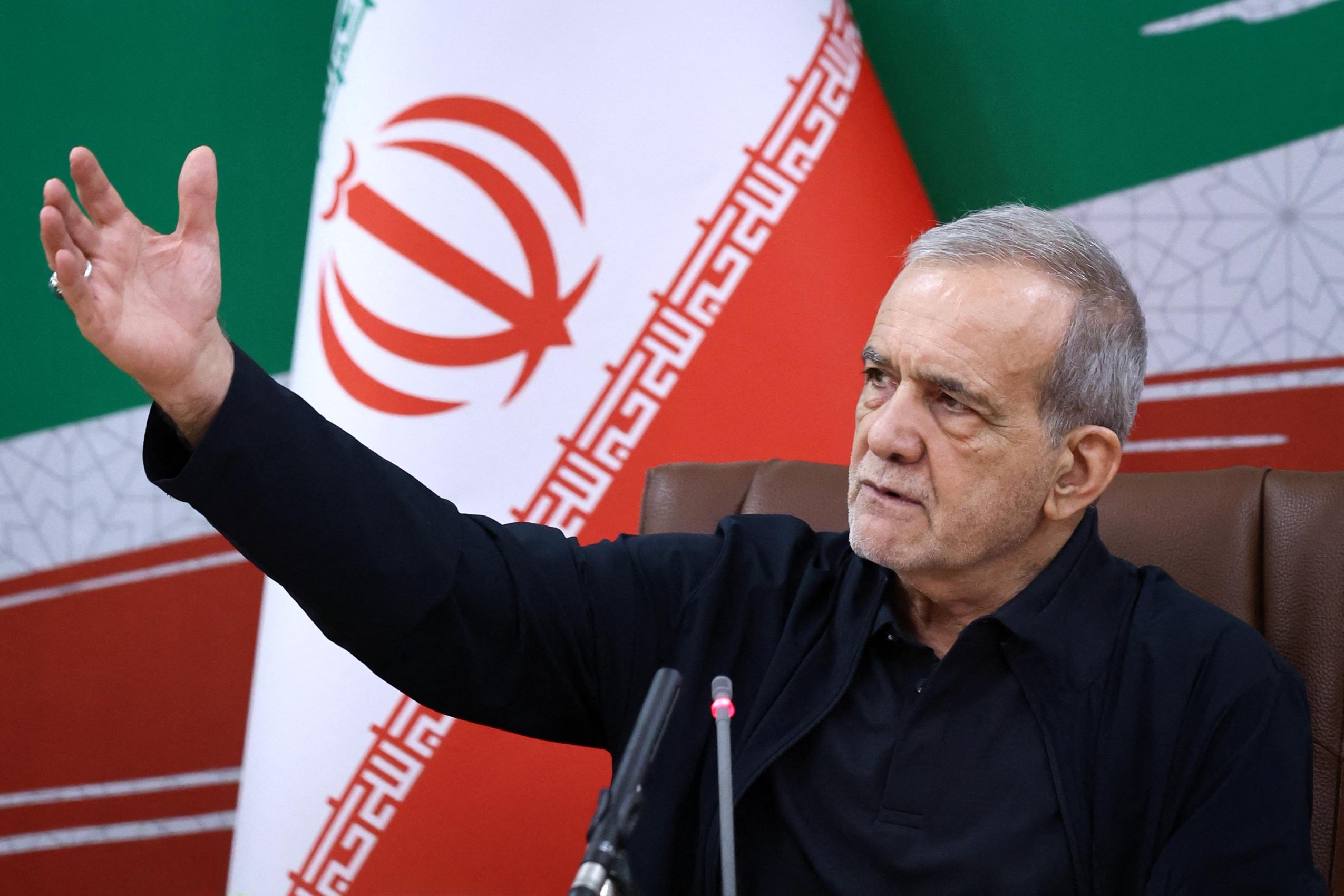
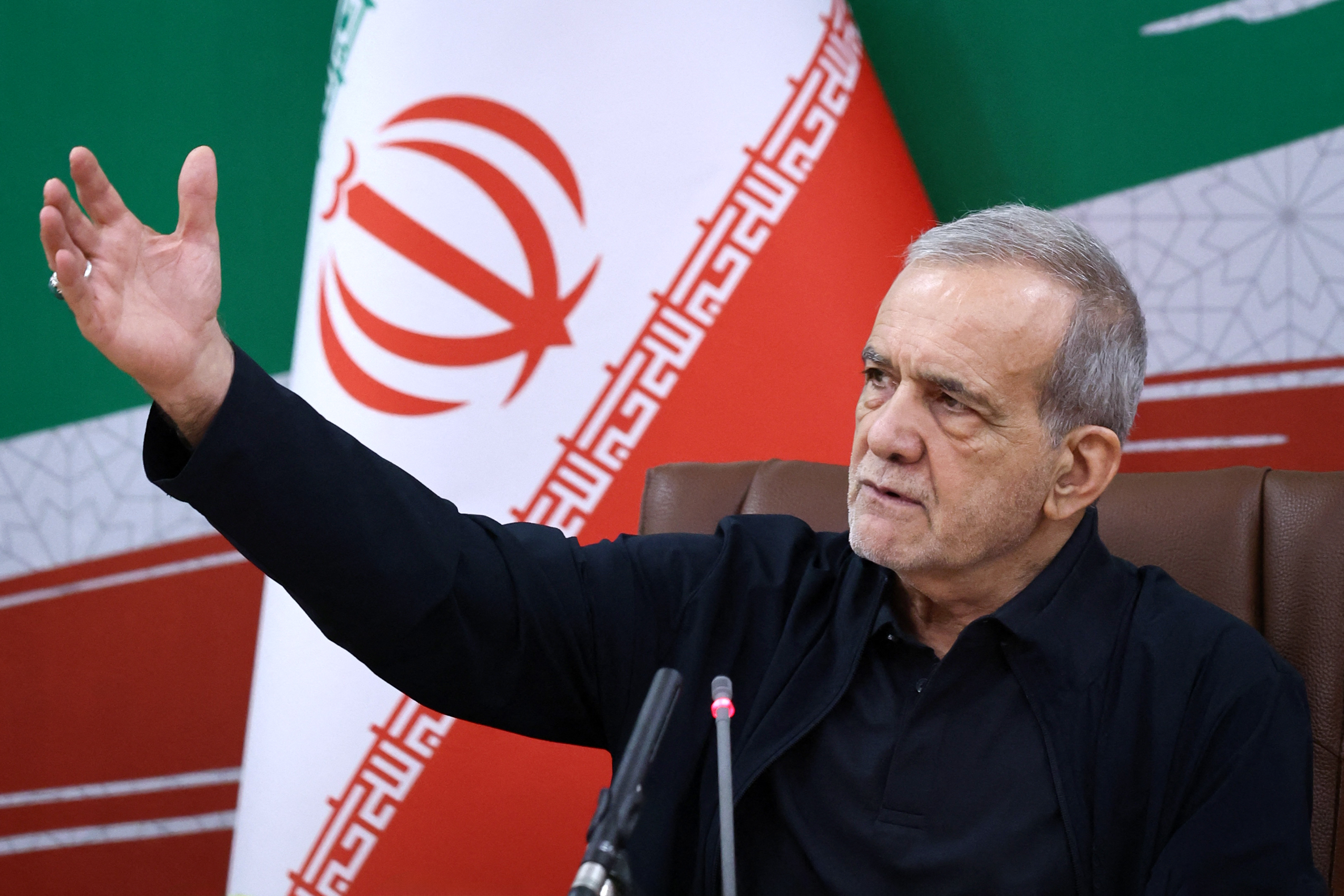
“Trump will not reach an agreement with us. We will put up with him until his term ends.” That recent quote was from Majid Shakeri, an advisor to Iran’s Parliament Speaker Mohammad Bagher Ghalibaf.
Tehran is signaling that it is not waiting for a better offer. It is waiting for January 20, 2029. While that posture is understandable, Iran may find that such a policy comes with unexpected downsides as other regional actors figure out their own relations with Iran.
Shakeri’s quote and the broader signaling by Iran are hardly surprising. They confirms what many, including The American Conservative’s senior editor Andrew Day, suspected after the launch of the U.S.-Israeli war on Iran in February 2026, the assassination of the influential moderate figure Ali Larijani, who had been secretary of Iran’s Supreme National Security Council, and the body’s subsequent reshuffle: Iran’s government has grown more hardline in its orientation toward the U.S.
Larijani’s successor, Mohammad Baqer Zolqadr, was recently dismissed and replaced by Mohsen Rezaei, a high-ranking veteran IRGC figure. Zolqadr was seen as close to Ghalibaf, who led the Iranian delegation in talks with Vice President J.D. Vance in Islamabad.
So, an advisor to the man who led negotiations now voices opposition to negotiations, and the man he advises has been knocked down a peg amid the rising prominence of an IRGC hardliner. That latter development was likely no accident. As reported by Amwaj Media, by removing Zolqadr, Supreme Leader Mojtaba Khamenei may have sought to curb Ghalibaf’s influence.
Obviously, the rhetorical adjustments reflect the shifting balance of power within the Iranian system. And the reshuffle does not seem to indicate any underlying turmoil or loss of competence and institutional memory. Rezaei, like Ghalibaf, is a figure with deep military experience and political ambitions, having unsuccessfully run for the presidency as a relatively pragmatic conservative .
Beyond the personnel reshuffles, however, lies a reality that transcends domestic politics. Shakeri may not be the most influential figure within the Iranian system, but he reflects a growing consensus in Tehran: There is no point in future negotiations with the Trump administration unless Iran’s non-negotiable conditions are first satisfied: economic relief, an end to the wider regional war—including threatening statements against Iran—and withdrawal of U.S. forces from the region. Until those terms are met, Zolqadr said this weekend, the Strait of Hormuz stays effectively closed.
The logic is brutally simple. Why would Iran rescue a president who started a war—twice—during active negotiations on the nuclear standoff? From Tehran’s perspective, the United States chose conflict over diplomacy. The administration escalated, miscalculated, and now finds itself stuck. None of the United States’ war aims have been achieved. The Iranian government remains in place and much emboldened, with its highly enriched uranium still under its control, and now also with control of the Strait of Hormuz, the world’s most critical energy trade chokepoint.
Iran certainly does not see itself as a defeated party, and its leadership is willing to inflict maximal costs and humiliation on Trump. Is it any wonder why, after the U.S., together with Israel, bombed the country, assassinating its political and military leaders and killing more than 1,000 civilians? Iranian leaders simply do not see it as their responsibility to provide Washington with a graceful off-ramp.
Iran’s decision to stiffen its negotiating posture, however, is not vengeance for its own sake. Tehran appears to have concluded that Washington is simply too dysfunctional to honor any agreements. The memorandum of understanding, signed with Pakistani and Qatari mediation, required the U.S. to remove sanctions and unfreeze Iranian assets. As Washington failed to fulfill these provisions, Tehran assessed that it had not acted in good faith and was using the ceasefire to replenish depleted stockpiles to relaunch the war. Tehran has come to see Washington as simply agreement-incapable—at least so long as Donald Trump occupies the White House.
So Iran will manage the process of “neither war nor peace,” as Shakeri has put it. The winning approach, in its view, is denial, ambiguity, and strategic patience—bleeding American political will while betting on a future president less mercurial than Trump.
Not everybody is convinced of the merits of this strategy. Mohammad Ali Shabani, a seasoned London-based Iran analyst, remarked that the former Supreme Leader Ali Khamenei’s own “no war, no deal” posture led to “war followed by a terrible deal.” Shabani mocked those who now “spin more limbo as a masterful scheme to force Trump’s hand.”
And this time, Iran may find itself in an even more vulnerable position—not only because of the U.S., but also because of regional powers. As long as there is no deal with Washington, Tehran will have to rely on its proxies and allies, such as the Houthis in Yemen and Shiite militias in Iraq, to keep inflicting costs on the world economy as leverage against the Trump administration.
Subscribe Today
Get daily emails in your inbox
But that risks incurring the hostility of other states. The closure of Bab-el-Mandeb to Saudi vessels by the Houthis, for instance, antagonizes Saudi Arabia, which is looking for new allies to help bolster its security. The Mecca Joint Defense Agreement—recently signed by Saudi Arabia, Pakistan, and Turkey—is conceived as a hedge against multiple sources of regional instability, including Israel. But it’s also built around protecting Saudi Arabia from Houthi missile and drone threats.
Iran may find that its budding strategy of waiting out the Trump administration, rather than striking a deal, leaves it more isolated in the Middle East. Its continued reliance on the Houthis as a pressure lever against the U.S. and Israel could complicate Iranian integration with the Mecca pact nations.
As other regional players lay the groundwork for a new Middle East, Tehran should be mindful of the ways that continued enmity with the U.S. could leave it isolated from its neighbors.