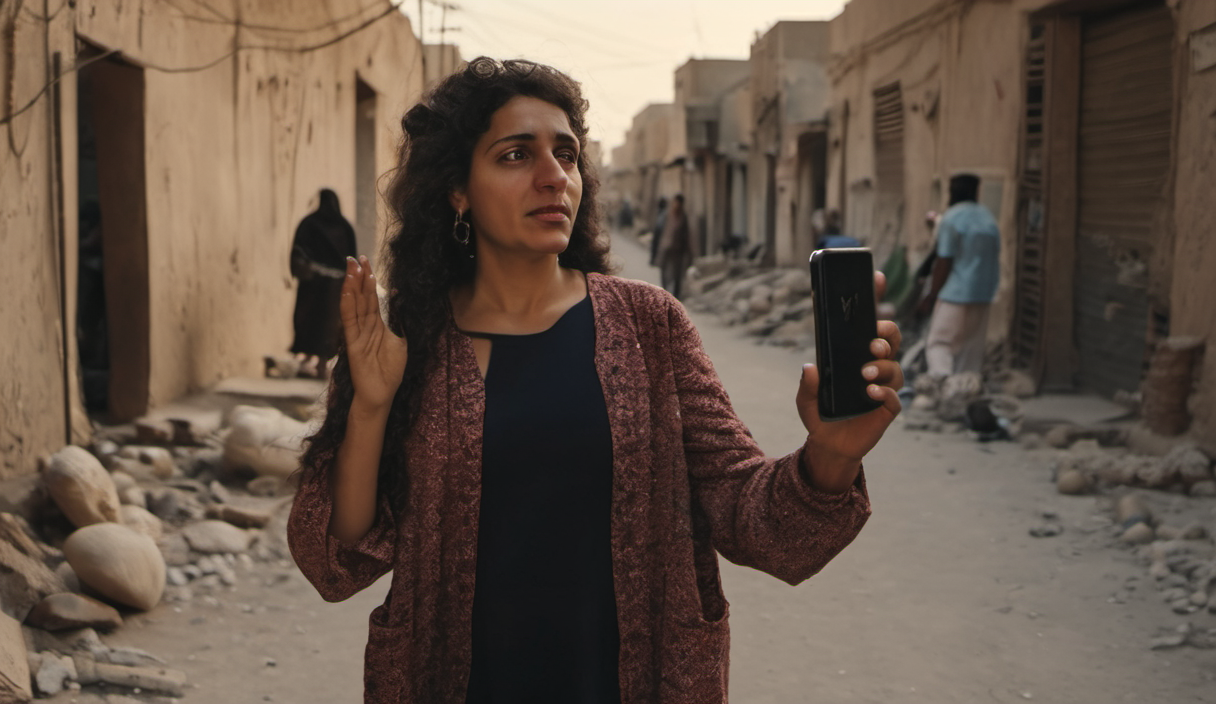
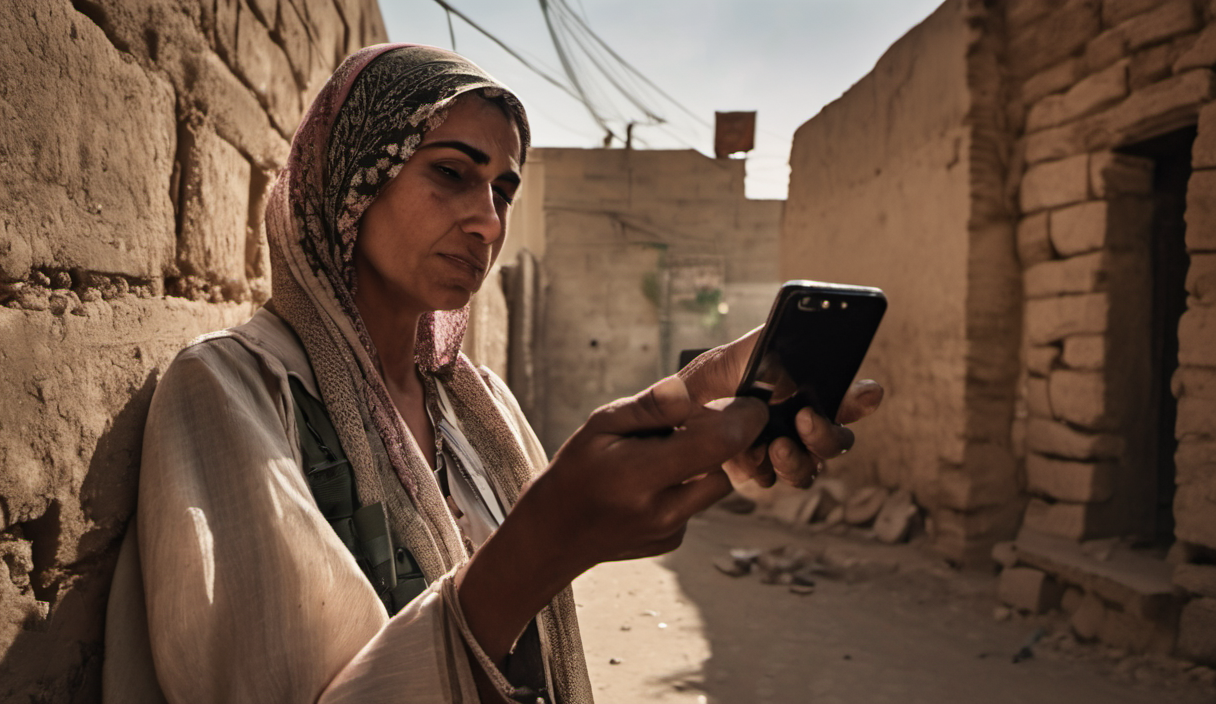
Featured image: A woman is standing on a street. AI-generated image; not a photograph of the reported event.
Women in Iraq are speaking out about sexual harassment and abuse, despite intense social pressure and real dangers. Source: bbc.co.uk.
Women Document Abuse with Phones
Sarah Jassim, an Iraqi women’s rights activist, posts videos of harassment on her Instagram page.
One video shows a woman confronting a man who exposed himself in a Baghdad street. The man resists her attempts to open the car door.
Jassim says, Your camera is your weapon
. The videos help document evidence for legal action or public shaming.
One such video led to the arrest of a policeman accused of harassing schoolgirls.
Personal Stories of Abuse and Isolation
Amal, a woman not using her real name, has fought a court case for about five years.
She accuses her ex-husband of repeatedly raping their daughter under 18 at gunpoint.
She recalls the daughter saying: No-one will hear you if I kill you
.
Amal showed medical and DNA evidence to support her claims.
Her ex-husband reportedly told a family member to wash off our disgrace
, a phrase linked to so-called honour killings.
He is still at large. The case remains open. Amal says she could not afford legal help and her family stayed silent.
Systemic Failures and Safety Risks
Many Iraqi women avoid reporting abuse due to fear of family backlash or social stigma.
Samira, another woman, says she has been followed in a car and had a porn movie shoved in her face on public transport.
When she reported it to police, they said they had no authority to act.
She does not share her experiences with her family, fearing they would tell her to stay home.
Activists Face Violence and Threats
Yanar Mohammed, a leading women’s rights advocate, was murdered outside her house in Baghdad by armed men. The perpetrators are still unknown.
She had received death threats and online abuse for years, experts say. Hanaa Edwar, another activist, says she saw Mohammed just two days before her death. She has also faced threats.
Experts say there are no laws or protections for women in Iraq. The justice system fails to listen to survivors.
Why This Matters
Sexual violence in Iraq is widespread and under-reported.
A UN committee on discrimination against women reported in May that it called for stronger legislation, including repealing laws that exonerate rapists if they marry victims or allow reduced sentences in so-called honour killings.
Survivors face long legal processes, lack of shelters, and no support networks. Only a few women’s shelters exist. Most are run by activists like Yanar Mohammed.
What to Watch Next
Legal reforms in Iraq may be slow. But women’s voices are growing, even when silenced by fear.
Activists like Sarah Jassim and Hanaa Edwar continue to share stories, refusing to give up.
As one says: If all of us are going to get scared, no-one will change anything
.
For support, visit the BBC Action Line. More on women’s rights in Iraq at the original source.
- Original BBC report
- Key facts: Harassment is common; legal action is difficult; activists face threats; shelters are scarce.
- Women report abuse but face social and legal barriers to speaking up.
Sexual violence in Iraq remains a hidden crisis. Survivors speak through videos and court cases, but the system often fails them.