A World Under Pressure
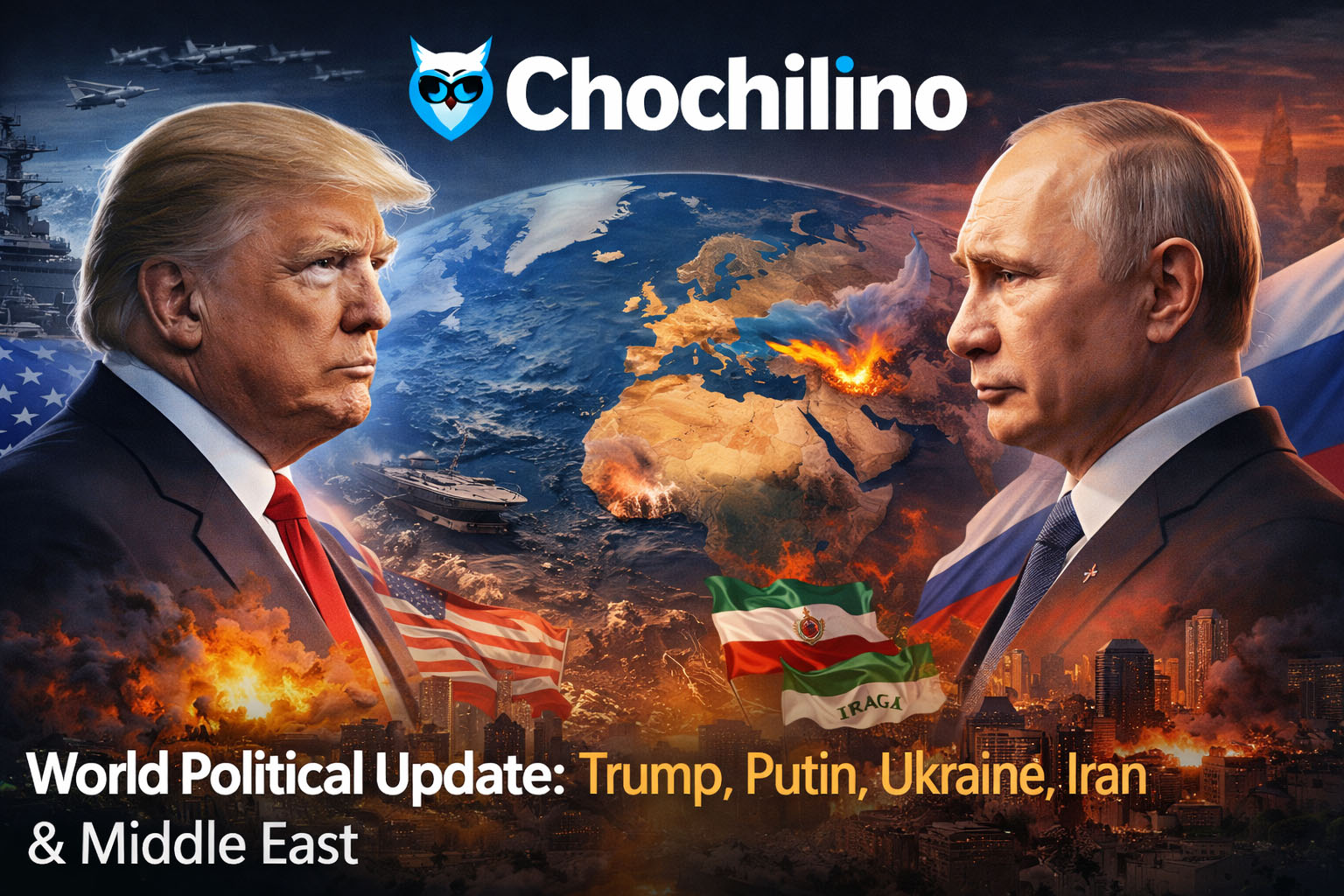
Between 19 and 24 January, global politics entered a period of heightened instability, marked by military pressure, diplomatic manoeuvring, and fragile negotiations. The actions of major powers — particularly the United States, Russia, and regional actors in the Middle East — continued to reshape the international balance.
This week highlighted how regional conflicts are increasingly interconnected, with decisions in one area rapidly influencing tensions elsewhere.
United States: Trump, Power Projection, and Diplomacy


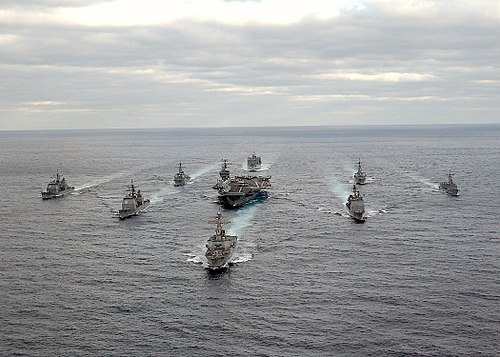

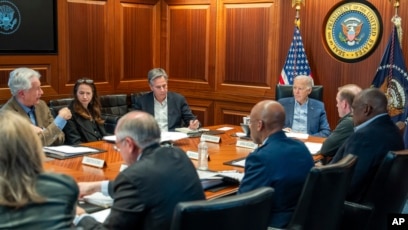
Former President Donald Trump remained a dominant global figure, using strong rhetoric and strategic signalling to assert U.S. influence.
Key Developments
- Emphasis on military deterrence as a tool of diplomacy
- Public messaging focused on strength, stability, and control
- Renewed pressure on allies to align with U.S. strategic priorities
Trump’s approach continues to divide opinion: supporters see decisive leadership, while critics warn of escalating global risk.
Russia and Ukraine: War, Winter, and Negotiations

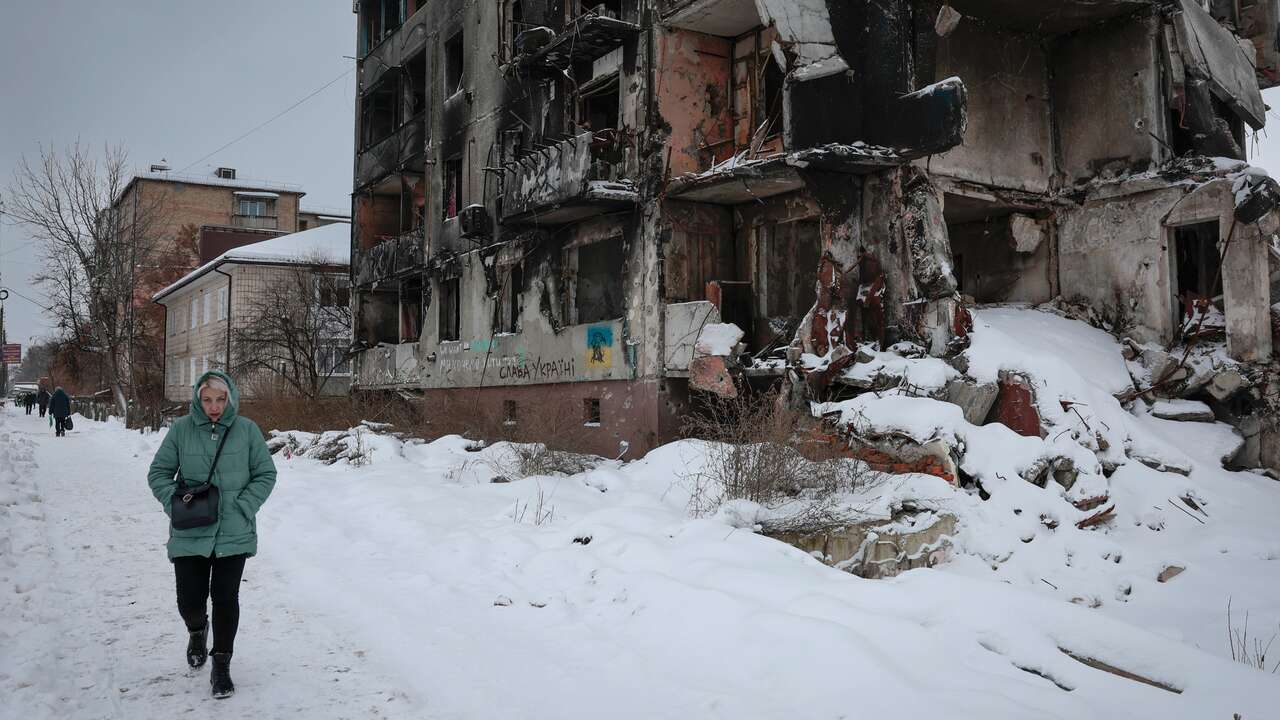


The war between Russia and Ukraine intensified during the week, despite diplomatic signals.
Situation on the Ground
- Continued strikes on energy and transport infrastructure
- Civilian hardship increased due to winter conditions
- Ukraine pushed for stronger international support
Moscow’s Position
President Vladimir Putin maintained firm strategic demands, signalling limited willingness to compromise while keeping diplomatic channels technically open.
The contrast between talks and battlefield reality remained stark.
Iran: Internal Pressure and External Warnings

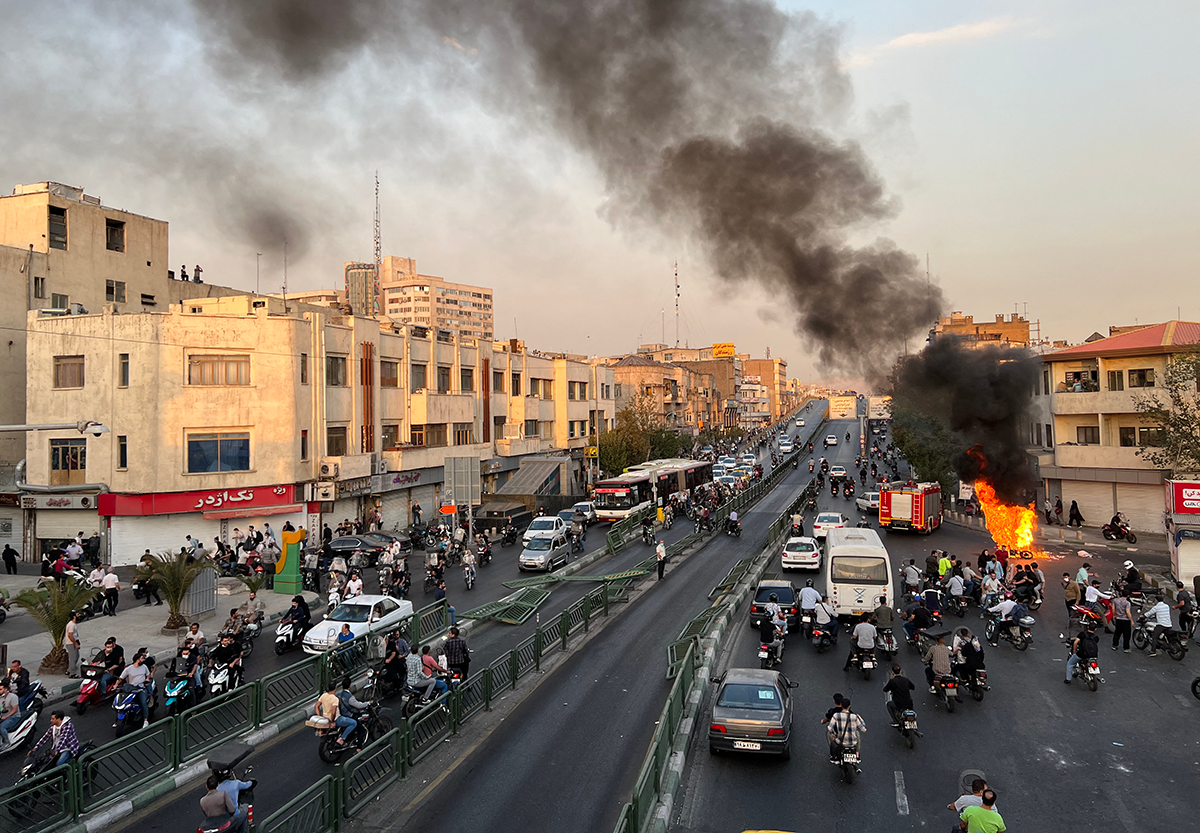

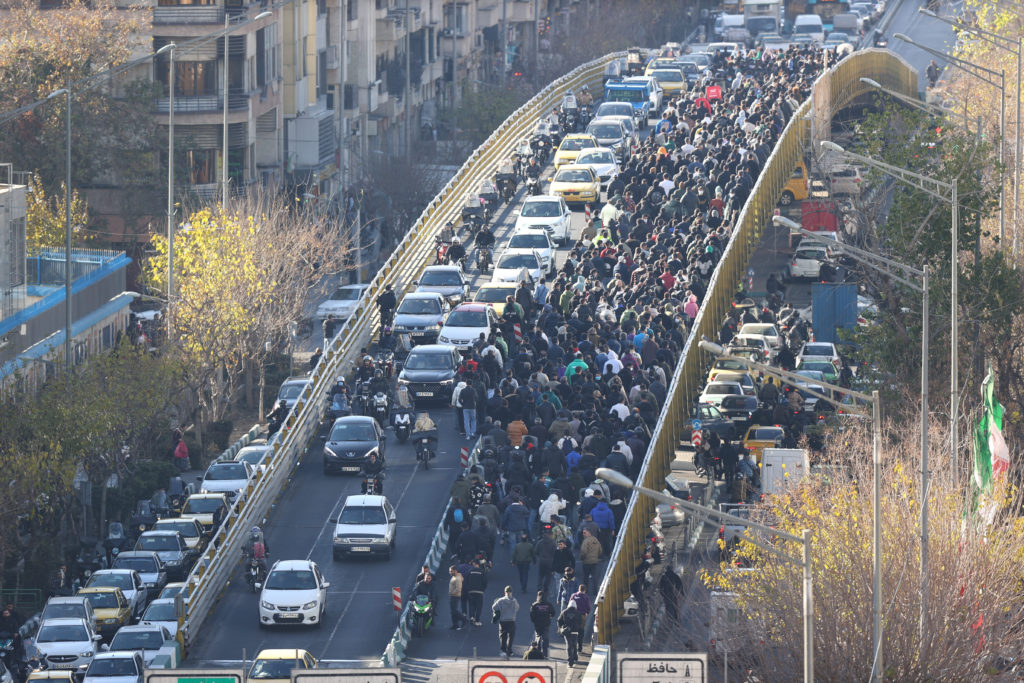

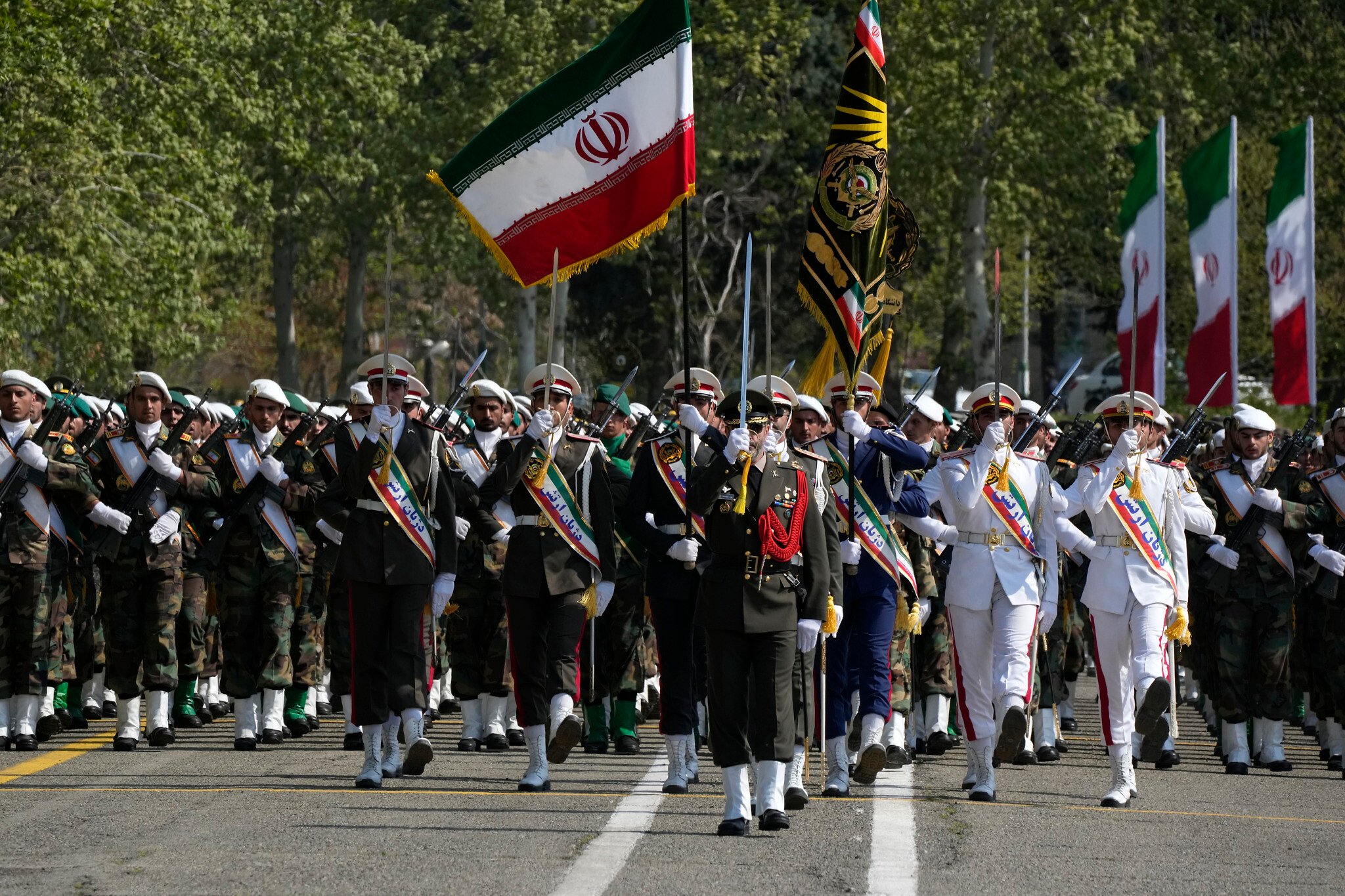
Iran faced mounting challenges on two fronts: internal unrest and international tension.
Inside Iran
- Economic pressure and public dissatisfaction continued
- Authorities tightened security measures
- Information controls intensified
External Tensions
Iranian leadership issued warnings toward Western powers, framing its actions as defensive sovereignty, while critics saw escalating regional risk.
Iraq: Shifting Alliances and Regional Impact


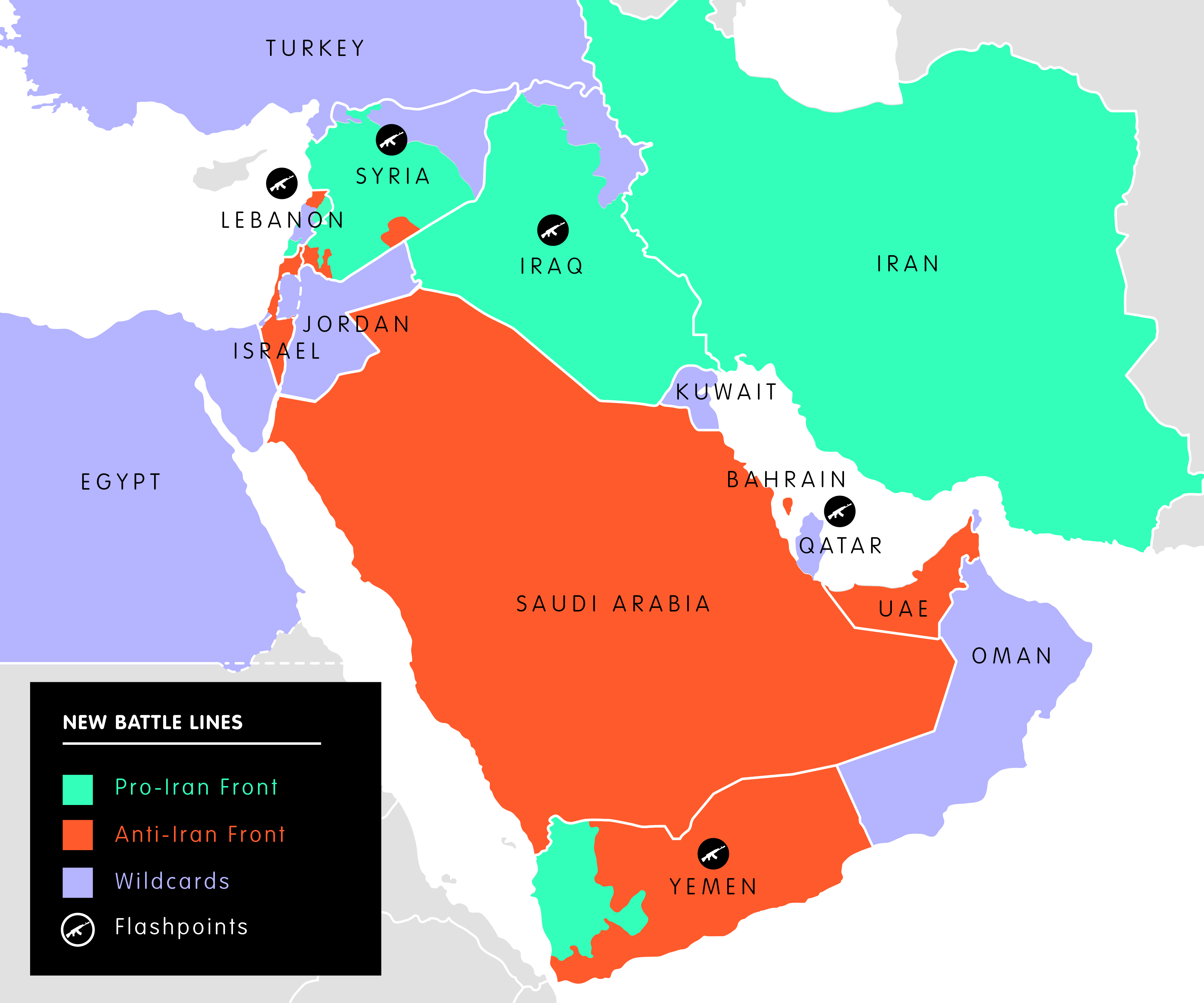
Iraq remained a strategic focal point in the Middle East.
Key Issues
- Reassessment of foreign military presence
- Balancing relations between Iran, the U.S., and regional actors
- Growing public demand for stability and services
Iraq’s decisions carry significant ripple effects across the region.
Middle East: Fragile Stability, High Stakes


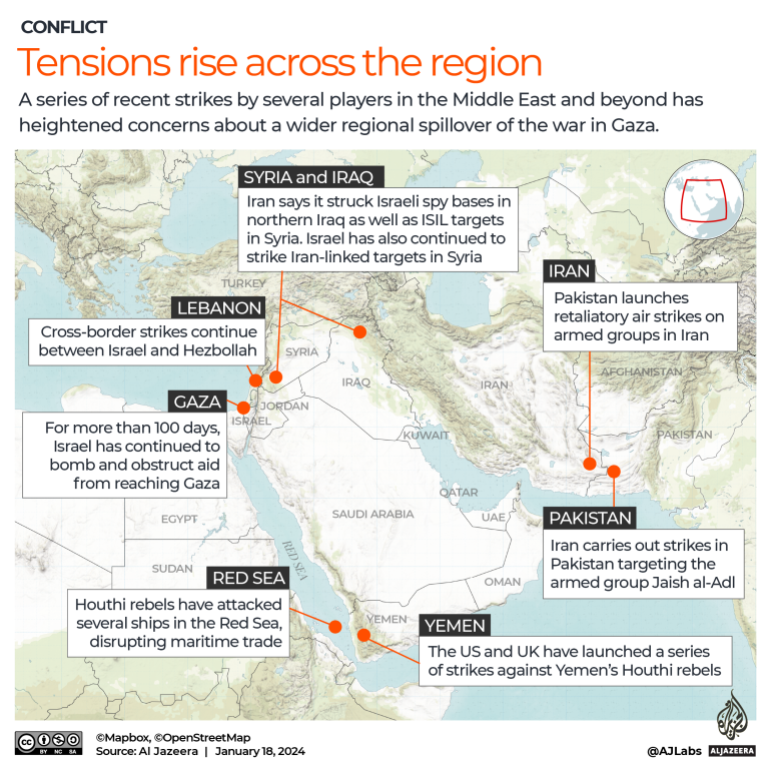


Across the Middle East, tensions remained high:
- Proxy conflicts and indirect confrontations continued
- Diplomatic efforts struggled to keep pace with events
- Energy security and trade routes stayed under close watch
The region remains one of the most sensitive pressure points in global politics.
Global Implications: Why This Week Matters
The developments of 19–24 January underline several critical trends:
- Military power remains central to diplomacy
- Conflicts are increasingly interconnected
- Economic stress fuels political instability
- Global trust in long-term peace frameworks is fragile
Markets, migration flows, and security policies are all influenced by these dynamics.
A Delicate Global Balance
The world political situation during this week showed no clear movement toward lasting stability, but rather a pattern of managed tension. While diplomacy continues, it operates alongside force, pressure, and uncertainty.
For citizens, governments, and businesses alike, understanding these dynamics is essential — because global politics today affects energy prices, security, investment, and daily life worldwide.